Male Breast Reduction
Dr. Miguel Delgado is a world-renowned gynecomastia expert in San Francisco. He has treated thousands of men and boys experiencing this condition, many of whom have traveled for surgery from outside the San Francisco Bay Area.
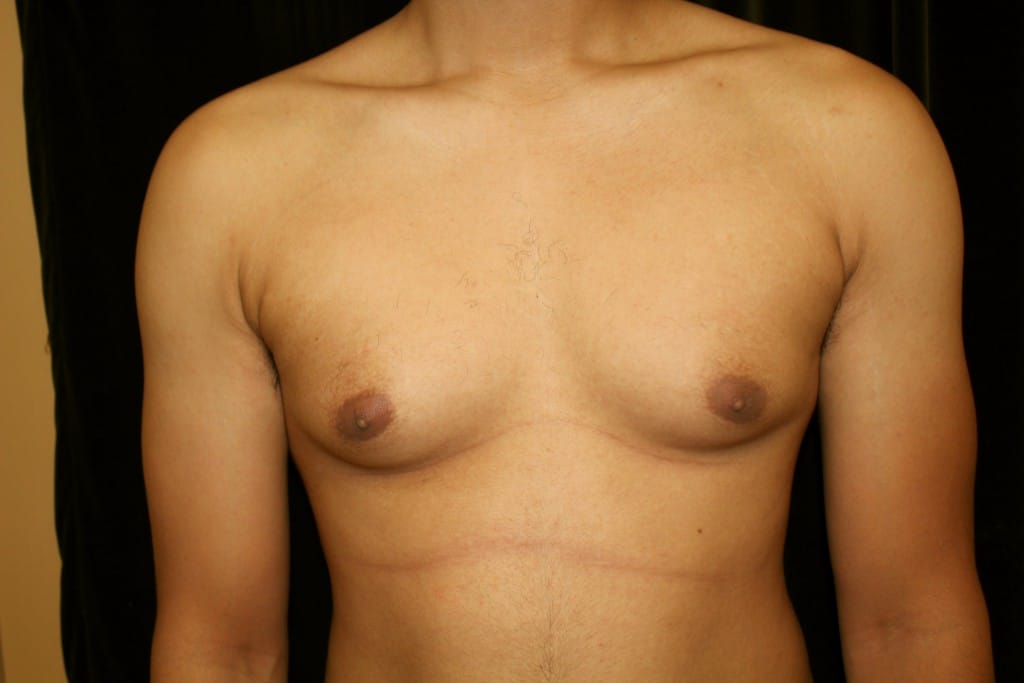
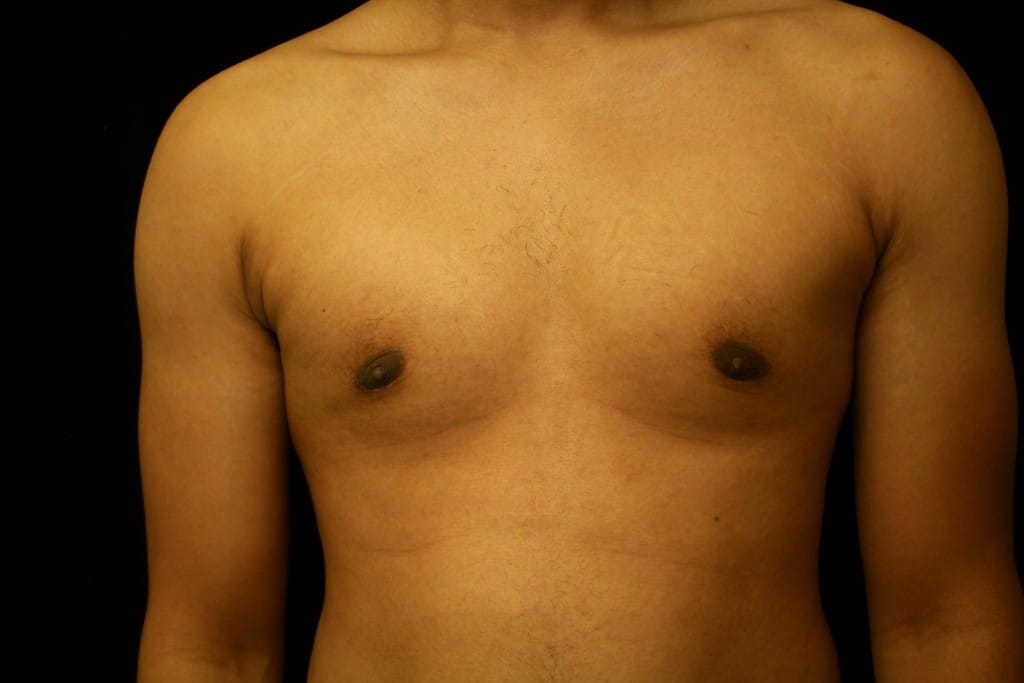
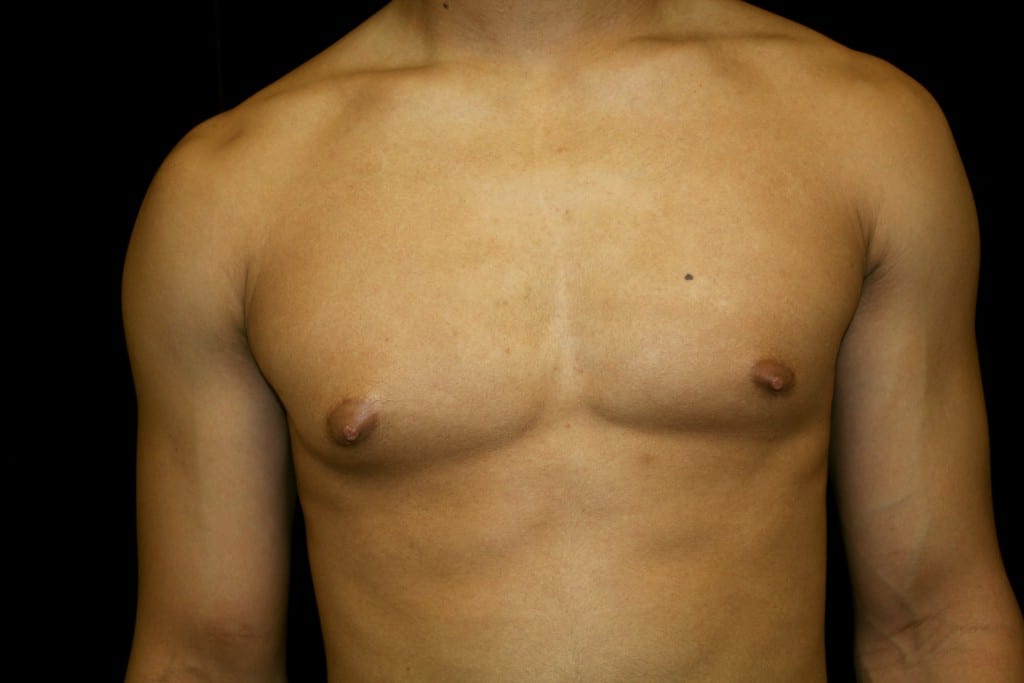
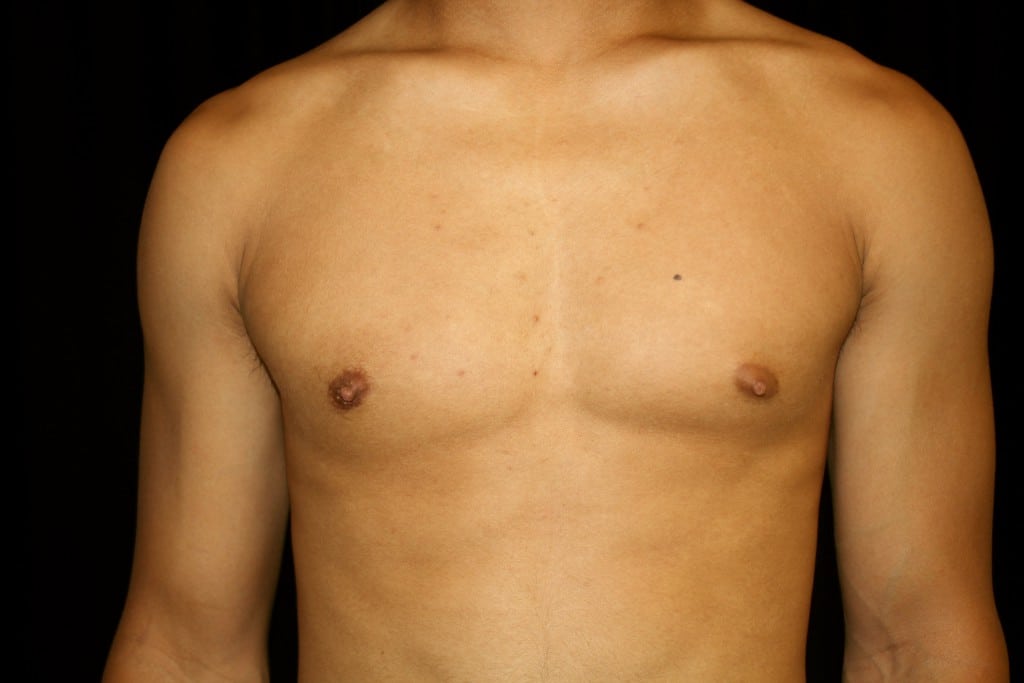
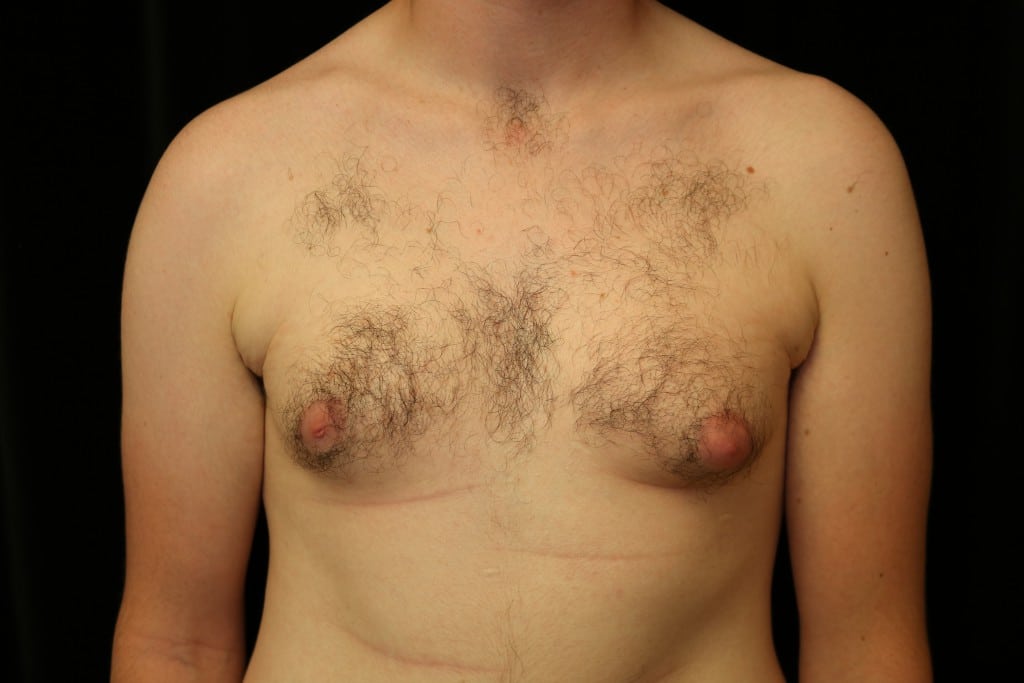
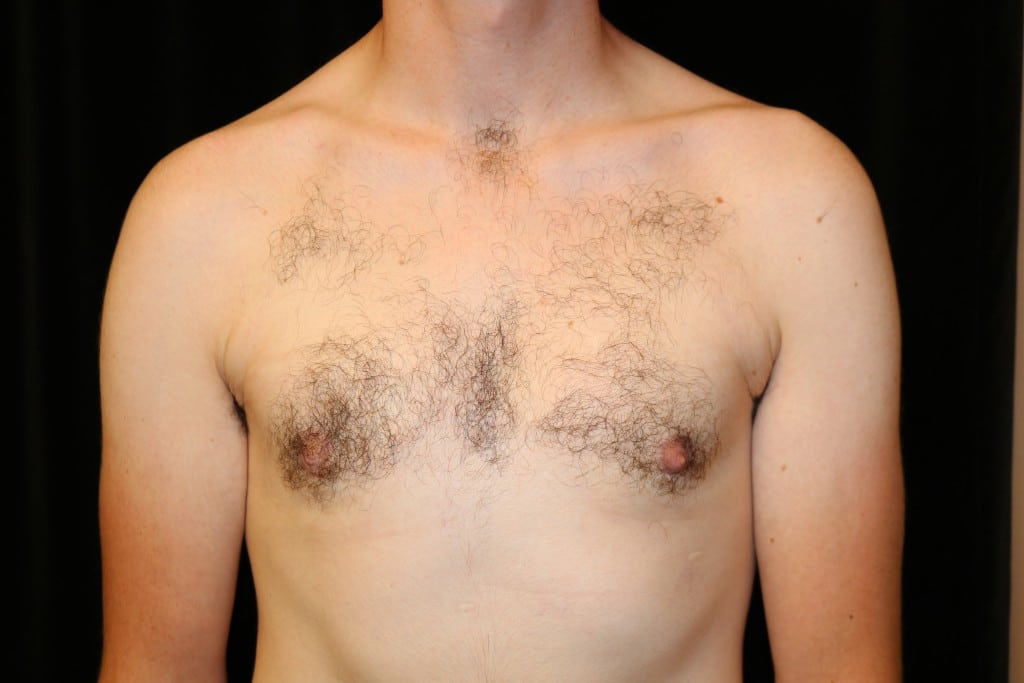
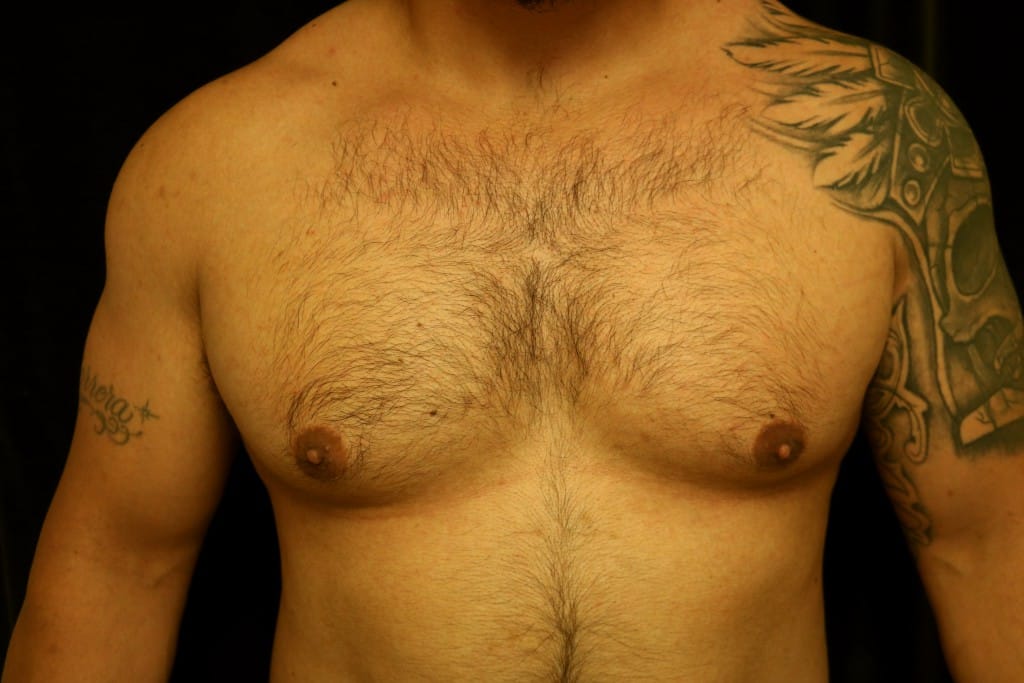
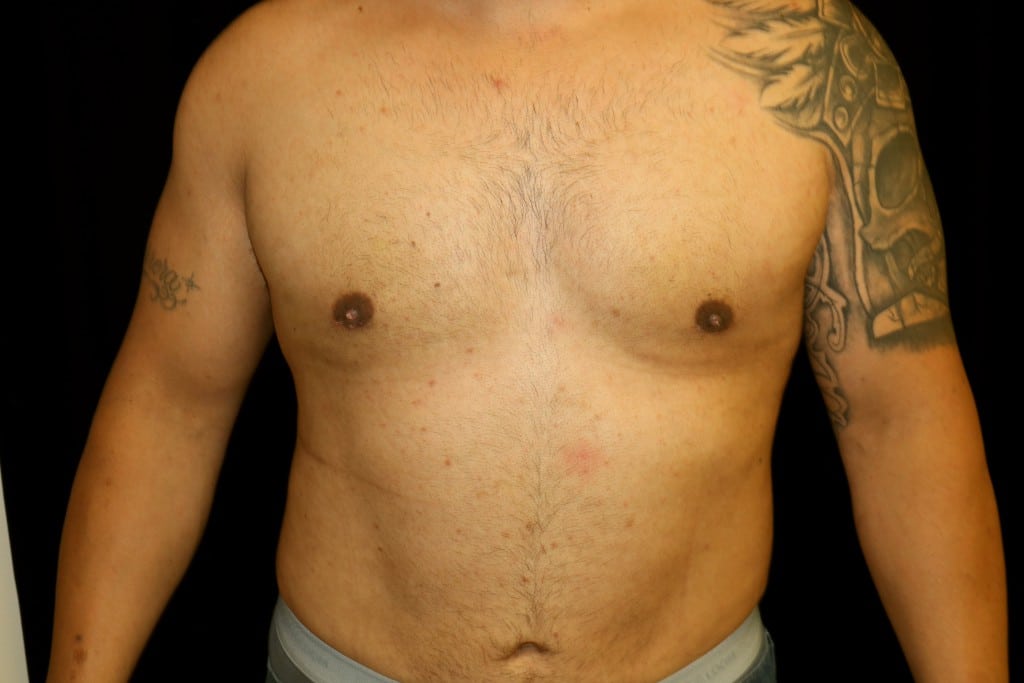
Gynecomastia, also known as male breast glandular tissue, is a condition characterized by excessive breast tissue growth in males. This condition is frequently the result of an imbalance in hormone levels, specifically estrogen, and testosterone, which leads to the enlargement or asymmetry of male breasts.
Certain medications, substances, and other factors can also contribute to the emergence of enlarged breast tissue in males. This condition, known as gynecomastia, affects approximately 50-65% of boys and men and can impact either one or both breasts. While hormonal changes may naturally resolve the issue, surgical intervention is often considered the most effective and lasting treatment option for gynecomastia.
Dr. Delgado specializes in gynecomastia surgery, also called male breast reduction. This procedure eliminates excess breast tissue and excess fatty tissue and leaves the male chest flatter, firmer, and better proportioned with the rest of the male figure.
Dr. Delgado, based in San Francisco, California, is an expert in performing gynecomastia surgery, also known as male breast reduction. This surgical procedure effectively removes excessive breast and fatty tissue, resulting in a flatter, firmer, and more balanced male chest appearance.
Along with breast tissue growth, common symptoms of gynecomastia include:
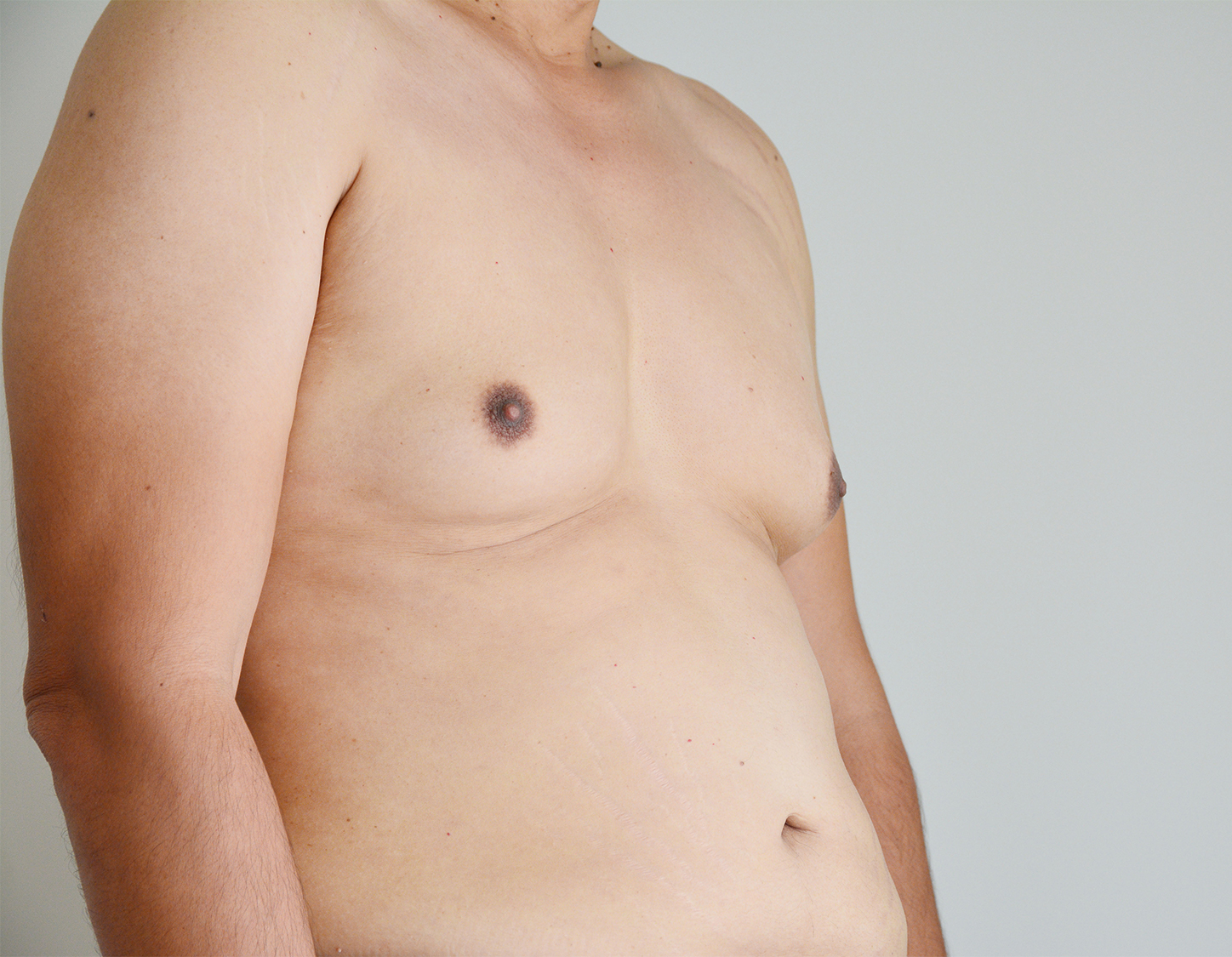
The benefits of male breast reduction surgery are as follows:

If you are dealing with male breast enlargement, a lack of confidence, or other concerns that are associated with gynecomastia, you may be an ideal candidate for gynecomastia surgery in Santa Rosa, Napa Valley, Novato, or San Francisco. Candidates should also meet the following requirements for this surgical treatment:


Dr. Miguel Delgado, a San Francisco plastic surgeon with board certification, is widely recognized as an expert in gynecomastia. He has successfully treated numerous individuals affected by this condition, attracting patients from all over the world seeking male breast reduction in San Francisco. In addition to assisting first-time patients with gynecomastia, a significant portion (40%) of Dr. Delgado’s practice involves performing revision surgeries for men dissatisfied with the results they obtained from other plastic surgery clinics.
Dr. Delgado additionally serves as the medical director for Gynecomastia.org, which is recognized as the most significant forum dedicated to Gynecomastia. His primary focus is to help men and boys search for treatment options for this particular condition. As an esteemed specialist in the field of gynecomastia, he has gained international recognition.
According to the San Francisco Magazine, Dr. Delgado earned the title of the best plastic surgeon in San Francisco. He received numerous positive reviews from his online patients and is highly regarded in the San Francisco Bay Area.
If you are interested in scheduling a consultation with Dr. Delgado to discover how to resolve your gynecomastia, please contact our practice online or by telephone today.
A+ Experience – the results are better than I had anticipated. I knew Dr. Delgado was the doctor I would choose for my Gynecomastia surgery from our first call. To keep it short and simple, you won’t regret it -Christoper Joe

Dr. Delgado has the uncanny ability to help you shed some years, but not in an artificial forced way. Rather, he facilitates the younger, healthier you emerge.
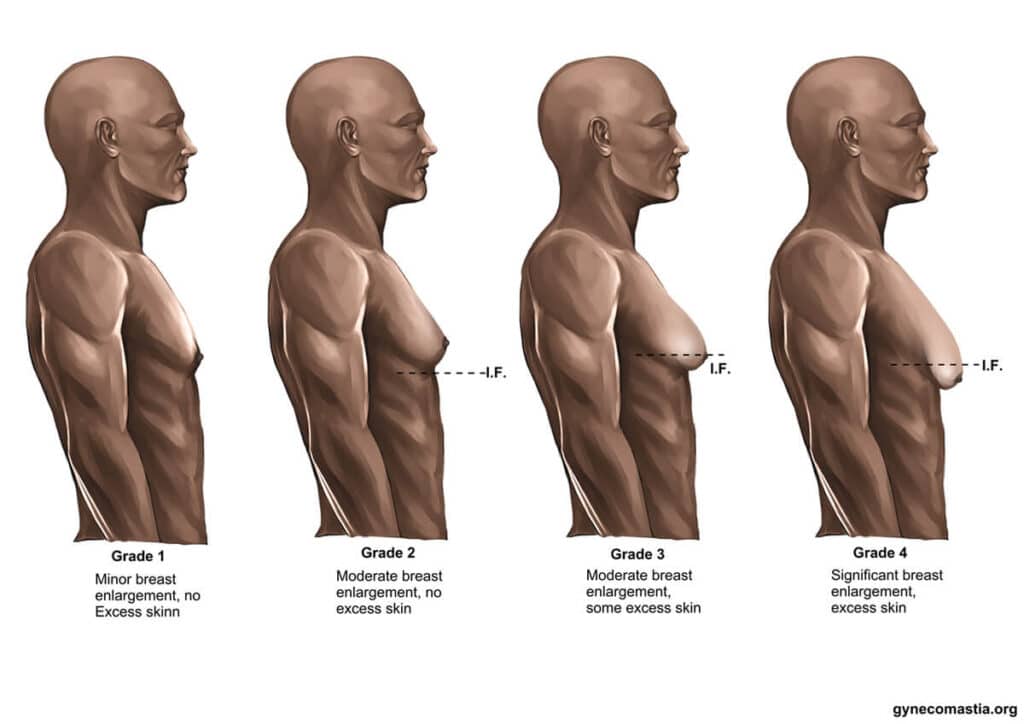
The American Society of Plastic Surgery (ASPS) has implemented a descriptive classification system for gynecomastia grades. This classification system allows plastic surgeons to discuss the condition and its treatment in a more standardized manner. Gynecomastia is divided into four grades based on the severity of glandular tissue enlargement. These grades are as follows:
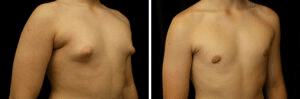
Gynecomastia Grade 1 gynecomastia is characterized by a slight enlargement of breast tissue, with a localized button of swollen, excess tissue directly beneath the nipple or in the surrounding areola. The color of this tissue may differ from the surrounding area. At grade 1, the condition is typically not noticeable when wearing clothing, but it can be quite apparent when not covered.
Grade one responds well to gland excision and liposuction, or the pull through procedure, which has a 5mm incision.
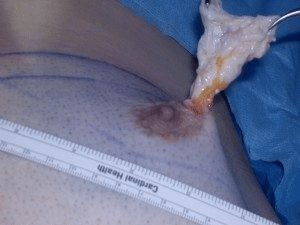
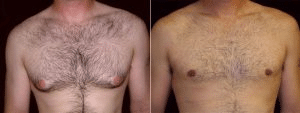
Grade 2 gynecomastia is characterized by a mild to moderate increase in the size of the breasts. The enlargement can extend to the width of the chest muscles, resulting in the appearance of small male breasts. This level of male breast enlargement can often be hidden when wearing loose-fitting clothing.
Grade 2 is typically addressed by direct removal of the gland and liposuction. This procedure is considered the standard approach for male breast reduction. It is known to yield exceptional outcomes, often resulting in high levels of patient satisfaction.
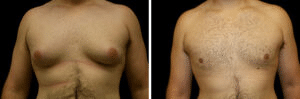
Grade 3 gynecomastia is characterized by a moderate to substantial increase in breast size, resulting in the widening of the chest and excess skin. At this stage, the swelling of breast tissue is considered moderate to severe, making it highly noticeable and commonly referred to as “man boobs.” Men who opt for male breast reduction surgery in grade 3 often experience enhanced confidence and improved quality of life. However, it is important to note that the surgical procedure becomes more complex when dealing with significant breast enlargement in this category.
Treatment of grade 3 involves the removal of the glands and liposuction. In certain instances, there may be a need to eliminate excess skin. This can be done through either a two-stage procedure or a double incision mastectomy. The first stage of the two-stage procedure involves removing the glands and liposuction. The second stage is performed four months later, during which a circular section of skin around the areola is removed and the outer skin is tightened by closing it with a purse-string technique. In other cases where the amount of skin is significant, a mastectomy is performed, along with free nipple graft surgery.
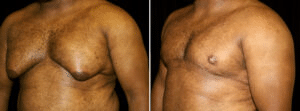
Grade 4 gynecomastia is character by an excess of loose skin that resembles drooping female breasts. This level of gynecomastia is considered severe and easily noticeable, even when wearing clothing. The psychological and social impact on men with grade 4 gynecomastia can be significant, as they may feel self-conscious about their feminine-looking chest. Thankfully, surgery can greatly benefit these individuals by removing the surplus tissue and skin, resulting in a more masculine chest appearance.
The most effective treatment for grade 4 male breast enlargement is a double incision mastectomy with a free-nipple graft. Men are highly satisfied with the results achieved through this procedure.
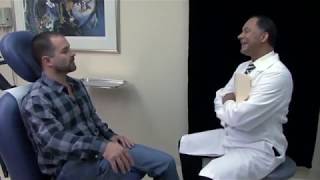
Dr. Delgado discusses Gynecomastia.
Your male breast reduction surgery in San Francisco will remove either excess breast tissue with or glandular breast tissue with excision. In some cases, both will be done. If necessary, the areola will be reduced or the nipple may be repositioned to create a natural male contour. Depending on which type of gynecomastia you have, your procedure may vary.
Because man boobs can affect males of all ages, it can also be broken down further into prepubertal, adolescent, and adult gynecomastia. Dr. Delgado provides solutions for males of all ages who develop gynecomastia and seek long-term results.
Dr. Delgado also provides revision gynecomastia in San Francisco for those who are not satisfied with the work of a previous surgeon. This comprises forty percent of his male breast reduction practice.

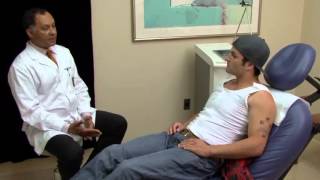
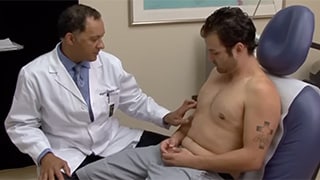
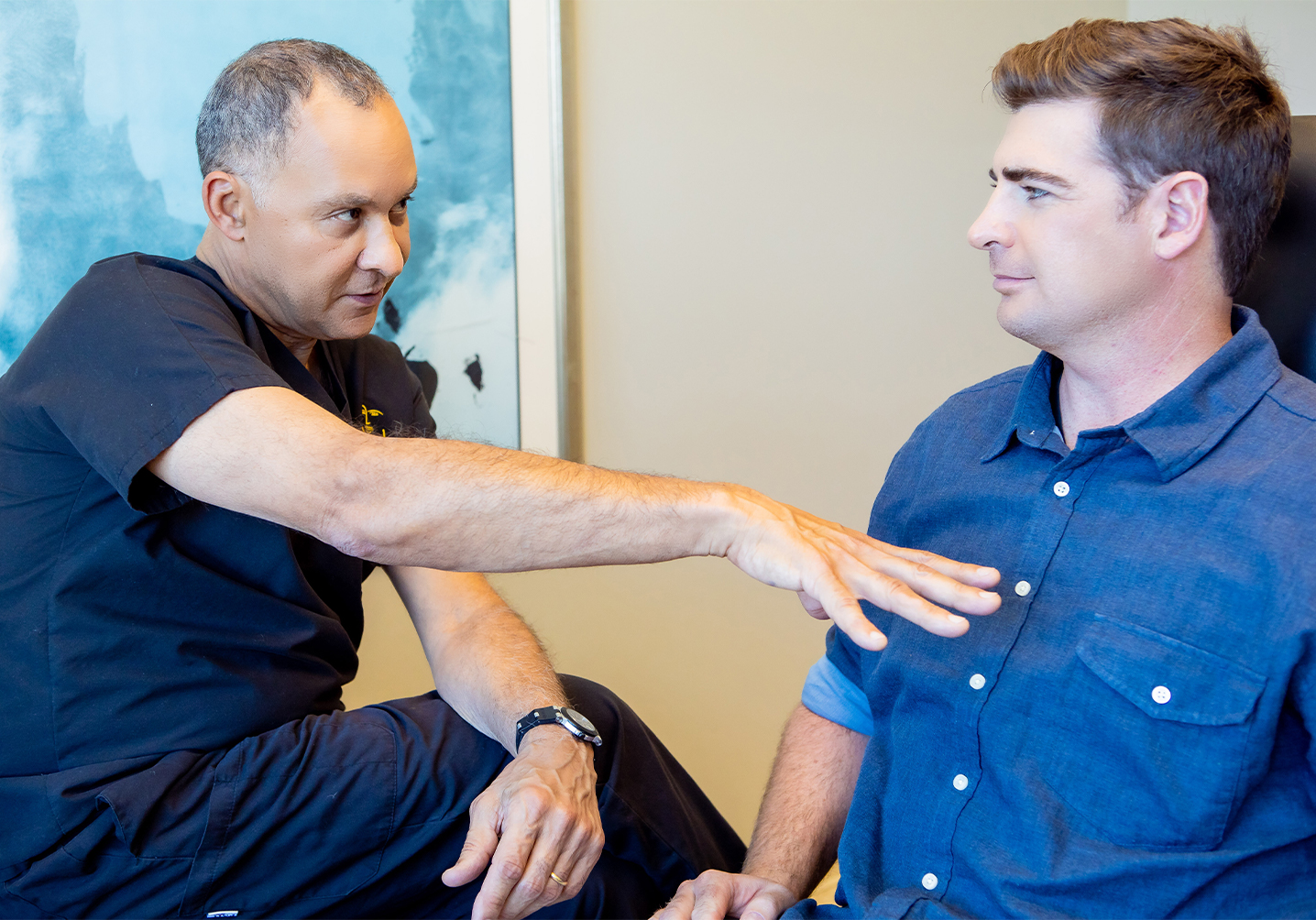
During your surgery consultation with Dr. Delgado, he will perform a physical exam and talk with you about the best ways to prepare for your surgery. He will ask you to stop smoking and stop taking any blood-thinning medications or supplements, such as aspirin or Vitamin E.
This consultation is also necessary to provide all the information Dr. Delgado requests. You can get any questions answered during your consultation and be walked through the surgical procedure and details by Dr. Delgado, who takes the time to ensure every patient is fully prepared and ready for gynecomastia surgery in Novato.
Before your surgery, please arrange for someone to drive you to and from our practice and to stay with you to help care for you after your outpatient procedure.
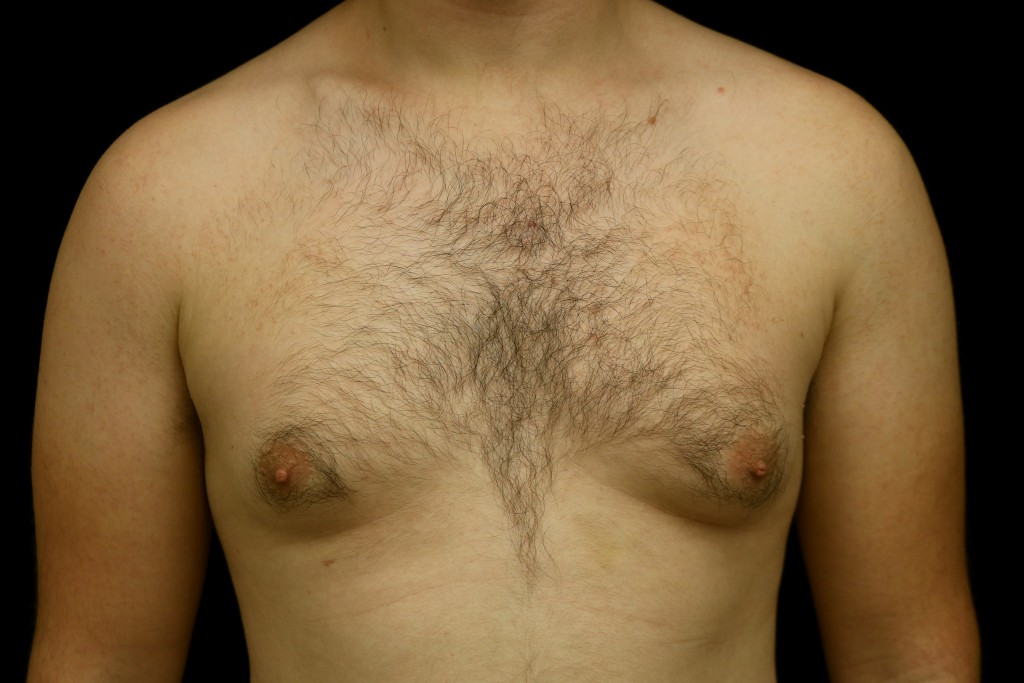
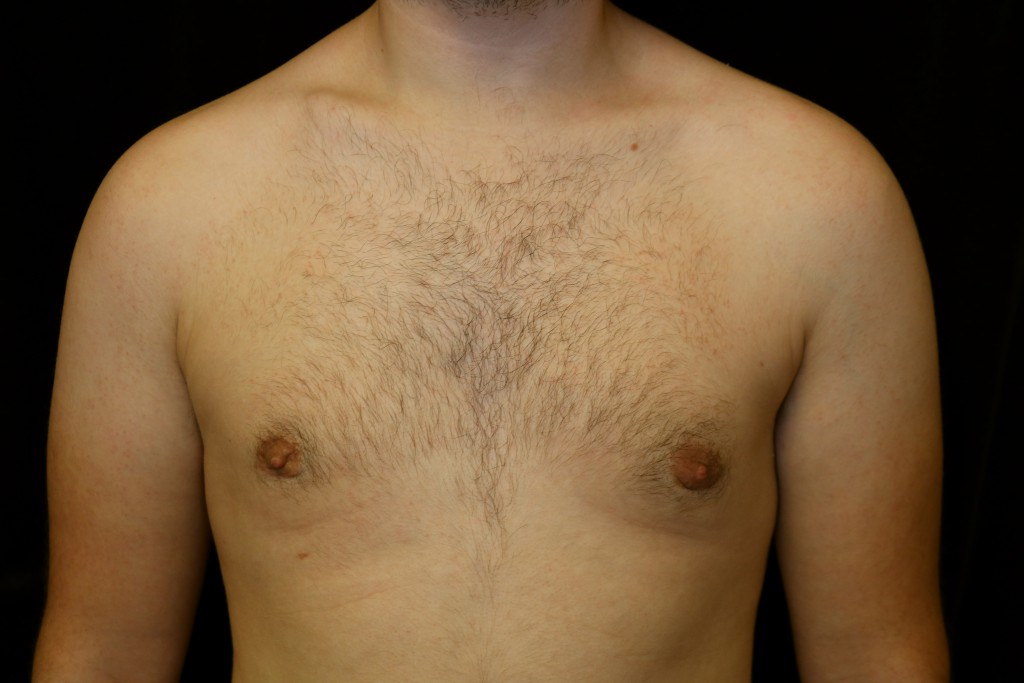
After gynecomastia surgery in San Francisco, you will be bandaged and wear a compression vest for six weeks. This will help minimize swelling, and support your new chest contour during the healing process. You will also have a surgical drain to help fluid and blood drain from the area.
You will feel sore during the first few days, but the pain should not be too significant. You might experience a temporary loss of sensation in the nipples. For most patients, full sensation is gradually restored over a few months.
Most patients can return to light or sedentary work in about a week. Exercise can resume in 4-6 weeks. Swelling will continue to go down as you recover, and you should be fully healed in about six weeks.
WILL I HAVE SCARS AFTER GYNECOMASTIA?
WILL NIPPLE SENSATION BE AFFECTED?
HOW LONG WILL MY RESULTS LAST?
HOW MUCH DOES GYNECOMASTIA SURGERY COST?
CAN GYNECOMASTIA CAUSE BREAST CANCER?
DOES ESTROGEN EXCESS CAUSE GYNECOMASTIA?
IS THERE A WAY TO TREAT GYNECOMASTIA WITHOUT SURGERY?
ARE THERE ANY AGE REQUIREMENTS?
ARE THERE ANY EXERCISES I CAN DO TO TREAT MY GYNECOMASTIA?
ARE THERE ANY RISKS WITH GYNECOMASTIA SURGERY?
Skilled plastic surgeons like Dr. Delgado use specialized techniques to ensure that scars from male breast reduction surgery are discreetly positioned in the lower area of the areola, reducing their visibility. He achieves this by making a small incision at the base of the nipple areolar complex, resulting in an inconspicuous outcome.
It is possible to experience a change or reduction in nipple sensation, although permanent loss is uncommon. Typically, sensitivity decreases temporarily after surgery due to tissue swelling, but usually returns as the healing process progresses.
The outcome is long-lasting. The gland is entirely eliminated, while there will still be some fat in the chest region for shaping purposes. This fat may vary with weight gain and hormonal changes as you grow older, along with the quality of the skin.
The cost of gynecomastia surgery varies for each patient, depending on the intricacy and duration of the procedure. The price fluctuates based on the severity of gynecomastia, graded from 1 to 4, with 4 indicating the most extreme case involving surplus skin. This does not include the facility fee or the anesthesiologist if general anesthesia is used. You will receive a personal price quote for your gynecomastia surgery during your consultation with Dr. Delgado.
There is a slight possibility that gynecomastia could slightly elevate the likelihood of male breast cancer. Nevertheless, the risk of developing breast cancer for most men, even in the absence of gynecomastia, is exceedingly low.
Excessive levels of estrogen, the hormone found in females, or a decrease in the production of testosterone, the hormone found in males, can potentially lead to the emergence of gynecomastia. This particular type of gyno is referred to as adolescent gynecomastia, and it typically develops during puberty. The condition resolves within two years for 90% of boys, while 10% may continue to experience it into adulthood.
Surgery is necessary for true gynecomastia. In certain instances, hormone therapies may also help reduce breast sensitivity and minimal gland size reduction.
Gynecomastia can be performed once you are at least two years after puberty. After this time, the breast tissue will not resolve. If there is a significant physical, psychological, and social issue with a young man, surgery may be considered with discussion with the pediatrician and endocrinologist.
No, true gynecomastia is due to growth of breast tissue. However, if the condition is partly caused by excess fat, we recommend cardio and chest exercises, such as a rowing machine or swimming. This can reduce the bulk of the fat content.
Aside from usual surgical risks, the most common complication is an accumulation of fluid in the wound. Some loss of nipple sensation may occur.

San Francisco is one of the foremost centers of science, technology, and the arts in the United States. The Exploratorium is one of its many museums dedicated to learning, founded in 1969 by famous physicist Frank Oppenheimer. It offers several galleries dedicated to hands-on science education, and also has an expansive website of over 50,000 pages with more information, exhibits, and webcasts. The Exploratorium is located just one and a half miles from the practice of Dr. Miguel Delgado on Pier 15 along the San Francisco Bay. It’s also located 28 miles from Dr. Delgado’s secondary office in Novato, Marin County. Other places of interest: Golden Gate Bridge · PIER 39 · Golden Gate Park · Ghirardelli Square · The Presidio · The Ferry Building · Lombard Street. Alcatraz, and many more.
Accessibility: If you are vision-impaired or have some other impairment covered by the Americans with Disabilities Act or a similar law, and you wish to discuss potential accommodations related to using this website, please contact our Accessibility Manager at 415.898.4161.