
12 Min Read
- What Is Capsular Contracture and Scar Tissue?
- What Are the Symptoms of Capsular Contracture?
- What Is the Treatment for Capsular Contracture?
- What Increases the Risk of Capsular Contracture Recurrence?
- How Can You Minimize the Risk of Capsular Contracture?
- Want Excellent Breast Augmentation Results in San Francisco?
- FAQ'S
- How likely is it to get capsular contracture?
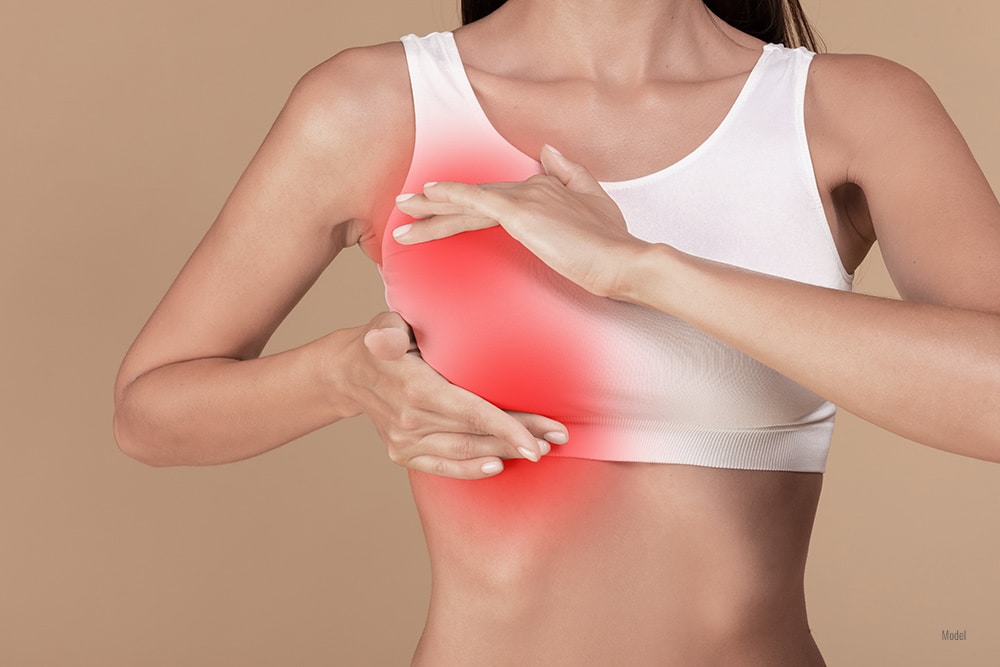
If you’re asking, “do I have capsular contracture,” and you have breast implants, increased firmness, breast shape distortion, discomfort, or implant shifting can be signs of capsular contracture—a breast implant complication in which scar tissue around the implant tightens and thickens abnormally. For people with breast implants or anyone concerned about symptoms after breast augmentation, this blog explains what capsular contracture is, the signs to watch for, how it is diagnosed, treatment options including non-surgical and surgical care, the risk of recurrence, and ways to lower that risk. Because capsular contracture can affect comfort, breast appearance, and implant position, recognizing it early can help you get the right evaluation and treatment sooner.
6 Min Read:
What Is Capsular Contracture and Scar Tissue?
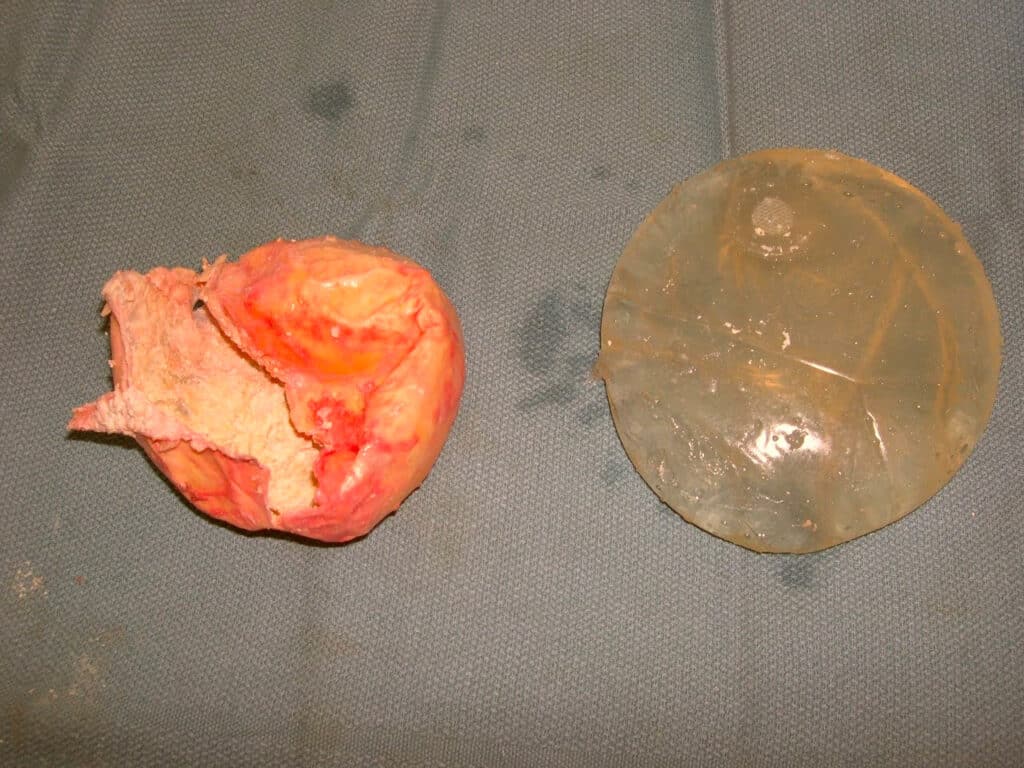
One of the most frustrating things about any life situation is the first inkling that something has gone wrong. Normally, after a breast augmentation, the body naturally responds to an implant by forming a soft layer of scar tissue, known as a capsule, around the foreign object as part of the healing process; capsular contracture affects about 5% to 15% of breast augmentation patients. This capsule is usually thin and pliable, helping to hold the implant in place without causing any noticeable changes. However, in cases of capsular contracture, this capsule thickens and tightens excessively, squeezing the implant, and it can develop weeks to years after implant surgery.
Capsular contracture can develop weeks to years after implant surgery. Signs include abnormal firmness, breast shape distortion, increased tightness, pain, and noticeable asymmetry. A breast may feel unusually hard compared to the initial healing phase. Changes in breast shape can also indicate capsular contracture.
Causes of Capsular Contracture
The exact cause of capsular contracture is not completely understood, but some patients experience capsular contracture as part of the body’s response to a foreign body implant, with the immune system contributing to fibrous scar tissue around it; possible factors include bacterial contamination, hematoma (a collection of blood), inflammation around the implant, and genetics, which may place some patients at higher risk of developing capsular contracture.
The severity of capsular contracture, sometimes called capsular contraction, is often classified using the Baker grading system, which ranges from Grade I (breast is soft and appears normal) to Grade IV (breast is hard, painful, and appears abnormal). The severity of capsular contracture is rated using the Baker grading system: Grade I is normal with soft and natural appearance; Grade II is slightly firm but still looks normal; Grade III is firm and visibly distorted with some pain; Grade IV is hard, painful, and severely distorted.
What Are the Symptoms of Capsular Contracture?
Early recognition of capsular contracture symptoms can help breast augmentation patients and their doctors manage the condition more effectively. Symptoms typically develop gradually, and early symptoms can begin three to six months after surgery, though timing varies by patient. Here are some common signs to watch for:
Firmness and Hardness
One of the primary symptoms of capsular contracture is increasing firmness or hardness of the breast as scar tissue around the implant becomes thicker, tighter, and firmer. The breast may feel distinctly different from the other breast or from its previous state, and abnormal firmness is one of the hallmark signs of the condition, often along with breast shape distortion. Another concern for individuals with breast implants is the potential for complications related to silicone implant leak warning signs. A leak can lead to further changes in breast shape and texture, emphasizing the importance of regular check-ups with a healthcare professional. Monitoring for any unusual symptoms is crucial to ensuring timely intervention and maintaining overall breast health.
Distortion in Shape
Capsular contracture can cause visible changes in breast shape, often along with increased tightness. The breast may appear more rounded, misshapen, or unnaturally high on the chest. The implant might look as if it is being squeezed, leading to an uneven or distorted appearance and noticeable asymmetry between the breasts.
Discomfort
As the scar tissue tightens, it can cause physical discomfort ranging from mild discomfort to severe pain, often worsening with activities that involve the chest muscles, such as lifting or exercising.
Changes in Breast Implant Position
The tightening capsule can also cause the implant to shift position. It may move higher on the chest or become displaced to one side, further contributing to an asymmetrical appearance.
If you are experiencing signs or symptoms indicative of capsular contracture, call your surgeon immediately to schedule an exam. A CT or MRI scan may be necessary to accurately diagnose capsular contracture.
What Is the Treatment for Capsular Contracture?
Options to treat capsular contracture vary depending on severity, timing, and whether infection is suspected. Common treatment options include surgery, non-surgical care, or careful monitoring based on each patient’s specific circumstances. Prompt medical attention is important if there are signs of infection.
Non-Surgical Treatments
Non-surgical treatments might be recommended in some cases, including:
- Medications: Anti-inflammatory medications or drugs like leukotriene inhibitors can help reduce inflammation and soften the capsule in mild cases of capsular contracture.
- Massage and Physical Therapy: Gentle breast massages or physical therapy techniques might help in the early stages to maintain capsule flexibility and reduce tightness.
- Ultrasound Therapy: Therapeutic ultrasound, Aspen therapy, or the Aspen Rehabilitation Technique can sometimes help soften the scar tissue and improve symptoms without incisions. In some cases of capsular contracture, this noninvasive, ultrasound-based option may help some patients avoid revision surgery.
Surgical Treatments
When non-surgical options are ineffective, surgery might be necessary. Surgical treatments include:
- Capsulectomy: This procedure involves the complete removal of the thickened capsule around the implant. The implant may be replaced or reinserted after the capsule is removed.
- Capsulotomy: In a capsulotomy, the surgeon makes incisions in the scar tissue to release the tightness and allow the implant to assume a more natural position. This can be done either open (through a surgical incision) or closed (using external manipulation).
- Implant Replacement: Sometimes, revision surgery, which involves removing the affected implant and replacing it with a new one, can help address the issue. Surgeons might use a different type of implant or placement technique to reduce the risk of recurrence.
What Increases the Risk of Capsular Contracture Recurrence?
While treatment can effectively address capsular contracture, there is always a risk of it returning. Studies show varying recurrence rates, but the risk is generally considered significant. Several factors can influence the likelihood of capsular contracture returning:
Previous History
- If you have experienced capsular contracture before, the chances of it happening again are higher.
- Some patients are also more prone to recurrence because of genetics or prior complications.
Type of Implant
- The type of implant (silicone vs. saline) and its surface texture (smooth vs. textured) can impact the likelihood of recurrence.
- Some studies show that textured implants can lower the risk of capsular contracture.
Placement of Implant
- Implants placed under the muscle (submuscular) tend to have a lower risk of capsular contracture than those placed above the muscle (subglandular).
Surgical Technique
- The skill and technique used by the surgeon can also play a role in minimizing the risk of capsular contracture recurrence.
- Proper surgical techniques that reduce contamination and tissue trauma are crucial.
- Reducing exposure to skin flora, including staph bacteria, is one way surgeons try to prevent capsular contracture recurrence.
How Can You Minimize the Risk of Capsular Contracture?
While it is impossible to eliminate the risk of capsular contracture entirely, several strategies can help minimize the chances of developing this condition:
Choose an Experienced Plastic Surgeon
- A reputable, board-certified plastic surgeon with a proven track record in performing breast augmentation surgery, still one of the most popular cosmetic procedures, can significantly reduce the risk of complications, including capsular contracture.
- Experienced surgeons are more likely to use advanced operative techniques that help protect the breasts by minimizing tissue trauma and contamination.
Follow Postoperative Care Instructions
- Adhering to your surgeon’s postoperative care instructions is critical, and roughly 75% of capsular contractures occur within two years after surgery, which is why close follow-up to care instructions matters.
- This can include guidelines on massage techniques, activity restrictions, and the correct use of prescribed medications.
- Proper care and healing during recovery can help prevent complications, and women should pay attention to persistent discomfort rather than assuming it is part of normal healing.
Consider Implant Type and Placement
- Discuss with your surgeon the best type and placement of implants for your situation.
- Textured implants are now rarely used with augmentation due to BIA-ALCL, and implant choice and placement can also affect aesthetics such as projected cup size, so those tradeoffs should be discussed with your surgeon.
- This is a type of lymphoma that can develop around breast implants.
- Submuscular placement may reduce the risk of capsular contracture, but your surgeon will make individualized recommendations based on your anatomy and preferences.
Maintain a Healthy Lifestyle
- Don’t smoke, eat a healthy, balanced diet, stay hydrated, and exercise regularly to promote healing, reduce inflammation, and lower the risk of capsular contracture.
Attend Regular Follow-Up Visits
- Postoperative appointments with your surgeon allow for early detection and intervention if capsular contracture begins to develop.
- Early treatment can often keep capsular contracture from worsening and may reduce the need for more invasive procedures.
Want Excellent Breast Augmentation Results in San Francisco?
To reduce the risk of this complication and ensure the best possible outcomes, Dr. Delgado puts patient safety and satisfaction first when performing breast augmentation in San Francisco and Novato. Many patients seek a breast surgery specialist in bay area to achieve their aesthetic goals. With a focus on personalized care, these specialists provide tailored solutions that cater to each individual’s needs. Their commitment to excellence ensures that every procedure is performed with the highest standards of safety and precision.
Schedule a consultation at one of our state-of-the-art locations by calling 415.989.2221 to reach our San Francisco office or 415.898.4161 for Novato. Our board-certified plastic surgeon offers a variety of cosmetic breast surgery options in Marin County, California.
FAQ’S
What is capsular contracture?
Capsular contracture is a complication that can occur following breast implant surgery.
When an implant is placed in the body, the immune system naturally responds by forming a protective lining of scar tissue around it, known as a capsule. In normal healing, this capsule remains soft, thin, and pliable. Capsular contracture occurs when this tissue unnaturally thickens, tightens, and contracts around the implant, squeezing it over time.
Key Symptoms
- Firmness or Hardness: The affected breast feels noticeably firmer or harder than usual.
- Shape Distortion: The breast may look unnaturally round, squeezed, misshapen, or sit higher on the chest.
- Discomfort or Pain: Tightness ranging from mild tenderness to persistent pain, which can worsen with physical activity.
- Asymmetry or Shifting: The implant may move out of its natural position, creating a visible difference between both sides.
Severity (Baker Scale)
Surgeons grade capsular contracture using the Baker Grading System:
- Grade I: The breast is soft and looks completely natural.
- Grade II: The breast is slightly firm to the touch but looks normal.
- Grade III: The breast is firm to the touch and visibly distorted.
- Grade IV: The breast is hard, painful, and severely distorted.
What does an encapsulated breast implant feel like?
An “encapsulated” breast implant—specifically when referring to capsular contracture—feels distinctly different from natural breast tissue or a normally healing implant. How it feels depends heavily on how thick and tight the surrounding scar tissue (the capsule) has become: Many patients express their concerns before surgery, and exploring breast reduction consultation options available can provide valuable insights. Understanding the procedures, risks, and recovery process is essential for making an informed decision. Additionally, discussing personal goals with a qualified surgeon can help tailor the approach to meet individual needs.
Key Tactile Characteristics
- Firmness to Hardness: Instead of feeling soft and pliable, the breast feels firm, rigid, or dense. In moderate-to-severe cases, it is often described as feeling like a firm rubber ball, a tennis ball, or even a hard sphere beneath the skin.
- Persistent Squeezing or Tightness: You may feel a constant sensation of internal pressure, squeezing, or a tight “band” around the chest area. This tightness can become more noticeable during arm movements, exercise, or when taking deep breaths.
- Tenderness and Discomfort: Touching, pressing, or wearing fitted clothing (like a bra or sports bra) can cause soreness, an aching sensation, or sharp discomfort depending on the degree of tightness.
- Loss of Mobility: Healthy implants naturally shift slightly with movement or position changes. An encapsulated implant often feels fixed or frozen in place because the rigid scar tissue locks it tightly against the chest wall.
How It Feels by Severity Stage
- Mild / Early Stage: The breast feels slightly firmer than it used to, or firmer than the other side, but it is not painful and still has some give.
- Moderate Stage: The breast is visibly firm and distinctly hard to the touch. You can easily feel the defined border of the rigid tissue surrounding the implant.
- Severe Stage: The breast feels rigid, tight, and completely hard to the touch, frequently accompanied by constant discomfort, hypersensitivity, or aching.
How likely is it to get capsular contracture?
The overall likelihood of developing capsular contracture after breast augmentation is estimated between 5% and 15%, though reported lifetime incidence rates across clinical literature range anywhere from 3% to 20%.
While scar tissue (a capsule) forms naturally around every breast implant as part of the normal healing process, only a minority of patients develop the abnormal thickening and tightening that leads to symptomatic capsular contracture.
Key Factors That Influence the Risk
The probability of experiencing capsular contracture depends on several surgical, anatomical, and post-operative factors:
- Implant Placement: Placing the implant under the chest muscle (submuscular/subpectoral) significantly lowers the risk compared to placing it over the muscle (subglandular / prepectoral).
- Implant Surface: Smooth surface implants are generally associated with higher rates of contracture compared to textured implants, though textured implants carry other distinct considerations.
- Incision Location: Incisions made in the fold under the breast (inframammary fold) tend to have lower rates of contracture than incisions made around the dark area surrounding the nipple (periareolar incision), primarily due to reduced contact with natural breast tissue bacteria/biofilms.
- Previous History: Patients who have experienced capsular contracture in the past face a higher risk of recurrence with revision procedures.
- Implant Integrity: Intact implants carry a much lower risk; an implant rupture or leak significantly increases the likelihood of a surrounding inflammatory reaction and capsule contracture.
- Post-Operative Complications: Early post-surgical complications like hematomas (blood buildup) or localized inflammation can elevate the risk over time.