Explore how GLP-1 medications aid weight loss and their role in plastic surgery for men and women. Read our comprehensive guide for informed choices.

The image depicts a diverse group of individuals, both men and women, who have undergone significant weight loss through GLP-1 medications and various plastic surgery procedures, such as tummy tucks and arm lifts, to address loose or sagging skin. They are showcasing their transformed bodies, highlighting the benefits of surgical body contouring and the life-changing effects of achieving a stable weight after dramatic weight loss.
GLP-1 Medication Weight Loss and Plastic Surgery in San Francisco Bay Area, California
Since 2021-2022, GLP-1 medications used for weight loss, like Ozempic, Wegovy, and Mounjaro, have transformed weight-loss outcomes for millions of patients. As part of broader weight-loss programs, these medications promote rapid fat loss, which often outpaces the skin’s ability to retract. This can leave many men and women with excessive amounts of uncomfortable, loose skin that no amount of diet or exercise can resolve. This article focuses on GLP-1 medication weight loss and plastic surgery for men and women, providing comprehensive information for those seeking solutions to excess skin after significant weight loss.
This guide is for men and women who have experienced significant weight loss with GLP-1 medications and are considering plastic surgery to address excessive amounts of loose skin and achieve their desired body shape. We cover the unique challenges, timing, and surgical options to help you make informed decisions. Addressing the specific needs of post-GLP-1 weight-loss patients is crucial, as they face unique challenges that require tailored solutions to achieve optimal results and improve quality of life.
Key Takeaways
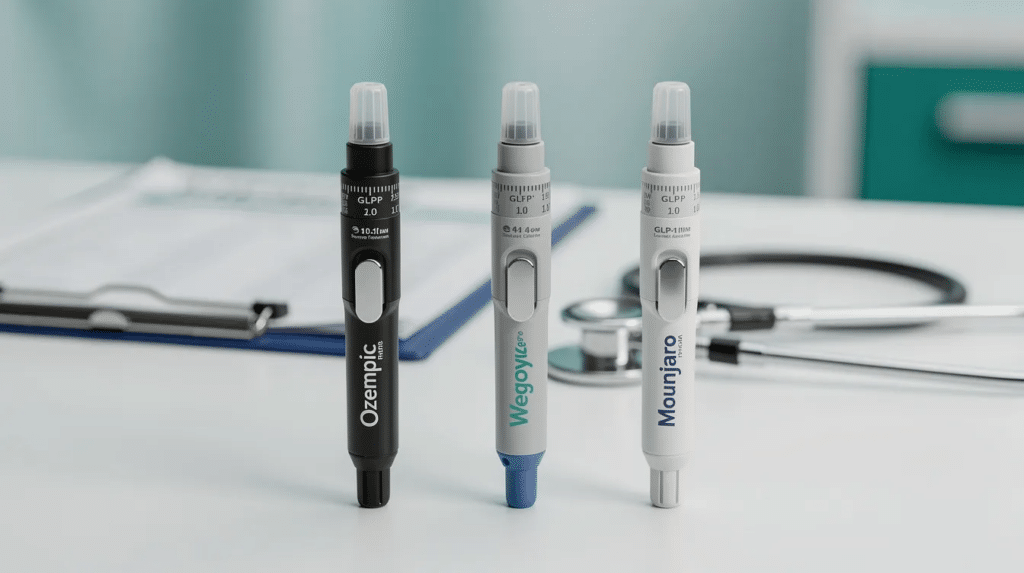
GLP-1 drugs like Ozempic, Wegovy, and Mounjaro have led to rapid weight loss for many patients since about 2021-2022. But they often leave behind loose, uncomfortable skin. Significant weight loss from GLP-1 medications often results in loose or sagging skin, particularly in areas like the abdomen, which can lead to discomfort and hygiene issues.
The most reliable way to remove significant excess skin after GLP-1 weight loss is surgical body contouring. Common body contouring procedures after significant weight loss include tummy tucks, arm lifts, thigh lifts, and body lifts, which are performed by board-certified plastic surgeons to remove excess skin and improve body shape.
Patients are generally advised to maintain a stable weight for 6 to 12 months after significant weight loss, before considering body-contouring surgery, to allow the skin to contract as much as possible. Surgeons often recommend that patients reach a stable weight before surgery, typically maintained within 5 to 10 pounds for 3 to 6 months, to reduce surgical risks. Most patients do not require medication changes before surgery, but your surgeon will review your specific situation to ensure safety.
Dr. Miguel Delgado, a board-certified plastic surgeon in San Francisco and Marin County, focuses on complex post-weight-loss surgery for both male and female patients, with a strong emphasis on safety and natural-looking results. He offers a full range of plastic surgery procedures in San Francisco and Marin County.
Ready to explore your options? Schedule a free virtual or in-office consultation with Dr. Delgado to review your GLP-1 weight-loss journey and discuss personalized surgical options.
What Are GLP-1 Medications and How Do They Cause Weight Loss?
GLP-1 receptor agonists are injectable or oral medications originally developed for type 2 diabetes and widely used for medical weight loss. GLP-1 medications improve insulin secretion and stabilize blood sugar levels, while acting on brain receptors to increase feelings of fullness and reduce cravings. These medications promote overall fat loss throughout the body, rather than just localized fat reduction.
GLP-1 medications delay gastric emptying, keeping food in the stomach longer, so patients feel satisfied with smaller portions. This mechanism helps patients naturally reduce caloric intake. Compared to bariatric surgery, such as gastric bypass—a traditional surgical weight loss option with higher risks and prerequisites—GLP-1 medications offer a less invasive and more accessible approach for many patients.
Key GLP-1 brands include:
- Ozempic and Rybelsus (semaglutide for diabetes)
- Wegovy (semaglutide for obesity)
- Mounjaro/Zepbound (tirzepatide for diabetes and weight loss)
Clinical trials show weight loss averaging 15-20% or more of total body weight over 1 to 2 years. Because this dramatic weight loss occurs faster than traditional diet and exercise, the skin sometimes cannot shrink fast enough, especially in patients over age 40 or those who have been overweight for many years.
Why GLP-1 Weight Loss Often Leaves Loose, Sagging Skin
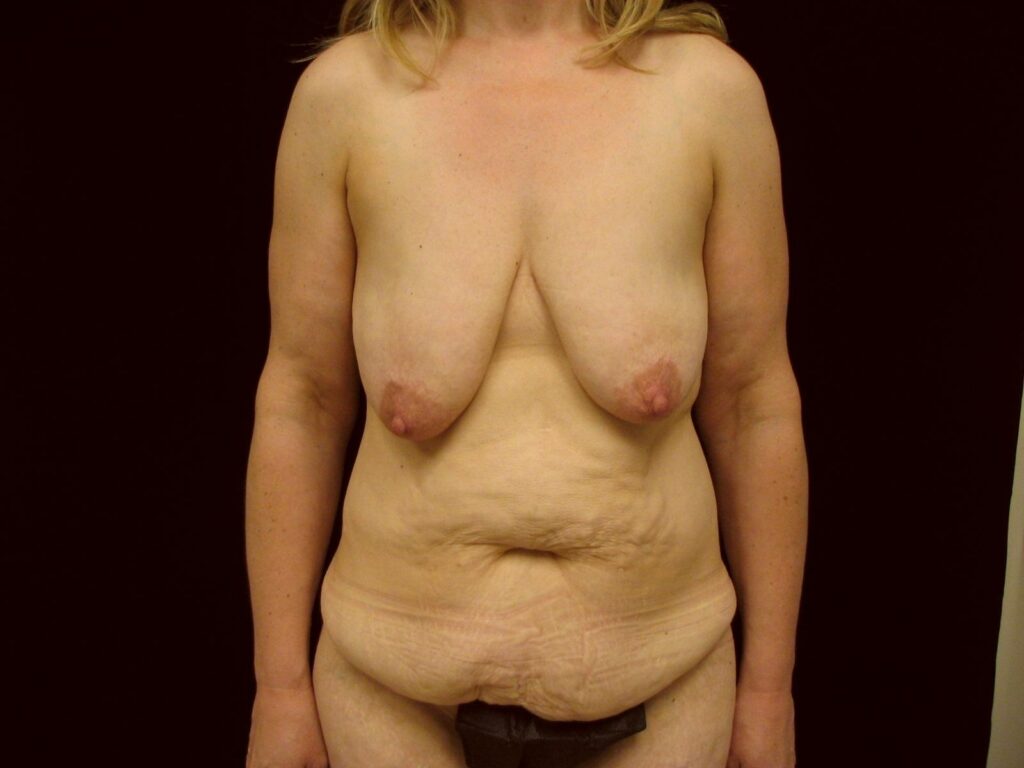
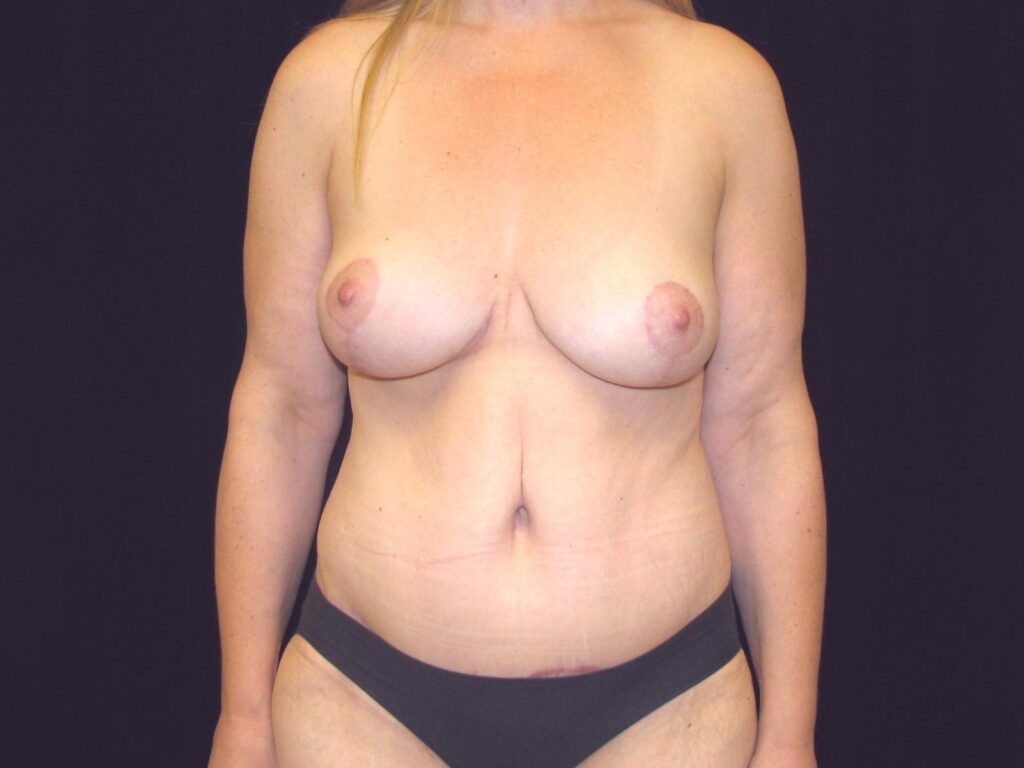
Skin is a living organ with collagen and elastin fibers. Long-term stretching from extra weight can cause the skin to lose its ability to “snap back” due to weakened elasticity and volume. Patients who experience rapid weight loss often find their skin lacks the elasticity to bounce back, resulting in loose, sagging skin that may require surgical intervention. GLP-1 medications may lead to rapid weight loss, which can cause “Ozempic face” or significant skin laxity.
Common areas affected include:
- Abdomen and flanks
- Inner and outer thighs
- Upper arms
- Breasts and chest
- Back, neck, and lower face
Factors that increase skin laxity include aging, significant sun damage, a history of smoking, and significant weight loss (50-100+ pounds). Many patients experience rashes, chafing in skin folds, difficulty finding clothing that fits, and persistent bulges that are actually skin, not fat. After weight loss, the number of fat cells in treated areas (such as those after liposuction or CoolSculpting) is reduced, but excess skin may remain and require surgical correction.
No exercise routine, cream, or diet can remove large amounts of excess skin. For moderate-to-severe laxity, only surgical excision can truly flatten and tighten the affected areas.
Timing Your Skin Removal Surgery After GLP-1 Weight Loss
Patients on GLP-1 medications are generally advised to achieve a stable weight for 6 to 12 months before considering cosmetic surgery to ensure optimal results and safety. Stable weight means no major fluctuations (about 5-10 pounds) and no ongoing rapid weight loss, even with increasing doses.
Being close to your goal weight helps Dr. Delgado make precise incisions and reduces the likelihood of needing revision surgery. Losing weight before surgery can reduce comorbidities, such as hypertension and sleep apnea, while reaching a lower BMI can reduce surgical risks, such as infection and wound-healing complications. Patients often feel more confident moving forward after learning more about Dr. Miguel Delgado’s background and training.
Coordination with your prescribing provider (endocrinologist, obesity medicine specialist, or primary care physician) regarding GLP-1 dosing before surgery is essential. Dr. Delgado reviews your weight-loss timeline, lab work, and nutritional status during consultation.
Skin Removal & Body Contouring Options for Women After GLP-1 Weight Loss
Many female GLP-1 patients, aged 30s to 60s, come to Dr. Delgado after completing weight-loss programs, including those involving GLP-1 medications, and having lost 40-100+ pounds. They seek a more proportional, feminine contour. Treatment plans are highly customized and may combine several plastic surgery procedures in a single operation or be staged for safety.
Abdomen and Waist: Tummy Tuck & Lower Body Lift
A tummy tuck, also known as abdominoplasty, removes excess loose skin and tightens the underlying abdominal muscles, creating a flatter midsection after significant weight loss. An extended tummy tuck addresses “apron” overhangs that are common after GLP-1 use and pregnancy.
For women with massive weight loss (80-100+ pounds), a circumferential lower body lift addresses the abdomen, waist, lower back, and buttock droop simultaneously. Recovery typically involves about 2 weeks off desk work and 6 weeks before resuming strenuous exercise. Dr. Delgado uses careful incision placement so scars can be hidden in most underwear or swimsuits.
Breasts: Lift, Reduction, and Augmentation Options
Breast lifts, also known as mastopexy, are often sought after significant weight loss to restore youthful contour and position, especially when breasts lose volume. The procedure removes extra skin, raises the nipple-areola complex, and reshapes the breast. Women unhappy with prior augmentation can explore breast augmentation revision options.
Some patients add implants or fat transfer for lost volume, while others prefer a lift alone. Dr. Delgado also performs breast reduction for women whose breasts remain heavy despite fat loss.
Arms, Thighs, and Back: Arm Lift, Thigh Lift & Bra-Line Back Lift
An arm lift, also known as brachioplasty, addresses hanging “bat wings” that persist despite exercise. Thigh lifts remove excess skin from the inner or outer thighs, reducing chafing. A bra-line back lift removes horizontal rolls that bunch under bras after major weight loss.
Comprehensive “GLP-1 Mommy Makeover” for Post-Weight-Loss Women
A Mommy Makeover combines procedures such as tummy tuck, breast lift, and targeted liposuction for women who have used GLP-1s after childbearing. Liposuction is a precise procedure that targets stubborn fat pockets that may not respond to diet and exercise. These and other body contouring procedures offered by Dr. Delgado can be tailored to address the areas most affected by GLP-1 weight loss. Dr. Delgado evaluates which combinations can be safely performed in a single operation and which should be staged, prioritizing patient safety.
Skin Removal & Body Contouring Options for Men After GLP-1 Weight Loss
GLP-1 medications have significantly increased the number of men pursuing plastic surgery, particularly men in their 30s to 60s who never considered surgery before. Men often prioritize restoring a firmer, more athletic torso and eliminating skin overhangs that affect clothing fit.
Abdomen, Flanks, and Back: Tummy Tuck & Circumferential Body Lift for Men
Male abdominoplasty focuses on removing loose abdominal skin while preserving a masculine, straight, or V-shaped waistline. For men with significant weight loss (80-150+ pounds), a circumferential body lift addresses droopy skin across the abdomen, flanks, and lower back. Men traveling to the Bay Area can also explore gynecomastia and male breast reduction services in San Francisco as part of a comprehensive contouring plan.
Male Chest Contouring & Gynecomastia Surgery After GLP-1
GLP-1-induced fat loss can reveal excess skin and fat on the chest in men. Male chest contouring combines skin removal, glandular tissue excision, and liposuction to achieve a flatter, more defined chest. Dr. Delgado is widely recognized as one of the best gynecomastia surgeons in California—his expertise is particularly valuable for male GLP-1 patients.
Arms, Thighs, and Neck/Lower Face for Men
Men may need arm lifts and thigh lifts after GLP-1 weight loss, with incisions planned to respect hair patterns. For “Ozempic face,” options include lower facelift, neck lift, or fat transfer to restore jawline definition while maintaining a natural, masculine appearance.
Face, Neck, and “Ozempic Face”: Surgical and Non-Surgical Options
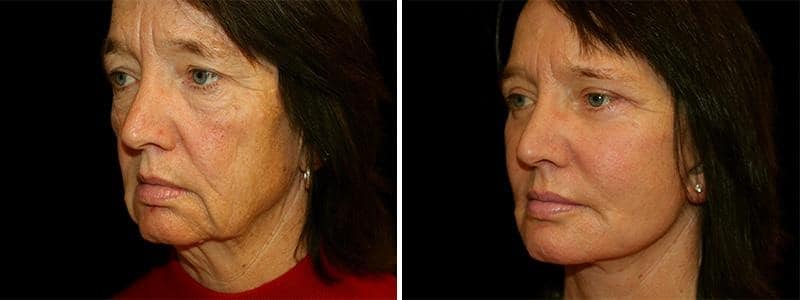
“Ozempic face” refers to hollowed cheeks, loose jawlines, and crepey neck skin after significant GLP-1 weight loss. The problem involves loss of facial fat and diminished elasticity, and many patients benefit from a dedicated evaluation of Ozempic’s effects on the face and of corrective facelift options.
Surgical options include facelift and neck lift procedures to reposition deeper tissues and remove excess skin. Non-surgical options include dermal fillers, RF micro-needling, and laser therapy for mild to moderate laxity—always with a conservative approach to avoid an “overfilled” look.
Non-Surgical Adjuncts for Mild Laxity
Non-surgical treatments cannot remove large folds of skin, but help with mild laxity. Non-surgical options such as laser treatments and radiofrequency therapy can improve skin elasticity, but results are generally less dramatic than those achieved with surgical procedures.
Options include radiofrequency skin tightening, RF microneedling, and medical-grade skincare that supports collagen production. These offer minimal downtime, but require multiple sessions with subtle results.
Safety Considerations: GLP-1 Medications, Anesthesia, and Healing
Patient safety is paramount. GLP-1 drugs create a high risk of pulmonary aspiration during anesthesia due to delayed gastric emptying, which can leave stomach contents present during surgery and increase the risk of aspiration and related complications. Clear communication with the surgical team about all medications, including GLP-1 usage, is crucial for tailoring surgical plans and ensuring patient safety during procedures.
Many surgeons require patients to stop GLP-1 medications 1 to 4 weeks before surgery to ensure the digestive system returns to normal. Surgical protocols advise stopping weekly injections 1 to 2 weeks before surgery, and skipping doses on the day of the procedure. It is recommended that patients stop taking GLP-1 medications for at least two weeks prior to surgery to reduce the risk of aspiration during anesthesia.
Patients are typically advised to follow high-protein diets and take supplements to support proper healing after surgery when using GLP-1 medications. Rapid weight loss can lead to a loss of lean muscle mass and nutritional deficiencies critical for postoperative recovery. GLP-1 medications can affect recovery after surgery by influencing appetite and nutrient intake, which are crucial for healing. Therefore, careful planning with healthcare providers is essential.
Studies show higher rates of surgical site complications in patients using GLP-1 agonists, making proper coordination essential. Lowering BMI may decrease the risk of serious complications, like venous thromboembolism (VTE) and lymphedema during surgery.
The Benefits of Choosing Dr. Miguel Delgado for Post-GLP-1 Skin Removal

Dr. Delgado is a board-certified plastic surgeon with decades of experience in body contouring, mommy makeovers, and gynecomastia surgery, and is a world-renowned gynecomastia specialist serving patients throughout Northern California and beyond. He operates in his fully accredited surgical facilities, Marin Cosmetic Surgery Center, with experienced anesthesia providers familiar with GLP-1 patient needs.
His customized surgical planning for both women and men includes staged procedures when appropriate. His focus on natural-looking results, thoughtful scar placement, and long-term follow-up serves patients who have undergone life-changing weight loss transformations.
Schedule a complimentary virtual or in-office consultation at Dr. Delgado’s San Francisco or Marin County locations to discuss your GLP-1 weight-loss journey and individualized treatment options. Call (415) 898-4161 or fill out our online contact form for a virtual or in-person consultation.
Frequently Asked Questions About GLP-1 Weight Loss and Skin Removal Surgery
How long after I reach my goal weight on GLP-1 medication should I wait before surgery?
Patients are generally advised to wait 6 to 12 months after achieving a stable weight before cosmetic surgery, to allow the skin to adjust to new contours. Many surgeons recommend maintaining a stable weight for 3 to 6 months before undergoing cosmetic procedures to ensure durable results. Dr. Delgado reviews weight trends, GLP-1 dosing history, and overall health during consultation.
Do I have to stop Ozempic, Wegovy, or Mounjaro before plastic surgery?
Yes. The exact timing depends on the specific medication and procedure. Patients typically resume GLP-1 medication about 2 to 4 weeks after surgery, once they are recovering well. This timing is determined collaboratively by Dr. Delgado, the anesthesiologist, and your prescribing provider.
Will weight loss after my surgery ruin the results?
Modest fluctuations of 5-10 pounds usually do not significantly affect results. However, large additional weight loss after skin removal can create new laxity and may require revision surgery. Work with your medical team to maintain weight stability.
Can I combine multiple skin removal procedures into a single operation?
Combination surgeries are common after GLP-1 weight loss, but must be carefully planned. Dr. Delgado may recommend staging additional procedures several months apart for patients who need extensive body contouring or have medical risk factors.
Are there financing or travel options for GLP-1 patients seeking surgery with Dr. Delgado?
Many patients travel from across Northern California and beyond for Dr. Delgado’s expertise. The practice coordinates virtual consultations, surgery scheduling, and recovery time timelines for out-of-town patients. Staff can discuss payment options and available financing partners.