
11 Min Read
- What Is the Physical and Emotional Impact on Teen Females?
- When Is the Best Time for Breast Reduction in Teens?
- Psychological Readiness, Parental Consent, and Shared Decision-Making
- Who Is a Good Candidate for Adolescent Breast Reduction?
- How Breast Reduction Surgery Is Performed
- Recovery: What Teens and Parents Can Expect
- Long-Term Results, Breastfeeding, and Future Changes
- Insurance, Costs, and Medical Necessity
- How Dr. Miguel Delgado Supports Teens and Families
- Take the Next Step
For many young women, the teenage years bring normal physical changes that eventually stabilize. But for some girls, breast growth during puberty far exceeds what’s typical—leading to a medical condition called adolescent macromastia. This condition, characterized by large breasts developing between ages 12 and 19, creates real physical limitations and significant emotional challenges that can affect every aspect of a teen’s life.
Dr. Miguel Delgado, M.D., a board-certified plastic surgeon in San Francisco and Marin County, frequently evaluates teen girls and their families seeking relief from chronic neck, shoulder, and back pain, as well as bra strap grooving on the shoulders—a common source of discomfort for teens with macromastia—skin irritation, difficulty exercising, and trouble finding clothes that fit. It is important to seek experienced plastic surgeons for adolescent breast reduction procedures to ensure safety and optimal results. Macromastia is not a cosmetic “preference”—it’s a medical condition that can limit school participation, sports involvement, and social well-being. This article will walk you through the physical and psychological impact, parental consent requirements, ideal timing for surgery, procedure details, recovery, and how families can consult with Dr. Delgado.
This information is especially important for teens and their parents or caregivers, as it helps them understand the condition, available treatments, and how to make informed decisions about adolescent breast reduction.
What Is the Physical and Emotional Impact on Teen Females?
Imagine a 15-year-old girl who dreads PE class every day. Not because she dislikes sports, but because running causes pain and unwanted attention. She wears oversized sweatshirts even in warm weather and has stopped accepting invitations to pool parties. For teenagers with adolescent macromastia and its consequences, this scenario is reality—not just occasionally, but constantly.
Common Physical Problems
Teens with excess enlarged adolescent breasts and macromastia often experience:
- Daily neck, shoulder, and back pain that interferes with concentration at school
- Tension headaches from poor posture and muscle strain
- Deep shoulder grooving from bra straps
- Difficulty maintaining good posture
- Exercise intolerance—running, volleyball, and dance—becoming painful or impossible
- Recurrent rashes and skin infection (intertrigo) in the breast crease
- Shortness of breath in severe cases, especially when lying down
These symptoms are not minor inconveniences. They can lead to chronic discomfort that affects a teen’s ability to focus in class, participate in physical activities, and enjoy a normal teenage life.
Psychological Impact
The emotional toll on adolescents with very large breasts is often underestimated. Research shows that affected girls frequently experience:
| Psychological Challenge | How It Manifests |
| Low self esteem | Feeling embarrassed about body, avoiding mirrors |
| Body image distress | Dissatisfaction with appearance, feeling “different” |
| Social anxiety | Skipping pool parties, avoiding team sports |
| Unwanted attention | Feeling hypersexualized by peers or adults |
| Bullying | Teasing, inappropriate comments about breast size |
| Social withdrawal | Avoiding activities where breasts might be noticed |
Studies published between 2012 and 2022 demonstrate significant improvement in overall quality of life, body image, and mood after reduction mammoplasty in adolescents. Many girls internalize these stressors and don’t ask for help, which means the psychological burden may be even greater than what parents observe.
Dr. Delgado often hears from parents about their daughters’ emotional distress and works to create a supportive, respectful environment during consultations where teens feel comfortable sharing their concerns.

When Is the Best Time for Breast Reduction in Teens?
There is no single “magic age” for adolescent breast reduction, but timing matters significantly for safety, long-term stability, and emotional readiness.
Understanding Breast Development Milestones
- Typical onset of menstruation (menarche) occurs around ages 11–13.
- Breast growth tends to slow 2–3 years after the first menstrual period in normal-weight teens.
- For many girls of healthy weight, surgery is often considered around 3 or more years after menarche (for example, ages 15–18), when breast size has mostly stabilized.
Special Considerations for Weight
Research shows that obese teens may continue breast growth for a longer window—up to 8–9 years after menarche. This extended growth period can raise the risk of postoperative breast regrowth if the surgical procedure is performed too early.
What About Regrowth?
Significant regrowth is uncommon—around 6% in large studies of pediatric patients—and is often linked to weight gain or surgery performed at a younger age before breast development has fully stabilized. Mild increases in breast size after surgery are possible and should be discussed during consultation, but this risk is frequently outweighed by immediate and lasting relief from severe symptoms.
Dr. Delgado evaluates each teen individually, considering:
- Height and weight
- Growth charts and BMI trends
- Menstrual history and menstrual cycle regularity
- Family history of breast size
- Current symptoms and their severity
Rather than strictly waiting until 18 when a clear medical need exists, Dr. Delgado focuses on whether the adolescent breast development has stabilized and whether symptoms justify intervention.
Psychological Readiness, Parental Consent, and Shared Decision-Making
Adolescent breast reduction is both a physical and emotional decision that must involve all parties—specifically, the teen, her parents or guardians, and the surgeon—ensuring everyone is actively involved in the decision-making process.
Signs of Psychological Readiness
A teen who is ready for breast reduction surgery should be able to:
- Explain in her own words why she wants surgery
- Understand the trade-offs (relief from pain versus scars, potential impact on future breastfeeding)
- Have realistic expectations about outcomes
- Demonstrate emotional maturity about the decision
Common emotional drivers include feeling constantly stared at, not wanting to participate in sports, wearing oversized clothing to hide, and ongoing frustration despite well-fitted, supportive bras.
Parental Consent Requirements
In the U.S., patients under 18 typically require written parental or legal guardian consent for breast reduction, plus the teen’s own assent. State laws can vary and will be reviewed during consultation.
Dr. Delgado meets both the teen and parents, talks with them together, and, when appropriate, offers time alone with the teen to hear her concerns privately. This approach ensures that the teen’s voice is central to the decision-making process.
Preparing for Consultation
Families should openly discuss motivations, expectations, and fears at home before the consultation so the teen does not feel pressured in either direction. In more complex emotional situations—such as a history of depression, body dysmorphic concerns, or eating disorders—collaboration with a mental health professional may be recommended before proceeding with plastic surgery, especially when conditions like juvenile breast hypertrophy in teenagers are present.
Who Is a Good Candidate for Adolescent Breast Reduction?
Candidacy for breast reduction surgery is based on symptoms, physical development, health status, and emotional maturity rather than a strict age cutoff.
Typical Medical Indications
Good candidates for teen breast reduction usually present with:
- Chronic neck, shoulder, or back pain unrelieved by conservative measures
- Shoulder grooving with nerve irritation
- Recurrent skin infections or rashes under the breasts
- Difficulty with sports such as running, volleyball, or dance
- Trouble finding supportive bras or school uniforms that fit
- Breast asymmetry causing functional problems
Conservative Measures First
Before surgery is considered, the teen should have tried:
- Professionally fitted support bras with wide straps
- Physical therapy for posture and pain
- Posture exercises
- Weight management when appropriate
If these measures provide insufficient relief, surgery becomes a more appropriate option.
Health Considerations
| Factor | Recommendation |
| Breast stability | Stable or slowly changing breast size for 6–12 months minimum |
| BMI | Obesity may require optimization before surgery |
| Medical conditions | Uncontrolled asthma, bleeding disorders require management first |
| Smoking/vaping | Must stop before surgery due to healing risks |
Dr. Delgado uses a comprehensive evaluation—including physical exam, detailed history, and photos—to determine whether adolescent reduction mammaplasty is appropriate and likely to help.
How Breast Reduction Surgery Is Performed
Reduction mammaplasty is a reconstructive procedure designed to remove excess breast tissue, fat, and skin to reduce weight and create a more proportionate shape. Many families find it helpful to review breast surgery before and after photos when considering options.
Anesthesia and Setting
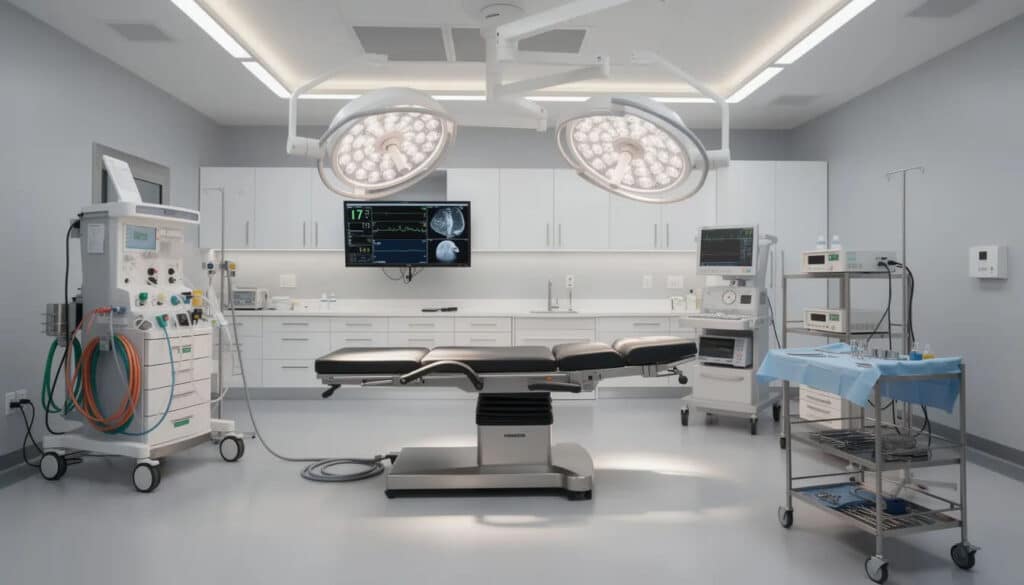
The cosmetic procedure is performed under general anesthesia in a fully accredited surgical facility. The teen is asleep throughout and monitored by a board-certified anesthesiologist, ensuring maximum safety.
Incision Patterns
For teens, common incision approaches include:
- Anchor (Inverted T) Incision: Around the areola, vertically down, and along the breast crease—used when significant tissue removal is needed
- Lollipop Incision: Around the areola and vertically down—selected in some cases with less tissue to remove
The technique is tailored to the amount of excess breast tissue to be removed from each patient.
Preserving Sensation and Function
The nipple–areola complex is usually kept attached to its blood supply (pedicled technique), which helps maintain sensation in many patients and preserves some potential for future breastfeeding, although individual outcomes can vary.
Surgery Details
- Surgery time is approximately 3–4 hours.
- Most teen patients go home on the same day of the procedure once fully awake and comfortable.
- Dr. Delgado generally uses dissolvable sutures and avoids drains in many cases.
- Dressings and a surgical bra are applied before leaving the operating room.
- Photographs and tissue weight measurements are documented for medical records and insurance documentation.
Recovery: What Teens and Parents Can Expect
Recovery is very manageable for most healthy teens but requires planning around school and activities.
First Week
- Soreness and chest tightness controlled with prescribed pain medication
- Most teens rest at home, sleep slightly elevated
- Limited arm motion and no lifting
- Discomfort gradually improves each day
Activity Restrictions
| Timeline | Activity Level |
| Weeks 1–2 | Off from school or modified schedule; no lifting |
| Weeks 3–4 | Light exercise as approved; return to most school activities |
| Weeks 4–6 | Gradual return to PE class and sports |
| 6+ weeks | Return to normal activity level and unrestricted physical activities |
Ongoing Care
- Wear a supportive surgical or sports bra continuously (day and night) for several weeks
- Simple daily incision care according to Dr. Delgado’s instructions
- Follow-up visits in the first week or two, then at intervals to monitor healing
Understanding Scars
Scars are permanent but generally fade over 12–24 months. Many women and teens find that relief from pain and improved proportions far outweigh the concern about scars. Dr. Delgado provides guidance on scar care to optimize healing.
Long-Term Results, Breastfeeding, and Future Changes
Most adolescent reduction patients enjoy lasting improvement in comfort and body image well into adulthood.
What to Expect Over Time
- Final breast shape and position continue to refine for 6–12 months as swelling resolves.
- Life events such as weight fluctuations, pregnancy, and breastfeeding can modify breast size and shape.
- True regrowth of excessive macromastia after properly timed adolescent reduction is uncommon.
- Modest increases with weight gain or hormonal changes are possible.
Breastfeeding After Reduction
Many women who have had reduction mammaplasty are able to breastfeed, but the ability may be reduced. This risk is clearly explained to teens and parents during consultation, so families can make informed decisions.
If significant changes occur years later, revision procedures are available and can be discussed with Dr. Delgado as needed.
Insurance, Costs, and Medical Necessity
Adolescent macromastia is usually considered a functional, medically driven condition rather than purely cosmetic, which can influence insurance company coverage decisions.
Documentation Requirements
Many insurers require:
- Documentation of chronic symptoms (pain, rashes, skin irritation)
- Evidence of failed conservative treatments
- A minimum amount of breast tissue to be removed based on the teen’s height and weight
Preparing for Insurance Review
Families should gather prior medical records before consultation:
- Physical therapy notes
- Dermatologist visits for rashes
- Primary care notes about back pain
- Any other documentation of symptoms
Insurance policies differ widely. Some may cover reduction mammaplasty for pediatric patients when criteria are met, while others may consider it excluded or cosmetic.
How Dr. Miguel Delgado Supports Teens and Families
Dr. Delgado brings extensive experience in breast surgery, including complex breast reduction and gynecomastia surgery for males, with a focus on individualized, age-appropriate care for younger patients. Dr. Delgado also offers a variety of breast augmentation options with Dr. Delgado to meet the unique needs of each patient. His personalized approach ensures that individuals feel confident and satisfied with their choices. Patients can expect comprehensive consultations to discuss their goals and the best surgical techniques available.
A Welcoming Consultation Experience
Consultations are designed to be respectful of teen modesty:
- Gowns provided for comfort
- Chaperones or parents during examinations
- Careful explanation before any physical examination
- Questions encouraged from both parents and teens
Both in-person and virtual initial consultations are available for families across Northern California and beyond, including care at Dr. Delgado’s Novato plastic surgery office in Marin County, with full preoperative evaluation completed in person.
What Families Can Expect
Dr. Delgado reviews photographs of typical results and scars so everyone knows what to expect. The practice’s fully equipped surgical facility emphasizes patient safety, board-certified anesthesia, and careful postoperative follow-up tailored to teen school and activity schedules.

Take the Next Step
If your child is struggling with the physical and emotional burden of adolescent macromastia, you don’t have to wait until symptoms worsen to explore options. Many girls who undergo this same procedure experience dramatic relief and improved self-image within weeks of surgery.
Schedule a free virtual or in-office consultation with Dr. Delgado to discuss your daughter’s symptoms, timing factors, and whether adolescent breast reduction may be the right choice for your family. The benefits of addressing this condition can extend far beyond physical relief—helping your teen regain confidence, participate fully in life, and move forward with health and well being intact.