Breast Implant Revision Cost: A Complete Pricing Guide for 2026
Key Takeaways
- Breast implant revision surgery costs typically range from $8,000 to $15,000, with complex cases potentially reaching $20,000 or more
- Cost factors include surgeon expertise, procedure complexity, implant type, anesthesia, facility fees, and geographic location
- Dr. Delgado’s extensive experience in breast revision surgery ensures optimal outcomes and minimizes the need for future revisions
- Insurance may cover medically necessary revisions for complications like capsular contracture or implant rupture.
- Financing options and payment plans are available to make breast implant revision surgery more accessible
Before and after breast implant revision surgery.
Understanding the cost of breast implant revision surgery is crucial for anyone considering this complex procedure. Unlike the initial breast augmentation surgery, breast implant revision requires specialized expertise to address complications, achieve desired aesthetic changes, or replace aging implants. The breast implant revision cost varies significantly based on multiple factors, making it essential to understand what influences pricing and why choosing an experienced surgeon like Dr. Delgado can provide both superior results and long-term value.
Breast implant revision surgery addresses various issues that can develop years after the initial breast augmentation procedure. Whether you’re dealing with capsular contracture, implant rupture, asymmetry, or simply want to change your implant size, the revision process is typically more complex than your original surgery. Complications such as capsular contracture or implant rupture may require revision surgery to correct these issues and restore optimal breast appearance and comfort. This complexity directly impacts the breast implant revision price, as surgeons must work around existing scar tissue, address previous surgical changes, and often perform additional procedures to achieve optimal results.

Breast Implant Revision Cost Overview
The national average cost of breast implant revision surgery is approximately $10,500 in 2024, representing a significant investment in correcting or improving previous breast augmentation results. This figure encompasses various components, including surgeon fees, facility costs, anesthesia, and implant devices when replacement is necessary. However, the national average cost of breast implant revision surgery is $8,663, highlighting the variability in pricing based on location and procedure complexity. The breast revision cost may vary based on several factors, such as geographic location, surgeon expertise, and procedure complexity. It is important for patients to understand that breast revision cost can fluctuate widely, depending on the specifics of their case and the qualifications of their surgeon.
What is the cost of breast implant removal and exchange?
Simple implant exchange procedures typically start around $8,000 to $12,000, making them the most affordable option for patients who primarily need size changes without significant complications. However, complex revision surgeries requiring capsulectomy to remove scar tissue can cost between $12,000 and $18,000 due to the additional surgical time and technical expertise required. Several factors, such as implant type, breast tissue quality, and previous surgeries, can influence the need for revision and cost. In some complex cases, patients may require multiple surgeries to achieve their desired results.
What is the cost of breast implant revision with a breast lift?
When breast implant revision is combined with a breast lift to address sagging or tissue stretching, costs range from $15,000 to $22,000. This combination procedure addresses both implant-related issues and age-related changes to the breast tissue and breast skin elasticity and support, providing comprehensive rejuvenation but requiring extensive surgical intervention.
What is the cost of the initial breast augmentation and breast implant revision surgery?
Breast revision surgery generally costs 20-30% more than the initial breast augmentation. This price increase is due to the complexity of operating on previously altered tissue, the necessity for specialized revision techniques, and the extra time required for procedures such as capsule removal or reconstructing the implant pocket. Depending on the treatment plan, breast implant revision surgery can involve local or general anesthesia, which may also influence the cost.
This price difference reflects the increased complexity of working with previously operated tissue, the need for specialized revision techniques, and the additional time required for procedures like capsule removal or pocket reconstruction. Most patients find this investment worthwhile, given the improved comfort and aesthetics that successful breast implant revision surgery can provide, especially when the goal is to restore a natural look.
The cost of breast implant revision depends not only on procedure complexity, but also geographic location, with major metropolitan areas commanding higher fees than smaller markets. For example, San Francisco has a higher living cost, which impacts surgical fees and facility costs compared to national averages. Understanding these cost variations helps patients budget appropriately and make informed decisions about where to undergo their breast revision surgery.
Photos of breast revision surgery
What are the Factors Affecting Breast Implant Revision Price?
Multiple factors influence the final cost of your breast revision surgery, with surgeon experience and reputation playing the most significant role in pricing. Board-certified plastic surgeons with extensive experience in breast revision procedures typically charge 15-25% more than less experienced practitioners, but this premium often translates to superior outcomes and reduced complication rates. The breast revision cost may also reflect the surgeon’s expertise and complexity of the procedure.
Geographic location creates substantial cost variations across the United States. Major cities like New York, Los Angeles, and Miami average $12,000-$20,000 for breast augmentation revision, while mid-tier markets range from $9,000-$15,000, and smaller markets typically cost $8,000-$12,000. In San Francisco, the cost of a breast augmentation revision typically ranges from $11,000 to $17,000, and can be higher depending on the complexity of the case. These regional differences reflect local economic conditions, practice overhead costs, and competition among plastic surgeons. Costs may vary depending on location, surgeon, and facility.
The complexity of your revision surgery directly impacts costs, as procedures requiring extensive scar tissue removal, pocket reconstruction, or correction of multiple complications require more surgical time and expertise. A personalized treatment plan is essential to determine the most appropriate surgical approach and cost. Simple implant removal and exchanges represent the least complex revisions, while addressing severe capsular contracture, implant malposition, or combining revision with other procedures like breast lifts increases both complexity and cost. Incisions for breast implant revision may be made around the areola or vertically along the breast depending on the procedure’s complexity. Breast implant replacement is a common procedure in breast revision surgery, often performed to address aging implants, complications, or personal preferences, and its associated costs should be considered.
Implant selection also affects your breast implant revision price, with premium silicone implants costing more than saline alternatives. Newer implant technologies, such as highly cohesive gel implants or anatomically shaped devices, command higher prices, but may provide improved aesthetic results and longer-lasting outcomes. The type and quality of new implants selected can add $1,000-$3,000 to your total revision cost.
Facility fees vary significantly between hospital-based surgery centers and private surgical facilities, with hospitals typically charging higher fees, but offering certain safety advantages for complex cases. Anesthesia costs depend on procedure duration and type of anesthesia required, with general anesthesia necessary for most breast augmentation revision surgery.
If your revision involves replacing breast implants as part of ongoing maintenance or to address complications, this can also affect the total cost. In some cases, your insurance company may provide coverage for medically necessary breast implant replacement or revision procedures, so it is important to check with your provider regarding eligibility and benefits.
Surgeon Experience Impact on Cost
The surgeon’s expertise in breast implant revision procedures is the most critical factor in both cost and outcomes. Revision specialists who have performed thousands of complex breast revisions command premium fees because their extensive experience translates to better results, fewer complications, and reduced likelihood of requiring additional surgeries.
Board-certified plastic surgeons with fellowship training in breast surgery typically charge 15-25% more than general plastic surgeons, but this investment often proves cost-effective over time., but this investment often proves cost-effective long-term. Experienced revision surgeons can address complications that less experienced practitioners might struggle with, potentially saving patients from multiple revision attempts.
Higher surgeon fees often correlate with lower complication rates and reduced need for additional procedures. When you consider that a poorly performed revision could lead to additional surgeries costing thousands more, selecting an experienced surgeon like Dr. Delgado is a wise financial decision. Most patients who undergo breast augmentation revision surgery find that the premium paid for exceptional expertise pays dividends in improved results and peace of mind.
Surgeons who specialize exclusively in breast revision develop techniques and insights that general plastic surgeons may lack. This specialized knowledge allows them to anticipate challenges, plan comprehensive solutions, and achieve results that might be impossible with less experienced practitioners. The cost difference between a revision specialist and a general practitioner often represents the best value when considering long-term satisfaction and future procedures.
Pictures of breast enhancement revision procedures.
Geographic Cost Variations
Location dramatically influences breast implant revision costs, with patients in major metropolitan areas paying significantly more than those in smaller cities or rural areas. Costs may vary depending on geographic location, surgeon expertise, and facility type. This geographic variation reflects differences in practice overhead, local economic conditions, and competition among qualified surgeons.
Major cities like New York, Los Angeles, and Miami represent the highest-cost markets for breast implant revision surgery, with average costs ranging from $12,000-$20,000. These markets attract top-tier surgeons and serve affluent populations willing to pay premium prices for expertise and convenience. Facility costs in these areas are substantially higher due to real estate prices and regulatory requirements.
Mid-tier markets, including cities like Atlanta, Denver, and Phoenix, typically offer breast revision surgery in the $9,000-$15,000 range. These markets often provide excellent value, combining qualified surgeons with more reasonable overhead costs. Patients frequently find outstanding surgeons in these markets who trained at prestigious institutions but practiced in more affordable locations.
Smaller markets throughout the United States generally offer the most affordable breast implant revision surgery, with costs ranging from $8,000-$12,000. While lower costs can be attractive, patients should carefully evaluate surgeon qualifications and experience, as complex breast revision surgery requires specialized expertise regardless of location.
International options may cost 40-60% less than US prices, but involve travel expenses, potential language barriers, and challenges with follow-up care. Complications arising from overseas surgery can be difficult and expensive to address domestically, often negating initial cost savings.
Cost Breakdown by Procedure Type
Understanding specific costs for different types of breast implant revision procedures helps patients budget appropriately and understand what their particular situation might require. Each procedure type addresses different complications or patient goals, with costs reflecting the complexity and time required for optimal results. Patients considering body contouring procedures, such as tummy tuck surgery, should also be aware of the unique risks and cost factors, especially when evaluating options like medical tourism.
Breast implant removal
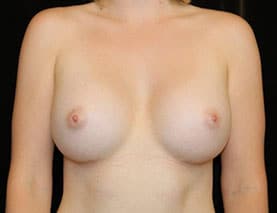
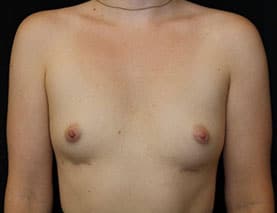
Simple implant removal, typically performed when patients decide against replacement, costs between $6,000-$9,000. Breast implant removal is a safe and necessary procedure for patients experiencing complications, preferences changes, or concerns about their implants. This procedure involves accessing the existing implant pocket, removing the implants, and often removing excess capsule tissue. While technically simpler than replacement procedures, proper technique is essential to minimize scarring and achieve good breast shape after removal.
Breast Implant Replacement.
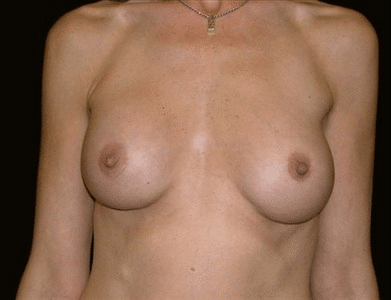
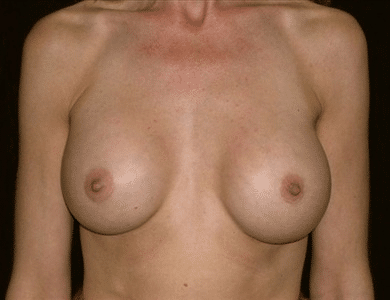
Implant exchange with the same size represents a mid-range option costing $8,000-$12,000. This procedure involves removing existing implants and replacing them with new devices of similar dimensions. Complications like minor capsular contracture, changes in implant shape, damage to the outer shell, or implant aging typically motivate this type of revision surgery. The cost reflects the need to replace breast implants and the surgical expertise required to work within previously operated breast tissue.
Breast Implant Exchange
Size change revision procedures cost $9,000-$13,000 and involve changing implant dimensions to achieve different breast proportions. Increasing implant size often requires pocket enlargement, while decreasing size may require pocket modification or tissue removal to prevent rippling. These procedures require careful surgical planning to achieve natural-looking results with appropriate breast shape.
Breast implant exchange with capsulectomy
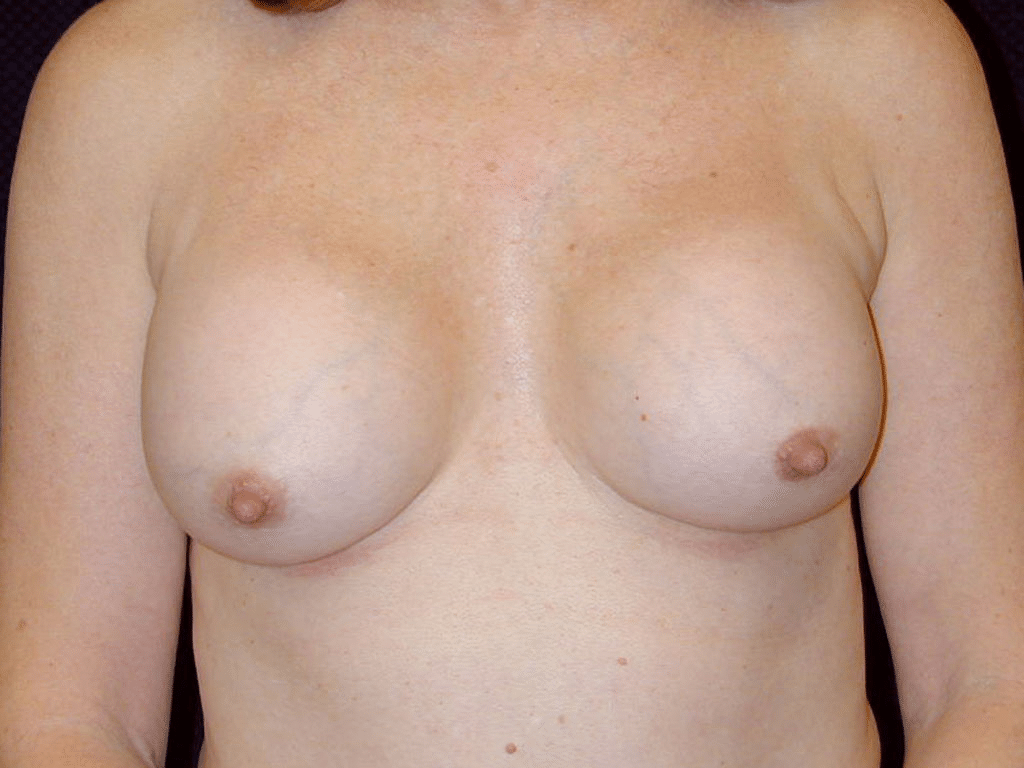
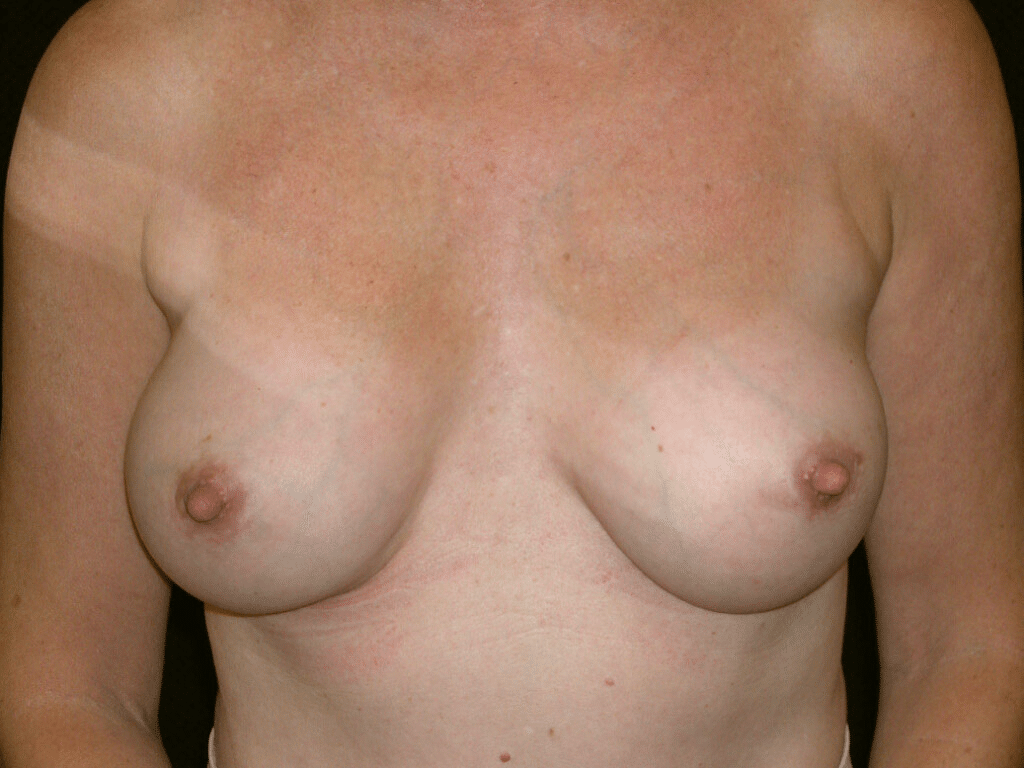
Capsulectomy with implant replacement represents a more complex procedure costing $12,000-$16,000. This surgery addresses significant scar tissue formation around implants, removing the fibrous breast capsule to treat complications such as capsular contracture before placing new implants. The additional surgical time and expertise required for safe capsule removal while preserving healthy breast tissue drives the higher cost of this breast implant revision procedure.
Breast augmentation exchange with a lift (mastopexy).
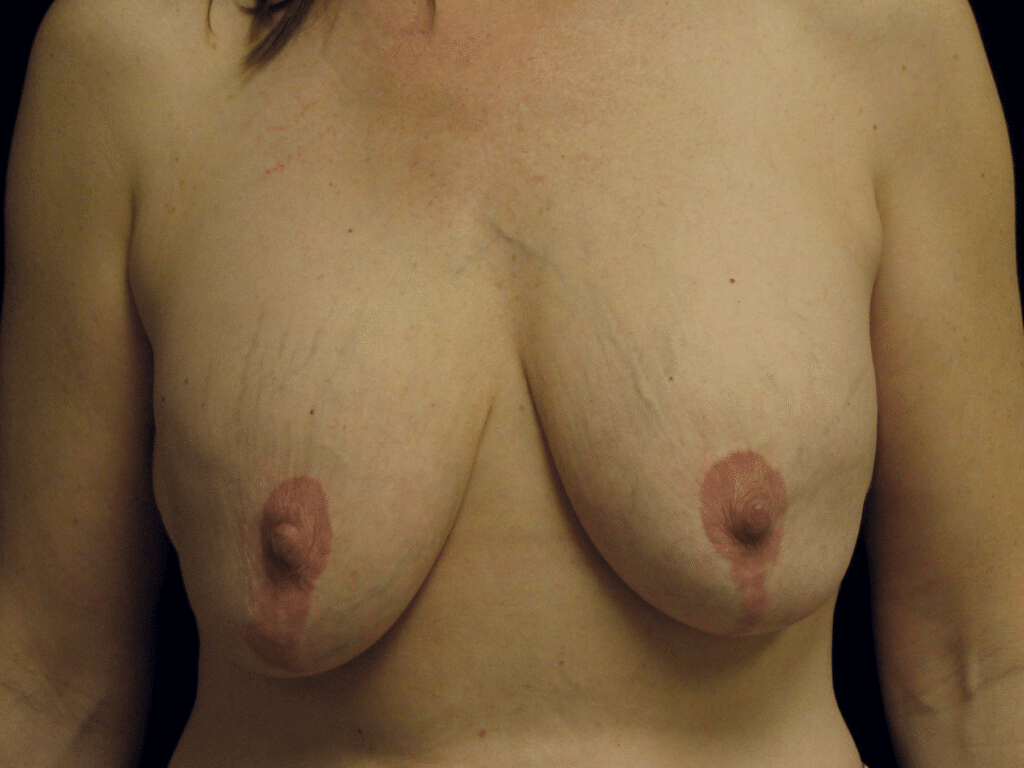
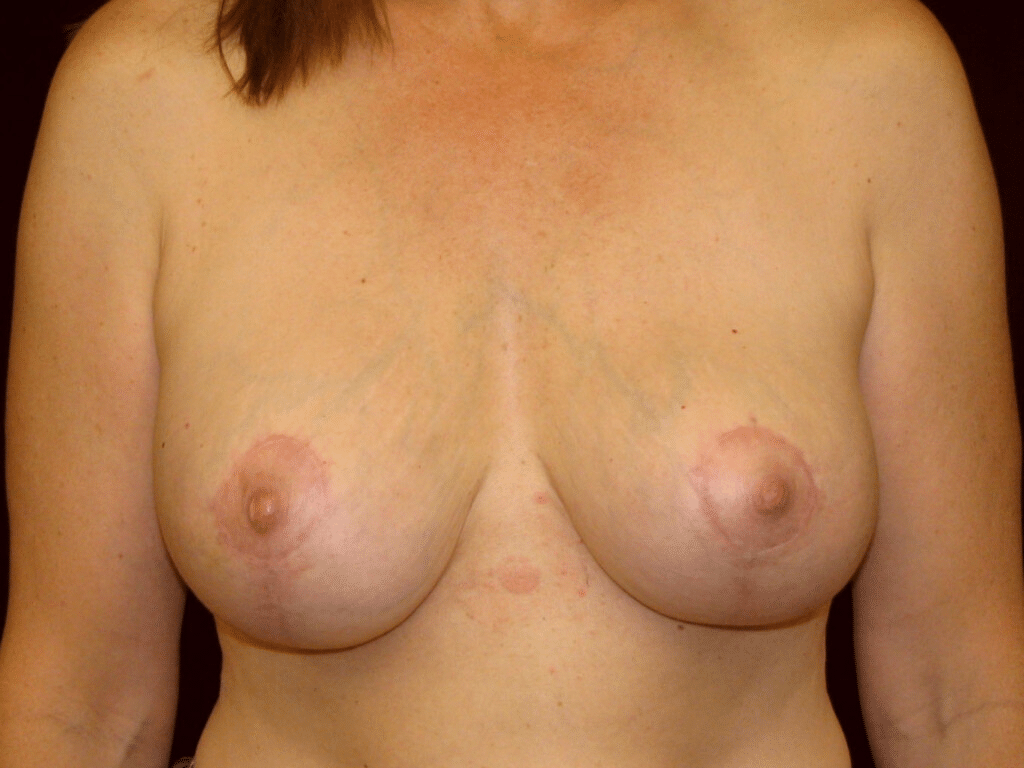
Revision combined with breast lift ranges from $15,000-$22,000-plus and addresses both implant-related issues and sagging breast tissue. This combination procedure provides comprehensive breast rejuvenation, but requires expertise in both implant revision and mastopexy techniques. The extended surgical time and complexity of achieving optimal breast shape and position justify the premium pricing.
Complex revision surgeries addressing multiple complications can cost $18,000-$25,000 or more. These cases could involve severe capsular contracture, implant malposition, asymmetry correction, and tissue reconstruction. The cost reflects the specialized expertise required and the extended surgical time needed to address multiple issues simultaneously.
Breast implant removal with a breast reduction or lift.
Breast reduction is also an alternative or complementary procedure for patients seeking smaller breasts or relief from symptoms related to excessively large breasts.
This type of breast revision has become increasingly popular among aging women. As women age, their breasts may significantly increase in size due to weight gain. In such cases, implant removal combined with a breast lift or breast reduction can effectively fulfill the patient’s goals and preferences.
Additional Procedure Costs
Many breast implant revision surgeries benefit from additional procedures that enhance results, but add to the cost. For example, some patients may have conditions such as juvenile breast hypertrophy, which can impact surgical planning. Understanding these supplementary options helps patients plan comprehensive treatment that addresses all their aesthetic and functional goals.
Fat transfer to enhance breast shape adds $3,000-$5,000 to the total breast implant revision cost. This procedure involves harvesting fat from areas like the abdomen or thighs through liposuction, processing it, and carefully injecting it into the breast to improve contours, correct asymmetries, or enhance the natural feel of implants. Fat grafting can significantly improve breast revision results, particularly in patients with thin breast tissue.
Scar revision treatments may add $500-$2,000 to address visible scarring from previous surgeries. These treatments can include surgical scar revision, laser treatments, or injection therapies to minimize the appearance of previous incisions. Many patients benefit from scar revision as part of their breast enhancement plan.
Pre-operative imaging, including MRI or ultrasound, costs $500-$1,500, but provides essential information about implant condition, capsule formation, and breast tissue health. This imaging is particularly important for patients with older implants or suspected complications, as it guides surgical planning and helps prevent surprises during surgery.
Post-operative massage therapy, while not always necessary, can cost $100-$150 per session and may require multiple sessions. Some surgeons recommend massage to reduce scar tissue formation and optimize healing, particularly after capsulectomy procedures or when preventing future capsular contracture is a priority.
Why Choose Dr. Delgado for Breast Implant Revision?

Dr. Delgado is a premier choice for breast implant revision surgery, having performed over 2,000 breast revision procedures with an impressive 98% patient satisfaction rate. This extensive experience translates to superior outcomes and the ability to handle even the most complex revision cases that other surgeons might find challenging.
Specializing in complex revision cases, Dr. Delgado has developed expertise in addressing severe capsular contracture, implant malposition, and reconstruction following failed previous surgeries. His approach to breast revision surgery combines technical precision with artistic vision, ensuring that patients achieve both functional improvement and aesthetically pleasing results.
Dr. Delgado employs advanced surgical techniques designed to minimize scarring and optimize aesthetic outcomes. His approach to scar tissue management, pocket revision, and implant positioning reflects years of experience and ongoing education in the latest breast revision techniques. This expertise often allows him to achieve results that patients thought impossible after experiencing complications with previous surgeries.
Comprehensive pre-operative planning sets Dr. Delgado apart from many other practitioners. He utilizes imaging technology to predict results and communicate potential outcomes with patients before surgery. This detailed planning process helps ensure that patients understand what to expect and allows precise surgical execution that meets their aesthetic goals.
Dr. Delgado’s commitment to transparency includes detailed cost estimates upfront, with no hidden fees or surprise charges. Patients appreciate knowing exactly what their breast implant revision cost will include, allowing them to make informed financial decisions. Viewing the before-and-after gallery can further help patients understand the quality of results. This is supporting this honest approach to pricing and reflecting his commitment to patient satisfaction and ethical practice.
The combination of extensive experience, advanced techniques, and patient-focused care makes Dr. Delgado an excellent choice for patients requiring breast implant revision surgery. His expertise often allows him to achieve excellent results in cases where other surgeons have struggled, making him a sought-after specialist for complex breast revision procedures.
Dr. Delgado’s Breast Inplant Revision Expertise

Dr. Delgado’s qualifications establish him as a true expert in breast implant revision surgery. His board certification by the American Board of Plastic Surgery since 2005 demonstrates his commitment to maintaining the highest standards of plastic surgery practice and staying current with evolving techniques and safety standards. Learn more about Dr. Delgado and his specialized gynecomastia surgery practice.
Advance training in aesthetic and reconstructive breast surgery provided Dr. Delgado with specialized knowledge that goes beyond general plastic surgery training. This focused education in breast surgery techniques, complications management, and revision procedures gives him insights that many general plastic surgeons lack.
The combination of formal training, extensive experience, research contributions, and peer recognition establishes Dr. Delgado as a premier choice for patients seeking breast implant revision surgery. His expertise is particularly valuable for complex cases that require innovative solutions and meticulous surgical technique.

Insurance and Financing Options
nsurance coverage for breast implant revision depends primarily on whether the procedure is considered medically necessary or purely cosmetic. Medical insurance may cover 60-80% of costs when documented complications like implant rupture or capsular contracture cause pain or functional problems, making coverage determination crucial for managing your breast implant revision cost. It is important to check with your insurance company to determine exactly what is covered under your plan.
Medical insurance generally covers necessary revisions when specific criteria are satisfied, particularly in cases of breast reconstruction following breast cancer. Documented implant rupture with medical imaging evidence. Grade III or IV capsular contracture causing pain or deformity may be covered. In these cases, the insurance will pay for the removal for medical reasons, but not for the implant replacement.
Functional impairment often qualifies for coverage, especially when revision surgery is required. Additionally, implant manufacturers may offer reimbursement options.
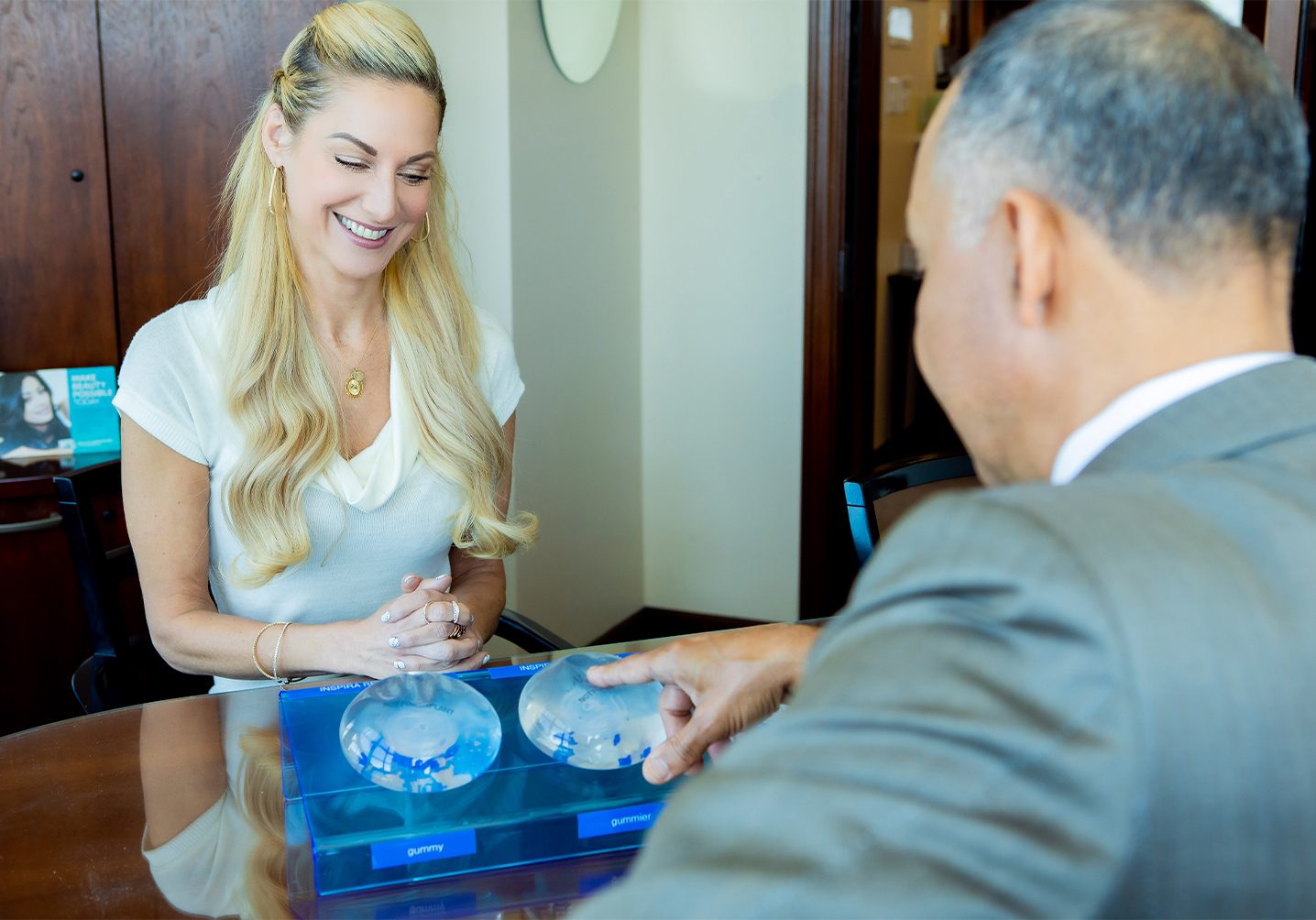
The Allergan Warranty Covered Events: The”Gummy Bear” company.
The Allergan Warranty applies only to the following covered events (each a “Covered Event”) if they require surgical intervention: (a) For NATRELLE® Silicone-Filled Breast Implants: (i) rupture of Allergan Silicone-Filled Breast Implants due to crease fold failure; or (ii) loss of shell integrity from unknown cause; or (iii) removal of implants for capsular contracture Baker grade III/IV (product replacement only within ten years of augmentation surgery); or (iv) removal of implants for late seroma (product replacement only within ten years of augmentation surgery). (v) BIA-ALCL diagnosis
Breast implant replacement is often included in insurance coverage when it is medically necessary due to these complications. Working with experienced surgeons like Dr. Delgado helps ensure proper documentation for insurance claims.
Cosmetic revisions for size changes, aesthetic improvements, or patient preference typically receive no insurance coverage, making these procedures entirely self-pay. However, many patients find that improved comfort and appearance justify the investment in breast implant revision surgery, particularly when addressing long-standing concerns about their breast augmentation results.
CareCredit financing provides an excellent option for managing breast implant revision costs, offering 0% interest for 12-24 months on qualified applications. This healthcare financing allows patients to spread the cost of their procedure over manageable monthly payments, while accessing the care they need immediately. Many plastic surgery practices accept CareCredit and can help patients apply during their consultation.
Many surgeons offer practice payment plans that allow spreading breast implant revision costs over 6-12 months without involving third-party lenders. These arrangements provide flexibility for patients who prefer to work directly with their surgeon’s office. Dr. Delgado’s practice offers various payment options to make breast revision surgery accessible to qualified patients.
Health Savings Account (HSA) funds can be used for medically necessary breast implant revisions, providing tax advantages for patients who maintain these accounts. Using HSA funds for qualified medical expenses can effectively reduce the net cost of medically necessary revision procedures by tax savings.
Insurance Coverage Criteria
Understanding specific insurance coverage criteria helps patients prepare appropriate documentation and maximize their chances of obtaining coverage for medically necessary breast implant revision procedures. Insurance companies typically require clear evidence that revision surgery addresses medical complications, rather than cosmetic preferences.
Documented implant rupture represents the most straightforward path to insurance coverage, particularly when medical imaging like MRI or ultrasound confirms the rupture. Silent ruptures of silicone implants may still qualify for coverage if detected through appropriate imaging studies, even without obvious symptoms. Saline implant deflation is typically easier to document and often receives coverage more readily.
Grade III or IV capsular contracture causing pain, deformity, or functional limitation often qualifies for insurance coverage. These severe grades of contracture involve significant firmness and distortion that can cause physical discomfort and psychological distress. Documentation should include clinical examination findings, photographs, and patient symptom reports.
Infection complications requiring implant removal and replacement typically receive insurance coverage due to the medical necessity of addressing active infection. These cases often require urgent intervention and may involve multiple procedures, making insurance coverage valuable for managing the total cost of treatment.
Implant malposition causing functional impairment, such as interference with arm movement or significant asymmetry affecting psychological well-being, may qualify for coverage depending on the specific insurance policy and documentation. Working with experienced surgeons helps ensure proper documentation and communication with insurance providers.
When Breast Implant Revision is Needed?
Understanding when breast implant revision becomes necessary helps patients recognize early signs of complications and plan appropriately for potential future costs. Statistics show that capsular contracture affects approximately 10-15% of breast implant patients within 10 years of their initial breast augmentation surgery, making it the most common reason for revision procedures. Women typically experience capsular contracture at a rate of approximately 10.6%, underscoring the importance of monitoring for this complication. Fluid buildup is another potential issue that can cause pain and discomfort after breast implant surgery, and may require medical attention to prevent further complications.
Breast Inplant Rupture
Implant rupture rates vary by implant type, with modern silicone implants experiencing 1-2% annual rupture rates, while older saline implants may fail at 3-5% annually. These statistics highlight the importance of regular monitoring and the likelihood that most patients will eventually require some form of breast implant revision during their lifetime.
Breast implant revision due to age related issues.
Aesthetic concerns develop in 20-25% of patients due to aging, weight changes, pregnancy, weight gain, or natural changes in breast tissue over time. While these changes don’t represent medical emergencies, they often motivate patients to undergo breast implant revision surgery to restore their desired appearance and boost their confidence. Weight gain, in particular, can affect the appearance of the breasts and may require additional procedures, such as a breast lift in conjunction with implant revision.
Age-related changes to breast tissue and skin often require combining implant revision with procedures like breast lift to achieve optimal results. As patients mature, their natural breast tissue may stretch or sag, requiring comprehensive treatment that addresses both implant-related issues and aging changes.
What is implant malposition?
Implant malposition occurs in 5-8% of cases, often developing within the first two years after initial surgery. This complication can result from inadequate healing, excessive physical activity during recovery, or surgical technique factors. Early recognition and treatment of malposition often lead to better revision outcomes.
Size change requests account for 30% of revision surgeries, reflecting changing patient preferences, lifestyle factors, or dissatisfaction with original implant size choices. Many women find that their aesthetic preferences change over time, leading them to seek revision surgery to achieve their current ideal breast size and shape.
Common Revision Indications
Several specific conditions commonly prompt patients to seek breast implant revision surgery, with visible rippling or wrinkling representing a frequent concern, especially in patients with thin breast tissue or insufficient natural breast coverage. This cosmetic issue can significantly impact patient satisfaction, and often requires implant exchange or additional procedures like fat grafting.
Bottoming out occurs when breast implants drop below the natural breast crease, creating an unnatural appearance and potentially causing discomfort. This complication may result from inadequate surgical technique during initial surgery, excessive implant weight, or poor tissue healing. Correction requires precise pocket reconstruction and often implant replacement.
Symmastia, sometimes called “uniboob,” involves implants positioned too close to the midline, creating the appearance that the breasts connect across the chest. This complication can result from over-dissection during initial surgery or implant migration over time. Correction requires careful pocket revision and may involve implant replacement with smaller devices.
Double bubble deformity creates an unnatural breast contour, with the implant visible as a separate bulge below the natural breast tissue. This complication often occurs when implants are placed below the natural breast crease or when breast tissue fails to adapt properly to implant placement. Surgical correction involves repositioning the implant, and often requires additional procedures to achieve natural breast shape.
These complications demonstrate why choosing an experienced surgeon for both initial breast augmentation and any necessary revision procedures is crucial for achieving optimal long-term results.
Recovery and Additional Costs
Recovery from breast implant revision surgery typically spans 2-4 weeks, with gradual return to normal activities depending on the complexity of the procedure and individual healing patterns. However, the initial recovery period is generally about 1-2 weeks, during which patients should prioritize rest and follow their surgeon’s post-operative care instructions. Understanding recovery expectations helps patients plan time off work and budget for additional costs associated with the healing process.
Additional costs beyond the surgical fee include prescription medications ranging from $100-$200 for pain management and infection prevention. Antibiotics and pain medications are essential for safe recovery, and should be factored into the total cost of breast implant revision surgery. Some patients may require additional medications if complications arise or healing progresses slowly.
Special post-surgical bras and compression garments cost $150-$300 and play a crucial role in supporting healing tissues and optimizing final results. These specialized garments are designed to provide appropriate support without interfering with healing incisions. Many surgeons include these garments in their surgical packages, but patients should verify what’s included in their quoted breast implant revision price.
Time off work varies from 1-3 weeks depending on job requirements, with office workers typically returning sooner than those whose jobs involve physical labor. Patients should discuss their work requirements with their surgeon to plan appropriate recovery time. Lost wages during recovery represent an additional cost consideration for many patients.
Potential complications requiring additional treatment occur in less than 5% of breast revision cases when performed by experienced surgeons like Dr. Delgado. However, patients should understand that complications can extend recovery time and potentially increase total costs if additional treatments become necessary. Patients are usually advised to avoid lifting more than ten pounds for at least four weeks after surgery to minimize strain on healing tissues and reduce the risk of complications.
Long-term maintenance costs include periodic imaging every 3-5 years for patients with silicone implants to monitor for silent ruptures. These imaging studies, typically MRI scans, cost $1,000-$2,000 but are essential for maintaining breast health and early detection of potential problems.

Post-Operative Care Costs
Comprehensive post-operative care involves several additional expenses that patients should budget for when planning their breast implant revision surgery. Pain medication and antibiotics typically cost $100-$200 and are essential for comfortable recovery and infection prevention. Some patients may require prescription strength pain medication for several days to weeks.
Compression garments and surgical bras represent an important investment in recovery success, costing $100-$125 for high-quality garments designed specifically for breast surgery patients. These specialized bras provide appropriate support without interfering with healing incisions or causing discomfort. Many patients benefit from having multiple bras to ensure clean options during the healing process.
Lymphatic drainage massage sessions can enhance healing and reduce swelling, with a typical series costing $800-$1,200 total. While not always necessary, many patients find that professional massage therapy accelerates their recovery and improves their comfort during the healing process. Some surgeons specifically recommend massage therapy after complex revision procedures.
Scar treatment products, including silicone sheets, gels, or creams, may cost $50-$100, but can significantly improve the appearance of surgical scars. Early intervention with appropriate scar treatment often produces better long-term cosmetic results. Many surgeons provide specific recommendations for scar care products based on their experience with different options. Dr. Delgado has a scar management program and is included in the fees.
Follow-up appointments with Dr. Delgado are typically included in the surgical fee, but patients should verify what follow-up care is included in their breast implant revision cost. Some revision procedures may require more frequent monitoring or additional interventions during the healing process.
What are the Potential Complications of Breast Implant Revision?
While breast implant revision surgery can dramatically improve breast shape and address complications from previous procedures, it is important for patients to understand that, like any surgical procedure, it carries certain risks. Being aware of these potential complications allows patients to make informed decisions and work closely with their plastic surgeon to minimize risks and achieve the best possible outcome.
One of the most common complications following breast implant revision is the development of scar tissue, known as capsular contracture. This occurs when the body forms a tight, fibrous capsule around the breast implant, which can cause the breast to feel firm, look misshapen, or even become painful. Severe capsular contracture may require additional revision surgery to remove the scar tissue and restore a natural breast shape.
Another potential risk is another potential risk, especially for women with older breast implants or those who have experienced trauma to the chest. A ruptured implant can lead to changes in breast size, shape, or sensation, and may require prompt implant removal or replacement. Silicone implants and saline implants each have unique signs of rupture, so regular monitoring and prompt attention to changes are essential.
Implant malposition, where the breast implant shifts from its intended position, can lead to asymmetry, unnatural breast contours, or discomfort. Factors may cause this complication, such as inadequate support from the breast tissue, improper implant pocket creation, or weight fluctuations. Correcting implant malposition often involves a more complex revision surgery to reconstruct the implant pocket and restore proper breast shape.
Some patients may experience implant rippling, which appears as visible folds or wrinkles on the surface of the breast. This is more common in patients with thin natural breast tissue or when using larger implant sizes. Implant rippling can affect the appearance and feel of the breast, and may require additional procedures, such as fat grafting or implant exchange, to address.
Other potential complications of breast implant revision surgery include infection, bleeding, and adverse reactions to anesthesia. While these risks are relatively rare, they can impact recovery and require further medical intervention. Following your surgeon’s post-operative instructions—such as avoiding heavy lifting, stopping smoking, and attending all follow-up appointments—can significantly reduce the likelihood of these complications.
It is also important to recognize that the cost of breast implant revision may increase if complications arise, as additional procedures or treatments may be necessary. Health insurance coverage for revision surgery is typically limited to cases of medical necessity, such as implant rupture or severe capsular contracture, so patients should discuss potential costs and coverage with their surgeon during the initial consultation.
Choosing a board-certified plastic surgeon with extensive experience in breast revision surgery is the most effective way to minimize risks and ensure a safe, successful outcome. An experienced surgeon will use advanced techniques to address complications, optimize breast shape, and reduce the likelihood of future revision surgery.
By understanding the potential complications and working closely with a qualified surgeon, most patients can undergo breast implant revision with confidence, knowing they are taking proactive steps to achieve their desired results and maintain their health and well-being.
Schedule a Consutation with Dr. Delgado?
Yes, your consultation with Dr. Delgado is complimentary. This relaxed, patient-focused process is designed to provide personalized care tailored specifically to your individual needs. To begin, you can contact Dr. Delgado’s office via phone 415-898-4161 or an online appointment.. During your initial consultation, Dr. Delgado will conduct a comprehensive evaluation of your medical history, previous breast augmentation procedures, and any complications or concerns you may have. This allows him to develop a customized treatment plan that addresses your specific goals and challenges.
The consultation typically includes a physical examination of your breasts to assess implant condition, breast tissue quality, and any signs of complications, such as capsular contracture or implant malposition. During this process, surgeons will also assess a patient’s medical history and discuss the desired outcomes of the revision surgery. Dr. Delgado will also discuss your aesthetic preferences, desired implant size or shape changes, and any additional procedures you may want to consider, such as a breast lift or fat transfer. He will explain the surgical options available, potential risks, expected recovery, and the associated breast implant revision cost, ensuring you have a clear understanding of the entire process.
Patients are encouraged to bring relevant medical records, implant information, or previous surgical reports to the consultation to facilitate a thorough review. Dr. Delgado and his team are committed to answering all your questions and addressing any concerns, fostering an open and transparent dialogue. This collaborative approach helps build trust and confidence, empowering you to make informed decisions about your breast implant revision surgery.
For patients traveling from outside the local area, Dr. Delgado offers virtual consultations to provide expert guidance and preliminary assessments remotely. This option allows you to connect conveniently and begin planning your revision surgery with confidence, regardless of your location. Once your personalized treatment plan is established, the team will assist you in scheduling the procedure, discussing financing options, and preparing for a smooth surgical experience.
By choosing to consult with Dr. Delgado, you gain access to a highly experienced plastic surgeon known for his meticulous technique and compassionate care, ensuring your breast implant revision journey is as comfortable and successful as possible.
Patient reviews
Outstanding Reviews
Dr. Delgado and his team take great pride in the exceptional reviews they have received throughout the years. They have garnered a remarkable 4.9 rating on Google based on 210 reviews, an impressive 4.7 rating on Yelp with 140 reviews, a commendable 4.8 rating on Real Self from 238 reviews, and a perfect score of 5.0 on Birdeye with feedback from 238 individuals. These platforms are among the most popular review sites available. In recognition of Dr. Delgado’s proficiency in his field, he was voted the best plastic surgeon in San Francisco by San Francisco Magazine for 2022, an accolade that fills him and his staff with immense honor. It is worth noting that Dr. Delgado has extensive experience spanning over three decades, specializing in facelift surgery, specifically in the San Francisco Bay Area.
VOTED BEST PLASTIC SURGEON IN SAN FRANCISCO BY SAN FRANCISCO MAGIZINE.
Breast implant revision surgery offers a highly personalized solution for women seeking to improve the appearance, comfort, or health of their breasts after previous breast augmentation. By understanding the different types of breast implants, the benefits and risks of revision surgery, and the importance of thorough preparation and consultation, patients can make empowered decisions about their breast health. With the expertise of experienced plastic surgeons and advanced implant revision techniques, most patients achieve beautiful, natural-looking results and renewed self-confidence. Whether you are addressing complications, seeking a more natural look, or simply want to feel more comfortable in your own skin, breast implant revision surgery can help you achieve your goals and enjoy lasting satisfaction with your appearance.
Frequently Asked Questions
How long should I wait after initial breast augmentation before considering revision?
The minimum waiting period is 6 months to allow complete healing and scar tissue maturation from your initial breast augmentation surgery. However, most plastic surgeons recommend waiting a full 12 months unless emergency complications arise, such as implant rupture or severe infection. This waiting period allows accurate assessment of final results from your initial surgery, and ensures that any revision procedure can be performed under optimal conditions with mature, stable scar tissue. Before breast implant revision surgery, patients may need to discontinue certain medications and stop smoking to optimize healing and reduce risks.
Can I use my original implant warranty to reduce revision costs?
Most implant manufacturers offer 10-year warranties covering replacement costs for device failure, which can significantly reduce your breast implant revision cost if complications occur within the warranty period. Companies like Mentor and Allergan provide additional assistance programs that may help with surgery-related expenses beyond just implant replacement. However, warranty coverage typically requires documentation of complications by your surgeon, and may not cover cosmetic revisions for size changes or aesthetic preferences.
Is breast implant revision more painful than the original surgery?
Breast implant revision surgery is often less painful than the original procedure, because the implant pocket already exists and tissues have accommodated implants. However, complex revisions involving extensive scar tissue removal or capsulectomy may have similar discomfort levels to initial surgery. Dr. Delgado uses advanced pain management protocols that significantly improve post-operative comfort. Most patients report manageable pain levels that require prescription medication for only 3-5 days.
What happens if I’m not satisfied with my revision results?
Secondary revisions are possible, but should typically be delayed 6-12 months to allow complete healing from the initial revision surgery. Costs for additional revisions are often reduced when performed by the same surgeon who completed your initial revision. Dr. Delgado offers specific guarantees for certain complications that might occur within the first year after surgery, and maintaining open communication during recovery helps address concerns before they become major issues requiring additional surgery.
Can breast implant revision be combined with other procedures to reduce costs?
Combining breast implant revision with procedures like breast lift, tummy tuck, and deep plane facelift can reduce total anesthesia and facility fees compared to performing these surgeries separately. Package pricing for multiple procedures typically offers 10-15% savings on the combined breast implant revision cost. However, combined procedures require longer recovery time, and not all patients are appropriate candidates for multiple simultaneous surgeries due to safety considerations and individual health factors.