
Buccal Fat Pad Removal in San Francisco Bay Area

What Is Buccal Fat? Understanding Cheek Fat and Facial Fullness
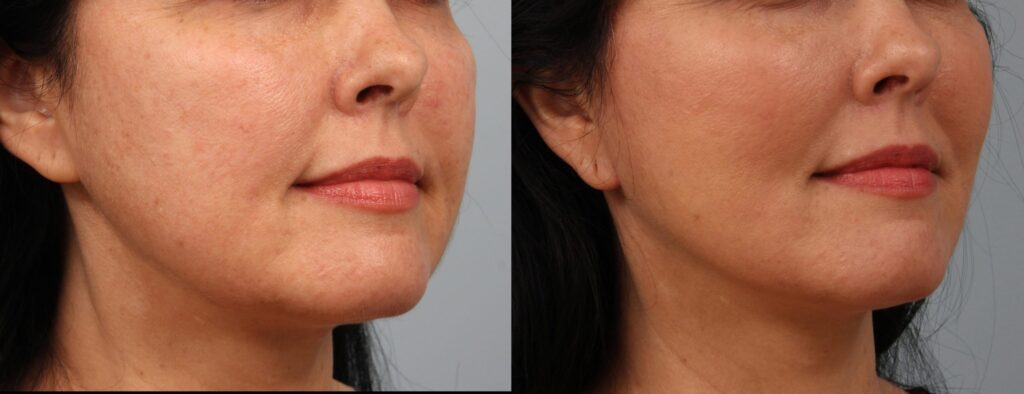
Many patients dislike their “baby face” or “chipmunk cheeks” and prefer a more defined appearance. Buccal fat pads, otherwise known as Bichat’s fat pads, are an anatomical fat structure that supports facial aesthetics, facilitates facial movement, and creates cheek fullness. They are classified as fat tissue and are an essential aesthetic feature in the aging process of the face. Removing fat pads from the buccal region improves cheek projection and the overall sculpted contour of the face, helping achieve the desired facial shape. Buccal fat pads are located within the cheek tissue, and removing fat from this tissue can enhance cheekbone and jawline definition. Removing buccal fat pads highlights the cheekbones and reduces the cherubic appearance of the face.
The buccal fat pads consist of a biconvex fatty structure and can vary significantly in size. Buccal fat consists of a rounded biconvex fatty structure contained in a thin capsule found on the lower cheekbones. These fat pads span from below the forehead, below your lower cheeks, and reach your jawline.
The size of the buccal fat typically decreases as we age. However, some adults retain fullness in their cheeks thanks to buccal fat, giving them a rounded “baby face” that can cause feelings of frustration and self-consciousness surrounding their lack of facial contour.
Patient Satisfaction for Buccal Fat Reduction
RealSelf rates buccal fat pad removal as a 93% “Worth It” rating based on 410 reviews. Most patients report high satisfaction with the aesthetic outcomes of buccal fat removal.
Buccal Fat Anatomy and Function
Buccal fat pads, also known as Bichat’s fat pads, are specialized fat structures located deep within the cheek area. Nestled between the lining of the mouth and the buccinator muscle, as well as the overlying muscles responsible for facial expression, these fat pads play a vital role in both facial aesthetics and movement. The buccal fat pad is unique in that it occupies a space with relatively few blood vessels, making the buccal fat removal procedure both safe and straightforward for skilled surgeons to perform.
The primary function of the buccal fat pads is to provide facial fullness, which is especially noticeable in individuals with a rounder or “baby face” appearance. While this fullness can be desirable in youth, many adults find prominent buccal fat pads obscure their natural facial contours and definition. Understanding the anatomy and function of the buccal fat pad is essential for anyone considering buccal fat removal, as it helps set realistic expectations and ensures the best possible outcome for facial aesthetics.
Why Does Buccal Fat Cause a Round Face?
The buccal fat pads can create the look of facial fullness or fuller cheeks. Buccal fat removal may be considered for individuals of any age group, and can be performed in conjunction with other facial procedures, such as a facelift. Weight gain or loss may affect the size of the buccal fat pads, which can vary in size from a marble to a golf ball.
Some people’s buccal fat can descend with age, contributing to the appearance of jowls. To achieve a nice jawline with a facelift, your plastic surgeon needs to identify the herniated fat pad and remove it. If it is not removed, the jowl will only be partially corrected.
For many people, especially young adults, the full cheeks from childhood remain, and reduction may be indicated. Others are overweight or have a genetic component to this facial feature. These are all reasons for buccal fat reduction surgery, also known as buccal fat pad reduction, which can significantly aid facial contouring.
The Role of Fat Pad in Facial Aesthetics
The buccal fat pad plays a key role in shaping the appearance of your face. When these fat pads are prominent, they can create excess facial fullness, leading to a chubby or rounded appearance that many people associate with a “baby face.” For those seeking a more sculpted facial contour, buccal fat removal—also known as cheek reduction surgery—offers a targeted solution.
By carefully removing excess fat from the cheek area, this procedure highlights the cheekbones and refines the facial profile, resulting in a more defined facial appearance. The reduction of the buccal fat pad not only enhances facial aesthetics but also boosts self-confidence by creating a balanced and harmonious appearance. Whether you’re looking to slim down your cheeks or achieve a more angular facial structure, buccal fat removal can be a transformative step toward your ideal facial contour and facial aesthetics.
Are You a Candidate for Buccal Fat Removal?
An ideal candidate for buccal fat removal in the San Francisco Bay Area is one with prominent zygomatic or cheekbones that are obscured by pronounced buccal fat pads. Such patients tend to have a rounder face shape. Removing buccal fat pads will make the cheeks appear less “chubby” and the cheekbones more prominent, enhancing definition and contour. Many individuals who have undergone buccal fat removal report high satisfaction with the improved aesthetic outcomes.
Ideal candidates should also be at a healthy and stable weight to ensure optimal and lasting results from buccal fat removal. Patients with excess buccal fat often experience frustration with their facial appearance despite weight loss efforts.
Buccal fat removal is not indicated in cases of malar hypoplasia or a flat cheekbone. In these patients, removing buccal fat pads will lead to hollow cheeks. Due to the potential for complications, it is essential to understand that buccal fat removal is not a substitute for augmenting the malar area.
How Buccal Fat Removal Works
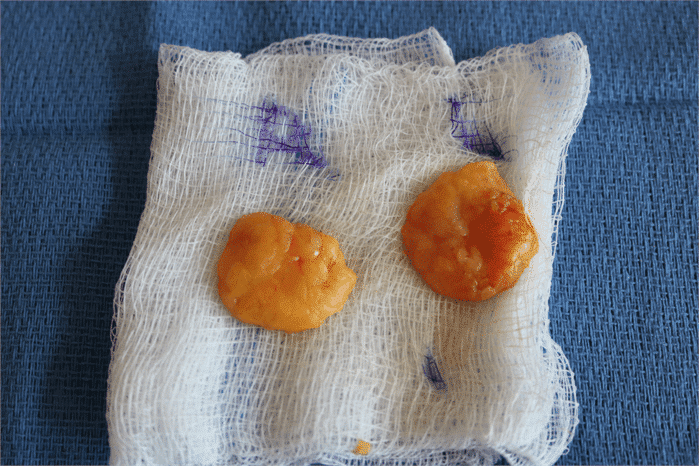
Buccal fat pad removal is a surgical technique that involves removing part of the buccal fat pads to slim down the cheeks. It involves making an incision in the mouth, near the back of the oral cavity, to assess the buccal fat pad. The buccal fat pads can be about the size of a walnut and are removed through a small incision in the mouth. The removed fat cells do not return, so the results of the procedure are long-lasting. As a result, patients may experience a more chiseled and sculpted facial contour. Buccal fat pad removal also enhances facial aesthetics.
Buccal fat removal results are often visible immediately after the procedure, with continued improvement over time as swelling subsides.
Top Benefits of Buccal Fat Removal
Buccal fat removal offers several benefits for individuals seeking a more defined facial appearance. Some advantages of this procedure include:
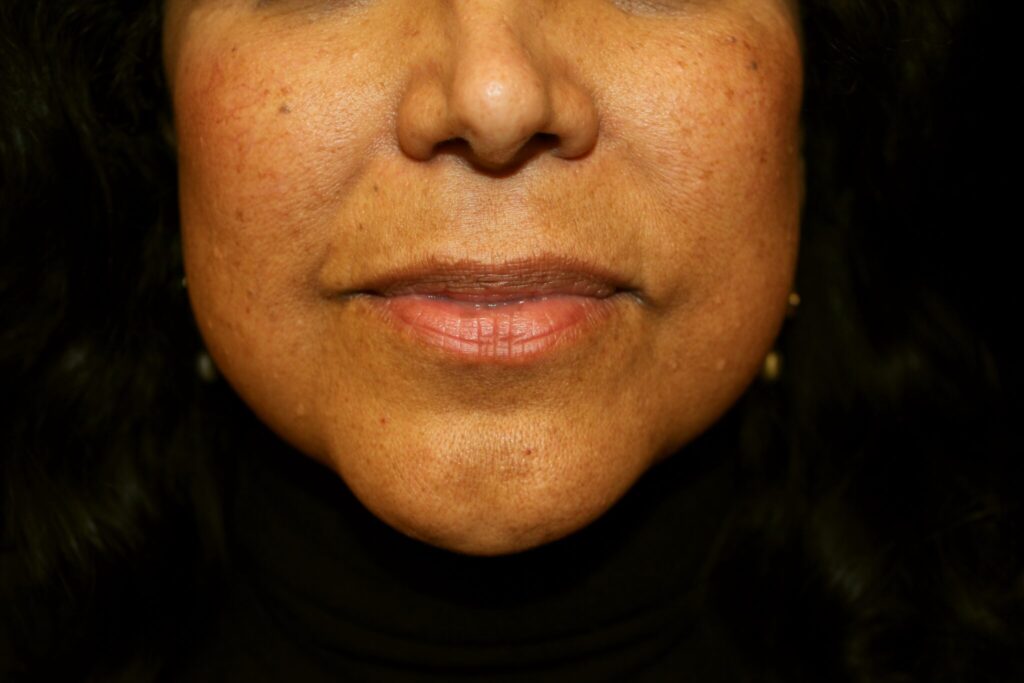
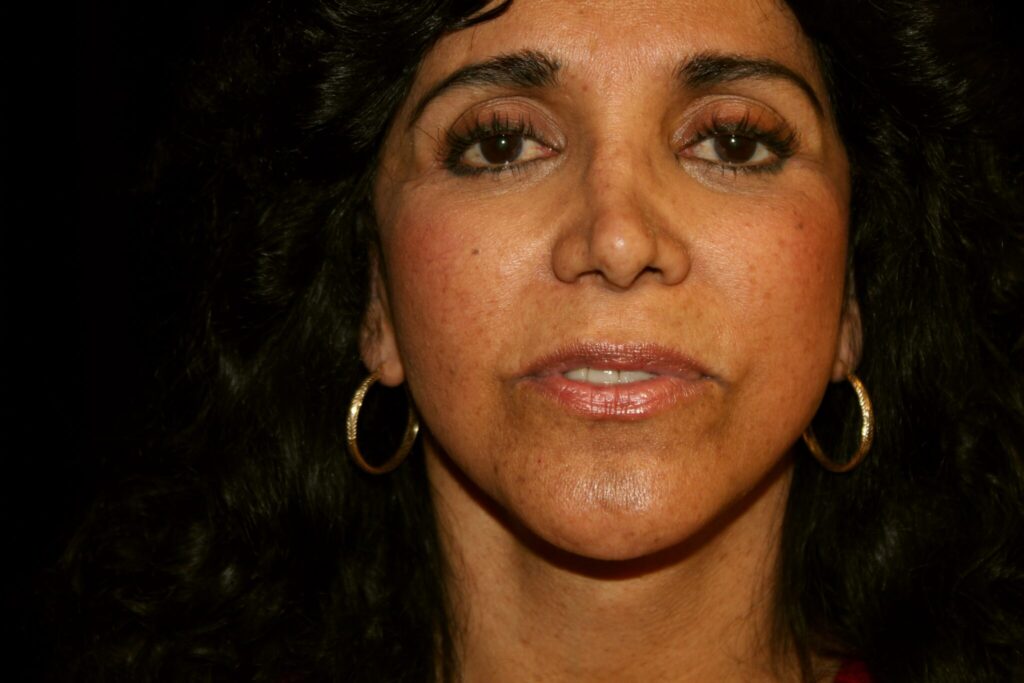
- Improved facial definition: The procedure removes excess fat from the buccal fat pads, resulting in a more defined jawline and enhanced facial contours that refine the overall facial structure.
- Reduced cheek fullness: Buccal fat removal can significantly reduce cheek puffiness, resulting in a slimmer and more youthful appearance.
- Enhanced facial harmony: The procedure helps balance facial features, creating a more harmonious and aesthetically pleasing appearance.
- Long-lasting results: Buccal fat removal yields long-lasting results, making it a worthwhile option for those seeking a more defined facial appearance.
- Customizable: The amount of fat removed can be tailored to each individual’s needs and preferences, ensuring a personalized result that aligns with your aesthetic goals.
- No visible scars: All incisions for buccal fat removal are made inside the mouth, ensuring the procedure leaves no external scars and contributes to a shorter recovery time.
- Most patients experience noticeable improvement in cheek definition within two to three weeks after surgery, as swelling decreases.
Is Buccal Fat Genetic?
Yes, a person can inherit fuller cheeks from their parents due to a genetic predisposition to the presence of fat tissue. A buccal fat pad excision can help resolve this issue. Removing nearly all or a portion of the buccal fat pad creates a more contoured appearance. Cheek reduction surgery in San Francisco is typically performed through incisions inside the mouth, though it can also be done externally during an SMAS facelift or deep plane facelift. Dr. Delgado, a leading plastic surgeon in the San Francisco Bay Area, prefers the intraoral approach, as it carries less risk due to the numerous facial muscles and nerves present on the outside of the face.
Step-by-Step Guide to Buccal Fat Removal Surgery
What Happens During Buccal Fat Removal?
This is a simple three-step procedure to remove round cheeks. It involves making a small incision on the inside of the cheeks.
Step 1 – Anesthesia
Medications are administered during the procedure to ensure your comfort and well-being. Plastic surgery anesthesia options include local anesthesia, intravenous sedation, and general anesthesia. The choice of anesthesia can be tailored to patient preference and comfort. Local injections work well if buccal fat removal is the only surgery performed. The procedure is similar to visiting your physician or dentist, but it is generally less painful in most cases. If buccal fat removal surgery is performed in conjunction with other procedures, such as a facelift, it is typically performed under general anesthesia.
Step 2 – Incision
A one-centimeter incision is made at the inner portion of the cheek toward the back of the oral cavity. The tissue is spread apart to expose the fat pad. The buccal fat pads typically have several lobes that are teased out during the incision. The base of the fat is cauterized to control bleeding. This procedure results in minimal scarring.
It is possible to remove the buccal fat pad during a facelift by making incisions on the outside of the face, rather than inside the mouth.
Step 3 – Closure Of The Incisions
Sutures are used to close the small incision inside the mouth. A qualified plastic surgeon, such as Dr. Delgado, typically uses absorbable sutures; however, each doctor performs the procedure differently. During the healing process, you should follow a liquid diet or eat soft foods for 24 hours. Light pain pills and antibiotics are often prescribed.
Step 4 – Results
After your buccal fat removal surgery, you will achieve a slimmer, more contoured cheek, specifically in the cheek hollow area.
Patients can expect continued improvement in facial contour as swelling subsides and tissues settle over time.


How to Prepare for Buccal Fat Removal – Key Steps Before Surgery
To ensure a smooth and successful buccal fat removal procedure, it’s essential to prepare properly. Here are some steps to take:
- Consult with a qualified surgeon: Schedule a consultation with a board-certified plastic surgeon to discuss your goals and determine if buccal fat removal is appropriate for you. This is a crucial step to ensure realistic expectations and a clear understanding of the procedure.
- Stop smoking: Smoking can increase the risk of complications during and after surgery. It’s recommended to quit smoking at least two weeks before the procedure to promote better healing.
- Avoid certain medications: Inform your surgeon about any medications you’re taking, including blood thinners, and follow their advice on which medications to avoid before the surgery.
- Length of surgery: The surgery takes less than 1 hour to complete, making buccal fat removal an efficient outpatient procedure.
- Recovery plan: Arrange for someone to drive you home after the procedure and have a friend or family member assist with daily activities during the recovery period. This support can be invaluable in the days immediately following surgery. Recovery from buccal fat removal is typically straightforward, with most individuals resuming daily activities within a few days.
- Follow preoperative instructions: Your surgeon will provide specific instructions prior to the procedure. Adhere carefully to these guidelines to ensure a smooth and successful outcome.
The Importance of a Qualified Surgeon for Buccal Fat Removal
Selecting a highly qualified and experienced surgeon is one of the most important decisions you’ll make when considering buccal fat removal. A board-certified plastic surgeon with specialized expertise in facial contouring procedures will deep understand buccal fat anatomy and the latest surgical techniques, ensuring your buccal fat removal procedure is both safe and effective.
A skilled surgeon will take the time to develop a personalized treatment plan tailored to your unique facial structure and aesthetic goals. This level of expertise not only minimizes risks but also maximizes your chances of a successful recovery and optimal results. Before moving forward, it’s wise to consult with multiple surgeons, review their credentials, and ask about their experience with buccal fat removal. By choosing a board-certified plastic surgeon, you can feel confident that you’re in the best hands for achieving your desired facial contour and enjoying a smooth, successful recovery.
Buccal Fat Removal Recovery Timeline & Aftercare
Buccal fat pad recovery involves several stages that patients should be aware of to ensure a smooth healing process. Immediately after the surgery, it is common to experience some swelling and discomfort in the cheek area. This is a regular part of the healing process, and typically subsides within a few days. To manage discomfort, Dr. Delgado can prescribe pain medication; it’s essential to follow his guidance on dosage and frequency. Applying cold compresses to the cheeks during the initial recovery phase can also help reduce swelling and improve comfort.
During the first 24 hours after surgery, patients are usually advised to maintain a liquid diet or consume soft foods to minimize strain on the incision sites inside the mouth. After the initial 24-hour time period, patients should continue to avoid vigorous chewing or hard foods that could disrupt the healing process. Additionally, good oral hygiene is crucial in preventing infections. Dr. Delgado will recommend using a gentle mouthwash or rinsing with salt water to keep the area clean and healthy. Patients typically resume normal activities within one to two weeks after buccal fat removal.
Buccal fat removal results can take approximately three weeks to settle as swelling subsides fully.
In the weeks following the procedure, patients should follow up with their surgeon to monitor the healing progress and address any concerns. To prevent undue pressure on the facial area, it’s essential to avoid strenuous activities and heavy lifting for at least a week. Ideally, it’s best to avoid heavy lifting or vigorous exercise for one to two weeks to ensure proper healing. Most patients can expect to resume normal activities within a few days. Still, complete recovery and the final results of the buccal fat pad removal may take several months as the swelling gradually decreases and the facial contours become more defined. As swelling subsides, patients will begin to see the final results of their buccal fat removal.
Overall, buccal fat pad recovery is relatively straightforward, with most individuals experiencing minimal complications when following their surgeon’s post-operative care instructions. The key to a successful recovery is patience and adherence to the recommended guidelines, allowing the body to heal naturally and reveal the desired facial enhancements.
What is the cost of Buccal Fat Pad Removal?
- Average Cost: This represents the average cost of cheek reduction surgery in the United States, as reported by RealSelf.
- $4,599
- Range: $2,000 – $11,500
In San Francisco, the cost range is $4,000 to $5,000.
Buccal fat removal costs depend on your surgeon’s credentials, level of experience, location, and the details of your procedure. Cosmetic procedures are not typically covered by insurance, but most providers accept financing options, such as CareCredit.
The cost of buccal fat removal can vary depending on several factors, including the patient’s anatomy, the surgeon’s experience, the geographic location of the practice, and whether the procedure is performed alone or in combination with other facial cosmetic surgeries. In San Francisco, where demand for facial contouring procedures is high and the cost of living is also high, prices may be higher compared to other regions.
Typically, the total cost includes the surgeon’s fee, anesthesia fees, facility or operating room charges, and any necessary follow-up care. Some patients may also need additional treatments or procedures to achieve their desired facial aesthetics, which can influence the overall cost.
Prospective patients must schedule a consultation with a board-certified plastic surgeon to receive a personalized cost estimate based on their unique needs and goals. During this consultation, the surgeon can discuss financing options, payment plans, and any insurance considerations; however, buccal fat removal is generally considered a cosmetic procedure and is not typically covered by insurance.
While cost is an important consideration, patients should prioritize the qualifications and experience of their surgeon to ensure safe and satisfactory results. Opting for a highly skilled and board-certified plastic surgeon can reduce the risk of complications and enhance the quality of the outcome, making the investment worthwhile.
The cost of buccal fat removal varies based on individual factors, including body type, surgical technique, potential complications, and allergies. Scheduling a consultation is recommended for a detailed and personalized estimate. Understanding the full scope of costs and what they entail will help patients make informed decisions and prepare adequately for the buccal fat removal procedure, ensuring a smooth and successful cosmetic journey.
What Other Procedures Complement Buccal Fat Removal?
Buccal fat pad removal is often combined with other facial cosmetic procedures to achieve a more comprehensive enhancement of facial aesthetics. Other cosmetic procedures can also be integrated into a treatment plan for optimal facial rejuvenation. Some procedures commonly performed alongside buccal fat removal include:
- Facelift or Deep Plane Facelift: A facelift, also known as a rhytidectomy, is a popular procedure that can be combined with buccal fat removal to address sagging skin and deep folds. By lifting and tightening the facial tissues, a facelift complements the slimming effects of buccal fat removal, resulting in a more youthful and rejuvenated appearance.
- Chin Augmentation: Chin augmentation involves the use of implants or fillers to enhance the chin’s projection and balance the facial profile. When combined with buccal fat pad removal, it can help achieve a more harmonious facial structure by accentuating the jawline and cheekbones.
- Rhinoplasty: Rhinoplasty, or nose reshaping surgery, can be performed in conjunction with buccal fat removal to improve facial symmetry and proportion. Adjusting the nose’s shape and size can enhance overall facial balance, particularly when the cheeks are slimmed down.
- Lip Augmentation: Lip augmentation, using fillers or implants, can be paired with buccal fat removal to enhance the fullness and shape of the lips. This combination can create a more defined and attractive facial appearance.
- Eyelid Surgery (Blepharoplasty): Eyelid surgery can be performed in conjunction with buccal fat removal to address drooping eyelids and puffiness, thereby further enhancing overall facial aesthetics. This combination can result in a more refreshed and youthful look.
- Submental liposuction is a cosmetic procedure that removes excess fat from under the chin and neck.
By combining buccal fat pad removal with these and other facial procedures, patients can achieve a more comprehensive transformation, enhancing their facial contours and achieving their desired aesthetic goals.
Buccal Fat Removal Risks & Side Effects – What You Need to Know
As with any surgical procedure, buccal fat removal carries some risks and side effects. These may include:
- Bleeding and hematoma: As with any surgery, there is a risk of bleeding and hematoma (a collection of blood outside the blood vessels). Your surgeon will take steps to minimize this risk.
- Infection: Infection is a risk with any surgical procedure. Your surgeon will administer antibiotics and provide you with care instructions to help reduce this risk.
- Facial asymmetry: If a qualified, experienced plastic surgeon does not perform buccal fat removal, there is a risk of facial asymmetry, where the fat pads are not removed evenly. This can affect the balance of your facial features.
- Nerve damage: There is a risk of nerve damage, which can lead to numbness, tingling, or facial weakness. This is why it is crucial to choose an experienced surgeon. Surgical expertise is essential in minimizing the risk of nerve damage.
- Scarring: The incision sites may leave scars, which can be permanent. However, these are typically well hidden inside the mouth.
It’s essential to discuss these risks and side effects with your surgeon and carefully weigh the potential benefits and risks before undergoing buccal fat removal surgery. This informed approach will help you make the best decision for your aesthetic goals and overall health.
Book Your Free Consultation for Buccal Fat Removal Today!

If you are considering facial and body plastic surgery rejuvenation in San Francisco, Santa Rosa (Sonoma County), or Napa Valley, please call (415) 898-4161 now to schedule a consultation with Dr. Delgado, a board-certified plastic surgeon and facelift specialist practicing in the San Francisco Bay Area and Marin County.
The cost of buccal fat removal can vary depending on individual factors, such as body type, the specific technique used, and potential complications or allergies. A consultation is recommended to receive personalized pricing information.
Travel Patients – Places of Interest in San Francisco
Dr. Delgado welcomes out-of-town patients at both his San Francisco and Novato practices.
Travel patients visiting San Francisco will find many attractions and conveniences tailored to both tourism and medical care, including world-class hospitals, unique cultural neighborhoods, and streamlined travel health services.
Top Attractions for Travel Patients
- Golden Gate Bridge: Iconic landmark and popular for scenic views and photo opportunities.
- Fisherman’s Wharf: Vibrant waterfront district with restaurants, sea lions, shops, and ferry access to Alcatraz Island.
- Alcatraz Island: Infamous former prison with engaging historical tours.
- Chinatown: One of the oldest and largest in North America, great for dining and shopping.
- Haight-Ashbury: Legendary for its history in the Summer of Love, local shops, and eclectic atmosphere.
- Cable Cars: Unique public transport providing quintessential San Francisco experiences as well as practical transit across steep hills.
The area is rich in history, sightseeing, and culture, making it easy for patients traveling to the Bay Area to combine their procedures with a mini-vacation of sorts. San Francisco’s distinct flavor and charm are reflected in its several buildings and sites of great historical importance, including the War Memorial Opera House, the Golden Gate Bridge, Golden Gate Park, North Beach, the Mission District, and Pacific Heights.
Dr. Delgado’s practice is centrally located in the heart of San Francisco, and his staff is happy to recommend top-notch hotel accommodations and transportation for every budget.
Frequently Asked Questions About Buccal Fat Removal
Is buccal fat hard to locate?
Less experienced plastic surgeons often overlook the buccal fat, resulting in unsatisfactory patient outcomes. An expert cosmetic plastic surgeon like Dr. Delgado will know how to navigate the complex anatomy of the face to locate and skillfully remove buccal fat pads.
How long does buccal fat pad removal last?
Buccal fat pad removal is considered a permanent procedure for facial fat. Once removed, facial fat pads typically do not return and may continue to reduce over time as you age. Therefore, it’s essential not to be overly aggressive when deciding how much to remove during your procedure.
Is buccal fat removal surgery painful?
No, the buccal fat removal procedure is not painful. In most cases, it is less uncomfortable than going to the dentist.
Can buccal fat pads be removed naturally?
A person can naturally lose weight, and sometimes, this will affect the buccal fat. In some cases, when a person drops weight to a certain point, the facial fat resolves, and a gaunt appearance may occur. However, not everyone can naturally lose facial fat, making buccal fat removal an appealing option.
Why do people remove the buccal fat pad?
Some people do not find chubby cheeks or a full, round face attractive. Removing facial fat improves facial aesthetics by creating a more angular or sculpted appearance. It also enhances and rejuvenates the cheekbones.
Can you remove buccal fat without surgery?
No, buccal fat can not be removed without surgery. However, loss of body fat can sometimes reduce facial fat, and if you gain weight, it may increase fat in the buccal space. Facial plastic surgery, also known as plastic reconstructive surgery, is an effective way to eliminate unwanted buccal fat.
What is the cost of buccal fat removal?
The cost of buccal fat removal is $5,000, which includes all applicable fees and charges. This covers the surgical fee, anesthesia, and facility costs.
Does buccal fat removal slim your face?
Yes, this is the primary purpose, and why buccal fat pad reduction has become so popular. It creates a more angular face and cheek line.
Buccal fat removal near me?
Miguel Delgado, M.D.
Expertise and artistryDr. Miguel Delgado at 450 Sutter St in San Francisco is renowned for buccal fat pad removal and other cosmetic procedures. Reasons to choose Dr. Delgado include:
- Board-certified expertise with over 30 years of plastic surgery experience and an outstanding training background, including residencies at Johns Hopkins and Stony Brook.
- Multiple accolades, named Top Plastic Surgeon by San Francisco Magazine, Modern Luxury, Sonoma Magazine, and Castle Connolly Medical Ltd in recent years.
- Personalized and transparent approach: Dr. Delgado is recognized for his compassionate care, prioritizing patient safety and client satisfaction, and for providing clear, honest communication about procedures and candidacy.
Conclusion
Buccal fat removal is a minimally invasive procedure that can significantly enhance your facial contours, creating a more sculpted and defined appearance. By understanding the anatomy and function of the buccal fat pad, recognizing its impact on facial aesthetics, and prioritizing the expertise of a qualified surgeon, you can make informed decisions about your cosmetic journey. With the guidance of a skilled professional, you’ll be well on your way to achieving a more defined facial appearance, boosting your self-confidence, and enjoying a successful recovery. If you’re ready to address excess fat in the cheek area and improve your facial aesthetics, consult with a board-certified plastic surgeon to learn more about buccal fat removal and take the first step toward your ideal facial contour.