
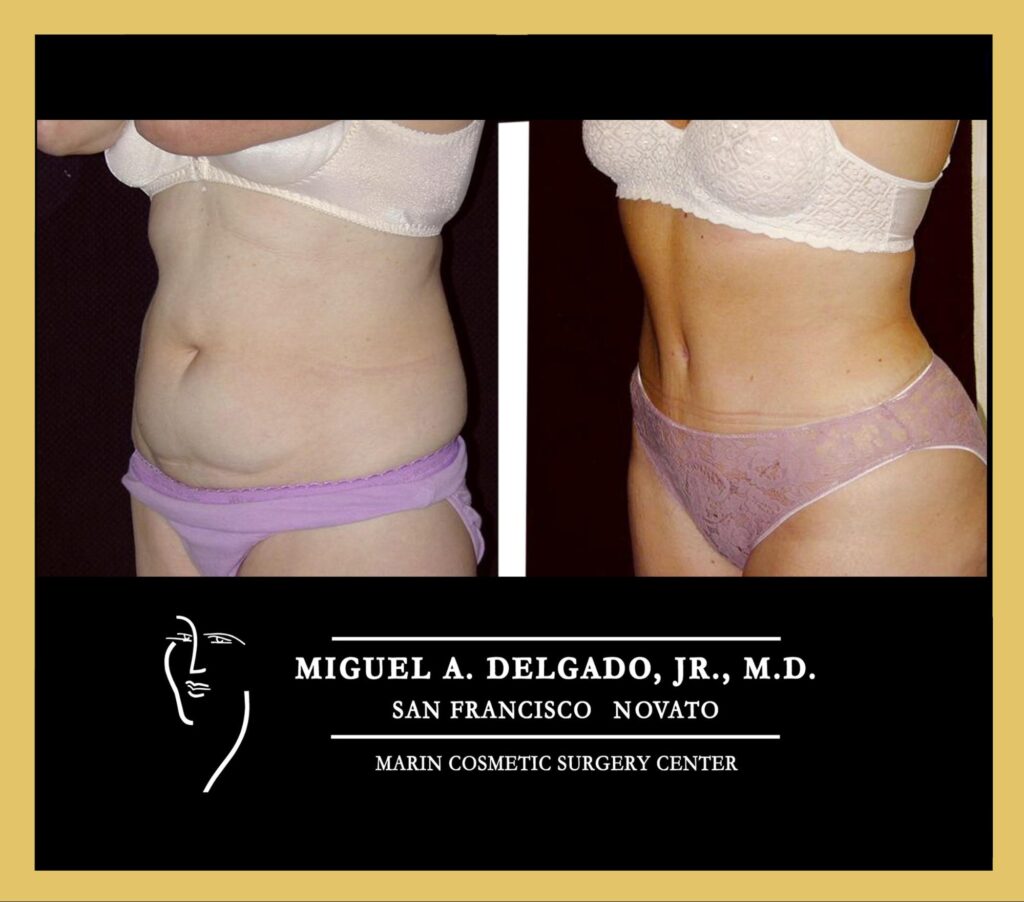
This page compares liposuction and tummy tuck procedures for patients in the San Francisco Bay Area. If you’re researching liposuction or a tummy tuck and wondering which is best for your situation, here’s the straightforward answer: this guide will help you understand the differences, benefits, and ideal candidates for each, so you can decide which option best fits your goals. The best choice between liposuction and tummy tuck can depend on your body type, as well as your goals and expectations. This guide is for individuals considering abdominal contouring surgery, especially those in the San Francisco Bay Area. Choosing the correct procedure can impact your results, recovery, and satisfaction. This guide is designed to help you make an informed decision between liposuction and a tummy tuck.
Key Takeaways
- Liposuction in San Francisco Bay is best for patients with stubborn fat but good skin elasticity and no primary muscle separation.
- A tummy tuck in San Francisco is usually better for women after pregnancy or people after major weight loss who have loose skin and diastasis recti (separation of the abdominal muscles).
- Liposuction removes fat only; it does not fix skin laxity, loose muscles, or stretch marks.
- Future pregnancies and significant weight changes can affect results. Timing and realistic expectations should guide your decision.
- Combining both procedures during one operation is common and can deliver comprehensive abdominal reshaping with a single recovery period.
What Liposuction and Tummy Tuck Have in Common?
Before diving into the differences, it helps to understand what these two popular cosmetic surgery procedures have in common. Both liposuction and tummy tuck surgery are body contouring procedures designed to improve the shape of the abdomen. Neither is a weight loss solution—they’re meant to refine and sculpt areas that don’t respond to diet and exercise alone.
Here’s what they have in common:
- Outpatient settings: Both are typically performed in accredited surgical facilities in the San Francisco Bay Area under general anesthesia, with most patients going home the same day.
- Incisions and scarring: Both involve some degree of incision, which means some scarring is inevitable, though the size and visibility differ significantly between procedures.
- Recovery requirements: Both require downtime, activity restrictions, and commitment to following your surgeon’s post-operative instructions.
- Long-lasting results: Results from either procedure can be permanent, provided you maintain a stable weight and avoid significant weight fluctuations.
- Combination potential: Either can be combined with other plastic surgery procedures, such as breast surgery, in a “mommy makeover”—a combination of methods to restore pre-pregnancy body contours, often including tummy tuck and breast surgery—when appropriate.
- Candidate requirements: Both procedures require good general health, realistic expectations, and a body mass index within a safe surgical range.
Next, let’s look at how each procedure works and its unique benefits.
How Liposuction Works—And Its Limits With Loose Skin
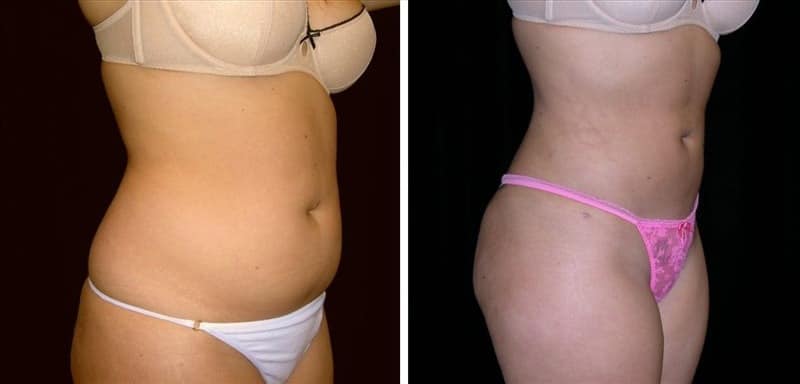
Liposuction is a minimally invasive technique that removes localized pockets of fat. Here’s how the process typically works:
Tumescent liposuction involves injecting a solution of saline, lidocaine, and epinephrine into the targeted area to numb the site, minimize bleeding, and facilitate easier fat removal. Some liposuction procedures, especially for smaller areas, can be performed under local anesthesia rather than general anesthesia.
Liposuction Procedure Steps
- Small Incisions: The surgeon makes small incisions in the targeted area.
- Tumescent Solution Injection: Tumescent liposuction, a technique in which a saline solution containing an anesthetic is injected to reduce bleeding and discomfort, is commonly used in San Francisco.
- Fat Removal: A thin tube called a cannula is inserted to suction out fatty tissue from the targeted area.
- Sculpting: The surgeon shapes the area to achieve smooth, natural-looking contours.
- Closure: Incisions are closed, and a compression garment is applied.
What Liposuction Can Do
Liposuction can:
- Remove stubborn fat deposits that resist diet and exercise
- Slim and contour the stomach area, waist, flanks, and lower abdomen
- Create more defined new contours in patients with good skin elasticity
- Provide permanent results, since fat cells don’t regenerate
What Liposuction Cannot Do
It’s important to note that liposuction only removes fat—it does not tighten skin, repair muscle separation, or remove stretch marks. In fact, if you already have crepey, loose, or hanging abdominal skin, removing the underlying fat can actually make skin laxity look worse.
Ideal Liposuction Candidates
The best liposuction candidates in the Bay Area typically:
- Are close to their goal weight, with a stable weight for at least several months
- Have good skin elasticity, allowing the skin to retract smoothly after fat removal
- Do not have significant abdominal bulging from diastasis recti (separation of the abdominal muscles)
- Have localized fat deposits unresponsive to healthy lifestyle habits
Typical examples include younger adults bothered by a “muffin top,” love handles, or a small lower-belly bulge despite regular strenuous exercise and a balanced diet.
At this point, let’s explore what a tummy tuck (abdominoplasty) can achieve and how it differs from liposuction.
What Can a Tummy Tuck (Abdominoplasty) Do?
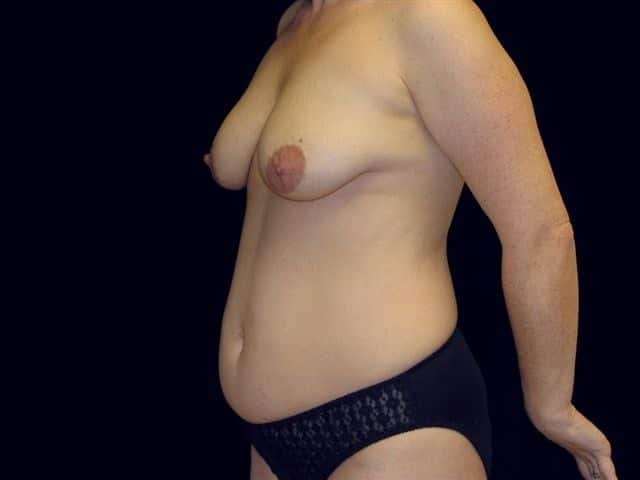
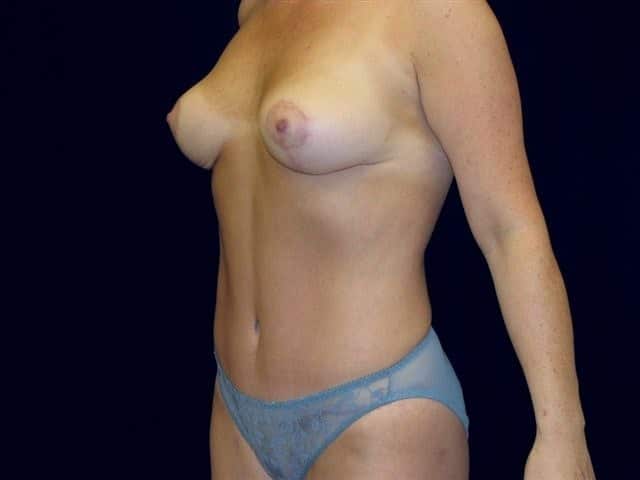
A full tummy tuck, also called abdominoplasty (commonly known as a tummy tuck), is a more extensive surgical procedure that simultaneously addresses several issues. This surgery entails the removal of excess skin and fat from the abdominal region, along with the repair and tightening of the underlying muscles.
Tummy Tuck Surgical Steps
- Incision Placement: Your surgeon creates a low horizontal incision—usually positioned just above the pubic hairline to minimize visible scarring, similar to or slightly longer than a typical C-section scar. The incision site is carefully chosen to reduce visible scarring and to facilitate post-operative care and optimal healing.
- Belly Button Incision: In most cases, a second incision is made around the belly button to allow it to reposition naturally on the tightened abdominal wall.
- Skin and Fat Removal: Loose skin and excess fat are excised from the abdominal region, typically removing the skin between the belly button and the pubic hair.
- Muscle Repair: The separated abdominal muscles are sutured back together to repair diastasis recti (separation of the abdominal muscles).
- Stretch Mark Removal: Stretch marks located on the skin below the belly button may be removed.
- Closure and Contouring: The area is closed and contoured for a flatter, firmer stomach.
Tummy Tuck Recovery
After a tummy tuck, patients can expect:
- Dressings and sometimes small drainage tubes are placed to help remove fluid from the treated area
- An abdominal binder or compression garment is worn for several weeks to support the healing process
- Some pain and discomfort initially, managed with prescribed medication
- Swelling and bruising that gradually subsides over weeks
Recovery milestones include:
| Milestone | Typical Timeline |
| Drainage tubes removed | 1–2 weeks |
| Return to desk work | Typical recovery time is 1–2 weeks. What if I Lose Weight Before or After Breast Reduction? |
| Light walking | Immediately (to prevent blood clots) |
| Driving | When off pain medication |
| Strenuous exercise | 4–6+ weeks |
| Final results visible | 6–12 months |
San Francisco patients should arrange for someone to drive them home and help with daily tasks for the first few days after surgery.
What Makes Tummy Tuck Different From Liposuction
Many San Francisco plastic surgeons combine liposuction with a tummy tuck during the same operation. This allows them to refine the waist and flanks while tightening the front abdominal wall, delivering more comprehensive body contouring in a single procedure.
Below is a comparison table summarizing the key differences and similarities between liposuction and tummy tuck:
| Feature/Consideration | Liposuction | Tummy Tuck (Abdominoplasty) |
| Fat removal | Yes | Yes |
| Skin removal | No | Yes |
| Muscle repair | No | Yes |
| Stretch mark removal | No | Some (on removed skin) |
| Scar size | Small, minimal | Longer, low horizontal |
| Recovery time | 5–7 days | Several weeks |
| Outpatient procedure | Yes | Yes (sometimes overnight) |
| Ideal for | Stubborn fat, good skin | Loose skin, muscle separation |
| Cost | Lower | Higher |
| Risk profile | Lower (includes contour irregularities) | Higher (due to complexity) |
| Visual improvement | Subtle to moderate | Dramatic (for laxity) |
Next, let’s discuss who makes the best candidate for each procedure in the San Francisco Bay Area.
Who Is the Best Candidate in the San Francisco Bay Area?
Understanding who benefits most from each procedure can help you identify which path might be right for you. BMI is an important factor in determining candidacy for both liposuction and tummy tuck procedures.
Best Candidates for Liposuction
Ideal candidates for liposuction typically:
- Are men and women at a stable weight with localized fat deposits
- Have tight, elastic skin that will bounce back after fat removal
- Do not have significant abdominal bulging from muscle separation
- Seek subtle refinement rather than dramatic transformation
- Are non-smokers who are in good health
- May also include patients with lipedema, a condition characterized by abnormal fat accumulation
Best Candidates for Tummy Tuck
Ideal candidates for a tummy tuck include:
- Women after one or more pregnancies (typically in their 30s–50s) with loose or overhanging skin who are considering a tummy tuck
- Patients with visible stretch marks and diastasis recti (separation of the abdominal muscles)
- Anyone who has experienced significant weight loss (40–100+ pounds or more, including after bariatric surgery) and now has extra skin
- People who are bothered by skin rolls when sitting, rashes under skin folds, or a permanent “pooch” despite regular exercise
- Those who have completed their family and are not planning substantial weight loss in the future
If you fall into the second group, liposuction alone is unlikely to achieve the tight, flat abdomen you desire. The presence of excess skin and separated abdominal muscles requires surgical correction that only a tummy tuck can provide.
A board-certified plastic surgeon in San Francisco, such as Dr. Delgado, can assess your skin condition, muscle strength, and fat distribution during a face-to-face examination to recommend the safest and most effective treatment plan. Alternatively, you can also schedule a virtual consultation.
It is also worth noting that hernia repair can sometimes be performed during a tummy tuck procedure.
Now, let’s review the main decision points and practical differences between these two procedures.
Key Differences Between Liposuction and Tummy Tuck
To help you compare the two procedures at a glance, here’s a summary table of the main decision points:
| Primary Focus | Liposuction | Tummy Tuck (Abdominoplasty) |
| What it treats | Stubborn fat only. For those interested in body contouring or enhancing their shape, learning about the ‘drop and fluff’ process after breast augmentation can help set realistic expectations about recovery and results. | Loose skin, muscle laxity, and fat |
| Incision and scarring | Small incisions, minimal scarring | Long, low horizontal scar + navel |
| Recovery time | 3–7 days for desk work, 1–4 weeks for exercise | 2–3 weeks off work, 4–6+ weeks for exercise |
| Cost | Lower | Higher |
| Risks | Contour irregularities, fluid collections, and minor wound healing | All above, plus seroma, blood clots, and more complex wound healing |
| Visual results | Subtle to moderate improvement | Dramatic improvement for laxity |
| Ideal candidate | Good skin elasticity, no muscle separation | Loose skin, diastasis recti, stretch marks |
Next, let’s consider essential factors like future pregnancies, weight changes, and setting realistic expectations.
Factors to Consider: Future Pregnancies, Weight Changes, and Expectations
Timing your procedure correctly and setting realistic expectations are crucial for long-term satisfaction with your results.
Future Pregnancies
Women who are planning future pregnancies are generally advised to delay a tummy tuck. Pregnancy can stretch the skin again and separate the abdominal muscles, potentially reversing the surgical repair. While small, targeted liposuction may be an option before pregnancy for some patients, weight gain and childbirth can still affect results.
Weight Fluctuations
Major weight gain or loss after either procedure can compromise your results:
- After liposuction, remaining fat cells can expand with weight gain, diminishing your new contours.
- After a tummy tuck, weight fluctuations can re-stretch the tightened skin and muscles.
For this reason, most San Francisco surgeons recommend maintaining a stable weight for at least 6–12 months before committing to either procedure. Suppose you’re planning substantial weight loss—whether through lifestyle changes or GLP-1 drugs—complete that journey first. If you have concerns such as stretch marks, it’s essential to understand that breast reduction surgery may impact their appearance depending on various factors.
Setting Realistic Expectations
Both procedures can help flatten and contour the abdomen, but neither will deliver a “Photoshop” effect. You should expect some scarring, experience swelling during recovery, and understand that your final results may take several months to manifest fully.
Take into account your daily activities, work requirements, and caregiving duties when preparing for your recovery. Having realistic expectations about each procedure’s capabilities and limitations is crucial to achieving satisfaction with your results.
Next, let’s look at what to expect from a tummy tuck in San Francisco, including the surgical process and recovery.
Tummy Tuck in San Francisco: What Can I Expect?
If you’re considering a tummy tuck in San Francisco, here’s what the experience typically involves.
Before Surgery
Your surgeon will review your medical history, perform a physical examination, and discuss your body plastic surgery procedures goals. You may need to stop smoking well in advance (most surgeons require you to stop smoking at least 4-6 weeks before and after surgery), adjust certain medications, and arrange for help during your recovery.
Surgery Day
A typical tummy tuck in San Francisco is performed under general anesthesia in an outpatient surgery center or hospital setting. The procedure usually takes 2–5 hours, depending on complexity.
Most patients go home the same day, though some may stay overnight if combined with other procedures, or medical monitoring is needed due to increased risk factors.
Early Recovery
After surgery, you can expect:
- Dressings and sometimes small drainage tubes are placed to help remove fluid from the treated area.
- An abdominal binder is worn for several weeks to support the healing process.
- Some severe pain and discomfort initially, which can be managed with prescribed medication.
- Swelling and bruising that gradually subsides over several weeks.
San Francisco patients should arrange for someone to drive them home and help with daily tasks for the first few days after surgery.
Next, let’s review when liposuction alone is sufficient and when it may fall short. For those seeking expert care or considering their options, consult a board-certified plastic surgeon like Dr. Miguel Delgado.
Liposuction in the San Francisco Bay Area: When Is It Enough?
Liposuction in the San Francisco Bay Area is often performed as an outpatient procedure with a quicker recovery than a tummy tuck.
The Procedure
Here’s what to expect during liposuction:
- Small incisions are made in the targeted area.
- Tumescent solution is injected to minimize bleeding and discomfort.
- A cannula is used to loosen and suction out fatty tissue.
- The area is sculpted for smooth contours.
- Incisions are closed, and a compression garment is applied.
Many patients return to desk work within a few days to a week, depending on the extent of liposuction and individual healing.
When Liposuction Alone Is Sufficient
Liposuction may be enough if:
- Your main complaint is a small to moderate bulge of fat
- You have smooth, firm skin when standing and bending
- You don’t have significant loose skin or muscle separation
- You’re looking for refinement rather than dramatic change
When Liposuction Falls Short
If you already have crepey, sagging skin, or a hanging “apron” of excess skin, liposuction alone is unlikely to achieve a tight, flat look. In fact, removing the fat may accentuate the laxity.
In borderline cases, surgeons in the Bay Area may recommend a combination approach or staged surgeries. Some patients opt for a mini tummy tuck, which addresses less extensive skin excess, combined with liposuction for comprehensive contouring.
Next, let’s discuss the benefits of combining liposuction and a tummy tuck for optimal results.
Combining Liposuction and Tummy Tuck for Best Results
Many San Francisco plastic surgeons perform liposuction and a tummy tuck during the same operation as a combined procedure. This combination allows for:
- Removal of excess fat from the flanks, waist, or upper abdomen
- Tightening of the front abdominal wall
- More seamless results across the entire midsection
The “Mommy Makeover” Approach
This combination is especially popular in “mommy makeover” procedures—a combination of methods to restore pre-pregnancy body contours, often including tummy tuck and breast surgery—after childbirth. Women who have experienced pregnancy frequently deal with changes to multiple areas of their body, and addressing them in one surgery means a single recovery period.
Is Combination Surgery Right for You?
Combining procedures can mean:
- Pros: Single recovery period, comprehensive transformation, potentially lower cost than staged procedures
- Cons: Longer operative time, more planning and medical clearance required, potentially higher risk
Not every patient is a good candidate for combination surgery. Your general health status, body mass index, and surgical safety guidelines will dictate what’s appropriate. Patients who smoke, have uncontrolled medical conditions, or present increased risk factors may need staged procedures instead.
Discuss with your San Francisco surgeon whether staging or combining procedures is safer and more likely to deliver your desired outcome.
Now, let’s walk through how to decide which procedure best matches your goals and expectations.
How to Decide: Matching Procedures to Your Goals and Expectations
Making the correct choice involves honestly assessing your primary concerns and matching them to what each procedure can realistically achieve. Scheduling a consultation with a qualified surgeon can help you discuss your goals and determine whether liposuction or a tummy tuck is best for your needs.
Step 1: Identify Your Top Concerns
Before your consultation, make a list of your main issues:
- Is your main issue extra fat without significant loose skin?
- Do you have loose, hanging skin or an “apron”?
- Are your muscles separated (diastasis recti)?
- Do you have stretch marks you’d like removed?
- If you’re considering surgery, you may want to learn about the purpose of drains after breast reduction surgery and how they aid in recovery.
Step 2: Match Concerns to Procedures
| Primary Concern | Best Procedure |
| Stubborn fat, firm skin | Liposuction |
| Loose skin, normal muscles | Tummy tuck |
| Loose skin + muscle separation | Tummy tuck |
| Fat + loose skin + muscle issues | Combination |
Step 3: Consider Your Goals
- If your main goal is a “smaller waistline and better fit in clothes” with minimal loose skin, liposuction may be a better match.
- If your goal is to “remove the apron of skin” or “fix the post-pregnancy pooch” and improve core support, a tummy tuck is more appropriate.
Step 4: Review Before-and-After Photos
Reviewing before-and-after photos from San Francisco plastic surgeons can help you visualize realistic outcomes. Look for patients with similar body types and concerns to yours.
Step 5: Get a Professional Assessment
The surgeon’s physical exam—pinching the skin, checking muscle tone, reviewing your weight history—is essential in tailoring a safe, effective plan. No amount of online research can replace this hands-on evaluation.
Next, let’s highlight why Dr. Delgado is an excellent choice for your tummy tuck surgery in the San Francisco Bay Area.
Why Is Dr. Delgado an Excellent Choice for Your Tummy Tuck Surgery?
Dr. Miguel Delgado is a highly respected plastic surgeon in San Francisco, specializing in tummy tuck procedures and abdominoplasty. Here are several reasons why he is an excellent choice for patients considering these surgeries:
- Extensive Experience: Dr. Delgado has over 30 years of surgical experience. He has undergone rigorous training, including time spent at esteemed institutions such as Johns Hopkins Hospital and the University of California, San Francisco, where he earned his medical degree.
- Awards and Recognition: He has been recognized by San Francisco Magazine as one of the best plastic surgeons in San Francisco, demonstrating his commitment to excellence and patient care. This accolade reflects his standing among peers and patients alike.
- Patient Satisfaction: Dr. Delgado has received numerous five-star reviews across various platforms. Patients praise his meticulous attention to detail, compassionate care, and impressive surgical results—many share transformative experiences, stating that his work significantly boosted their self-esteem and life satisfaction.
- Personalized Care: Dr. Delgado is known for his customized approach to surgery, meticulously crafting individualized surgical plans for each patient. He places significant emphasis on understanding his patients’ goals and ensuring a supportive environment throughout the process.
- Positive Testimonials: His patients frequently describe him as not only skilled but also as an artist in his craft. They express gratitude for their surgical outcomes, often saying he has changed their lives for the better.
In summary, Dr. Miguel Delgado’s extensive experience, prestigious awards, stellar patient reviews, and personalized approach to surgical care make him an outstanding choice for anyone considering a tummy tuck in the San Francisco area.
To contact Dr. Miguel Delgado for a surgical consultation in San Francisco or Marin County, you can visit his website at dr-delgado.com to schedule a complimentary consultation. The site provides detailed information about its surgical services. Additionally, you can contact us directly via phone at 415-898-4161 for inquiries or to book an appointment. Dr. Delgado is noted for his patient-centered approach and extensive experience in a range of plastic surgery procedures.
Summary: Liposuction or Tummy Tuck—Which Is Best?
The best choice between liposuction and a tummy tuck depends on your individual anatomy, goals, expectations, and specific needs. Liposuction is ideal for those with stubborn fat and good skin elasticity, but no significant loose skin or muscle separation. A tummy tuck (abdominoplasty) is better suited for individuals with loose or excess skin, diastasis recti (separation of the abdominal muscles), or stretch marks—often after pregnancy or significant weight loss. In some cases, combining both procedures provides the most comprehensive results. Consulting with a board-certified plastic surgeon in the San Francisco Bay Area is the safest way to determine which option will best help you achieve your desired outcome.
FAQ
Can I have a tummy tuck if I’ve already had a C-section?
Yes. Many San Francisco patients with prior C-sections have successful tummy tucks. The surgeon often places the abdominoplasty incision low on the abdomen, from one hip toward the other, incorporating or replacing the old C-section scar while removing extra skin and tightening muscles.
How long do results from liposuction or a tummy tuck last?
Results from both procedures can last many years if you maintain a stable weight and a healthy lifestyle. Fat cells removed by liposuction do not regenerate, but remaining cells can enlarge with weight gain. Tummy tuck results can be long-lasting, but significant weight changes or pregnancy can stretch the tissues again, potentially requiring revision surgery.
Will either procedure help with back pain or posture?
Some patients report improved posture and reduced back discomfort after a tummy tuck, because tightened abdominal muscles provide better core support. Liposuction alone usually does not affect posture, as it does not change muscle structure or tighten muscles.
Is there a big difference in scarring between liposuction and a tummy tuck?
Yes. Liposuction usually leaves several small scars (often less than 1 cm) placed in natural creases. A tummy tuck scar is longer and runs low across the abdomen, plus there’s typically a scar around the belly button. Over time, these scars usually fade but never completely disappear. Factors like your body’s natural healing and following post-operative care instructions affect the final scar appearance.
How soon can I exercise after liposuction or a tummy tuck?
The recovery period for each procedure varies. Light walking starts early for both procedures to reduce the risk of blood clots. After liposuction, many patients can resume light exercise in about 1–2 weeks, with more strenuous exercise at 3-4 weeks. After a tummy tuck, strenuous core exercises are usually delayed for at least 6 weeks or longer, based on your surgeon’s specific instructions and how your healing process progresses.
Schedule a Personalized Consultation
If you’re deciding between liposuction and a tummy tuck and want expert guidance based on your anatomy, goals, and lifestyle, a personal consultation is the best next step. Miguel Delgado, M.D. is a board-certified plastic surgeon with over 30 years of experience helping patients in the San Francisco Bay Area achieve natural, balanced abdominal contouring through both surgical and combination approaches.
To learn which procedure is best suited to your needs, call 415.898.4161 or complete our online contact form to request your personalized consultation.