
10 Min Read
- What Is Reduction Mammoplasty (Breast Reduction)?
- Common Symptoms After Breast Surgery
- Case Presentation: Managing Post-Operative Nerve Pain and Spontaneous Resolution After Breast Reduction Surgery
- When to Contact Your Surgeon
- Frequently Asked Questions About Breast Reduction Surgery
- Schedule Your Breast Reduction Consultation in San Francisco

This article explains the common sensations and symptoms you may experience after breast reduction surgery, such as tingling, burning, and shooting pains. This will help women considering or recovering from breast reduction understand what to expect during recovery and when to contact your surgeon. By setting clear expectations, this guide aims to reduce anxiety and empower you with the knowledge you need for a smoother recovery process.
What Is Reduction Mammoplasty (Breast Reduction)?
Breast reduction, or reduction mammoplasty, is a surgical procedure that reduces breast size by removing breast tissue and excess skin from the breasts. Women with large breasts often seek it for relief from back and neck pain, shoulder discomfort from bra straps, skin irritation, sleep disruption, and limits on exercise and other physical activities. A good candidate is often a woman whose breast size and breast weight are affecting her body and overall quality of life, and insurance may cover the procedure when it is medically necessary. In the Bay Area, patients often consult Dr. Delgado, a board-certified plastic surgeon, because a surgeon or doctor must determine candidacy and the best surgical approach. Women considering surgery should first have thorough discussions with their healthcare providers to fully understand the benefits and risks. They should also explore their motivations and expectations to ensure that they prepare for breast reduction in a way that aligns with their personal goals. This proactive approach can lead to more satisfying outcomes and improved quality of life.
Common Symptoms After Breast Surgery
In the healing process after breast reduction surgery, you may experience a range of normal post-surgery symptoms, including:
- Mild discomfort
- Bruising
- Swelling
- Tingling
- Burning pain
- Random sharp-shooting pains
- Nipple pain and sensitivity
These sensations—tingling, burning, and shooting pains—are commonly associated with nerve regeneration. As your body heals, nerves that were affected during surgery begin to recover, which can result in these temporary symptoms. They usually last only a moment but indicate that the nerves are beginning to regenerate.
The procedure is typically performed under general anesthesia, often in an accredited facility, such as Dr. Delgado’s Marin Cosmetic Surgery Center, and recovery often includes one to two weeks of downtime, with initial healing taking a few weeks. Patients are prescribed pain medication and need to follow Dr. Delgado’s instructions closely, which include wearing a surgical bra, avoiding strenuous activities, and waiting for clearance before resuming physical activities.
Patients often report a significant reduction in physical discomfort and greater comfort in their own bodies after recovery. Reduction surgery can lead to:
- Less back and neck pain
- Less skin irritation under the breasts
- Easier exercise
- Improved confidence
- More clothing options
- High satisfaction
A vertical breast reduction creates a lollipop-shaped scar, while an inverted T breast reduction involves a curvilinear scar under the breast. Some patients may be candidates for liposuction breast reduction, depending on their anatomy and goals.
Breastfeeding can be affected by the surgical technique used, and recovery and final results depend on factors such as the amount of breast tissue removed and each patient’s healing response, as shown in before-and-after breast surgery photos that demonstrate different outcomes.
Case Presentation: Managing Post-Operative Nerve Pain and Spontaneous Resolution After Breast Reduction Surgery
This is a 52-year-old patient who underwent a Mommy Makeover. This included a breast reduction, tummy tuck, and flank liposuction. Her post-op recovery was complicated due to nerve sensitivity in the breast. This case presentation reviews this patient’s recovery.
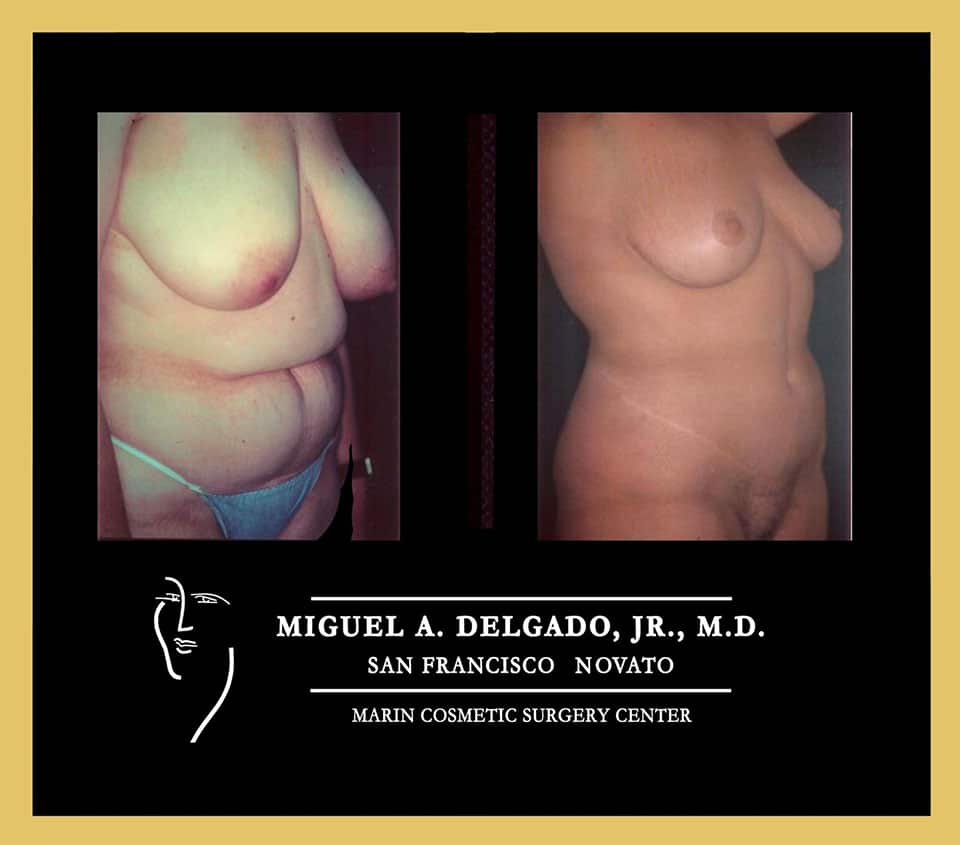
Initial Presentation and Symptoms
This patient, who underwent a successful bilateral reduction mammoplasty, presented at her three-week post-operative follow-up, complaining of new, distinct, and uncomfortable sensations in both breasts. While her initial surgical pain had largely subsided, she began experiencing:
- “Zingers” and Shooting Pains: Sudden, sharp, electric-shock-like sensations that lasted only a second or two but occurred randomly throughout the day.
- Burning and Sensitivity: A persistent, low-grade burning sensation across the lower poles of the breasts and hypersensitivity around the nipple-areola complex, making contact with clothing uncomfortable.
- Fluctuating Numbness: Areas of deep numbness interspersed with zones of extreme sensitivity.
Clinical Assessment: The Nerve Regeneration Process
Upon evaluation, the patient showed no signs of surgical complications, infection, or tissue issues. Her incisions were healing beautifully, with no unusual swelling or redness.
The patient was reassured that these sensations are a hallmark sign of nerve regeneration. During a breast reduction, the tiny sensory cutaneous nerves supplying the breast skin and nipples are inevitably stretched or disrupted. As the surgical swelling goes down and the body repairs itself, these nerves begin to “wake up” and regenerate. Because nerve tissue heals very slowly (typically about 1 millimeter per day), the re-establishment of normal pathways often causes temporary misfires, resulting in tingling, burning, and sudden shooting pains.
The Recovery Trajectory and 6 Month Resolution
The patient was advised to wear a supportive, soft compression garment to minimize friction and friction-induced nerve firing. She was also educated on what to expect so as to lower any anxiety regarding the sensations.
- Weeks 3 to 6: The nerve hypersensitivity and random “zingers” reached their peak frequency, which is entirely normal as regeneration hits its stride.
- Months 2 to 4: The sharp shooting pains began to diminish in frequency, transitioning into occasional tingling and a gradual reduction in the burning sensation.
- Month 6: The nerve pain had spontaneously and completely resolved. Normal, natural sensation had successfully returned to the breast skin and nipples without the need for long-term pain medications or secondary interventions.
Conclusion
This case highlights the importance of patient education during the breast reduction recovery timeline. While temporary nerve pain and hypersensitivity can be alarming to a patient, they are a normal, expected part of the body’s intricate healing mechanism that almost always resolves spontaneously as the tissues fully mature.
When to Contact Your Surgeon
San Francisco Bay Area women considering or recovering from breast reduction should know that redness, swelling, severe or worsening pain, or fever requires medical attention. Several factors can affect how concerning these symptoms are, so contact your surgeon if they develop, as risks include infection and delayed healing, particularly in smokers. Many find reassurance by reading breast reduction patient testimonials from others who have gone through recovery. Scars around the areola and lower breast are a normal part of breast reduction surgery and usually fade with time. Still, they do not disappear completely, and their extent depends in part on whether a significant reduction was required.
Frequently Asked Questions About Breast Reduction Surgery
How long does nerve pain last after a breast reduction?
Nerve pain—often described as tingling, burning, or sudden sharp “zingers”—is a normal part of the healing process after a breast reduction. It signifies that the nerves disrupted during surgery are beginning to regenerate and wake up.
For most patients, this nerve hypersensitivity and shooting pain peak around 3 to 6 weeks post-surgery and typically subsides within a few months. However, it is entirely normal to experience occasional minor nerve sensations or fluctuating numbness for 6 to 12 months as the breasts fully heal and settle.
If your nerve pain becomes unmanageable, is accompanied by sudden swelling or redness, or doesn’t start to improve after a few months, you should contact your plastic surgeon to evaluate your recovery.
What are the first signs of necrosis after breast reduction?
The first signs of tissue or nipple necrosis (tissue death due to a lack of blood supply) after a breast reduction usually appear within the first few days to a couple of weeks post-surgery.
Key early warning signs to look for include:
- Color Changes: The skin or nipple-areola complex changes color. It may initially appear pale or unusually white, then progress to a dusky blue, purple, or mottled gray before eventually turning black or forming a dark scab (eschar).
- Capillary Refill Failure: If you gently press on the tissue, it does not turn white and then quickly pink up again. If it stays pale or remains dark/purple after pressure, the blood flow is compromised.
- Temperature Drop: The affected area feels distinctly cool or cold to the touch compared to the surrounding breast tissue.
- Blistering and Skin Sloughing: Dark, fluid-filled blisters may form on the surface, or the top layer of skin may begin to peel away.
- Discharge and Odor: In later stages, the area may ooze a dark or yellowish fluid and develop a foul odor.
- Changes in Pain: A sudden, localized increase in severe pain can occur, or conversely, the area may become completely numb and lose all sensation if the tissue has died.
If you notice skin turning a dusky purple or black, or if the area feels cold and unresponsive to pressure, contact your plastic surgeon immediately. Early intervention is critical to managing blood flow issues and minimizing tissue damage.
What size breasts can get a reduction?
Breast reduction surgery is not determined by a specific bra cup size, but rather by the proportional physical discomfort and volume of tissue present relative to your body frame. Women of many different sizes—from a D cup to a GG cup and beyond—successfully undergo the procedure.
Instead of focusing strictly on a letter size, plastic surgeons and insurance companies evaluate eligibility based on the following criteria:
1. Physical Symptoms
The primary requirement for a reduction is that the weight of the breasts is causing chronic physical issues, such as:
- Back, neck, and shoulder pain
- Deep grooves or indentations in the shoulders from bra straps
- Chronic skin irritation, rashes, or infections underneath the breast fold (intertrigo)
- Numbness or tingling in the hands and fingers due to nerve compression (brachial plexus traction)
2. Tissue Weight (The Schnur Scale)
If you are hoping to have health insurance cover the procedure, insurance companies use a metric called the Schnur Scale. This calculates the minimum amount of breast tissue (measured in grams) that must be removed based on your total body surface area (BSA).
Generally, insurance companies require the removal of at least 250 to 500 grams of tissue per breast (which roughly equates to a reduction of 1 to 2+ cup sizes) to deem the surgery medically necessary.
3. Cosmetic vs. Medical Reductions
If you are paying out of pocket, there is no strict minimum weight requirement. A surgeon can perform a reduction on a patient with moderately large breasts (such as a full D or DD) who simply feels out of proportion, experiences mild discomfort, or wants a perkier, more lifted appearance.
Ultimately, if your breast size feels disproportionate to your frame and is causing physical strain or impacting your quality of life, you are a potential candidate for a reduction regardless of your exact starting cup size.
Schedule Your Breast Reduction Consultation in San Francisco
If you find yourself considering breast reduction surgery, consider a consultation with Dr. Delgado in San Francisco and Novato, California. At your consultation, he can address any questions and concerns you may have to provide you with a clearer understanding of your procedure.
To schedule your consultation, call his San Francisco office at (415) 989-2221, his Novato office at (415) 898-4161, or fill out the online contact form.