Eyelid Surgery Marin County: Complete Guide to Puffy Eyelids | Blepharoplasty Surgery
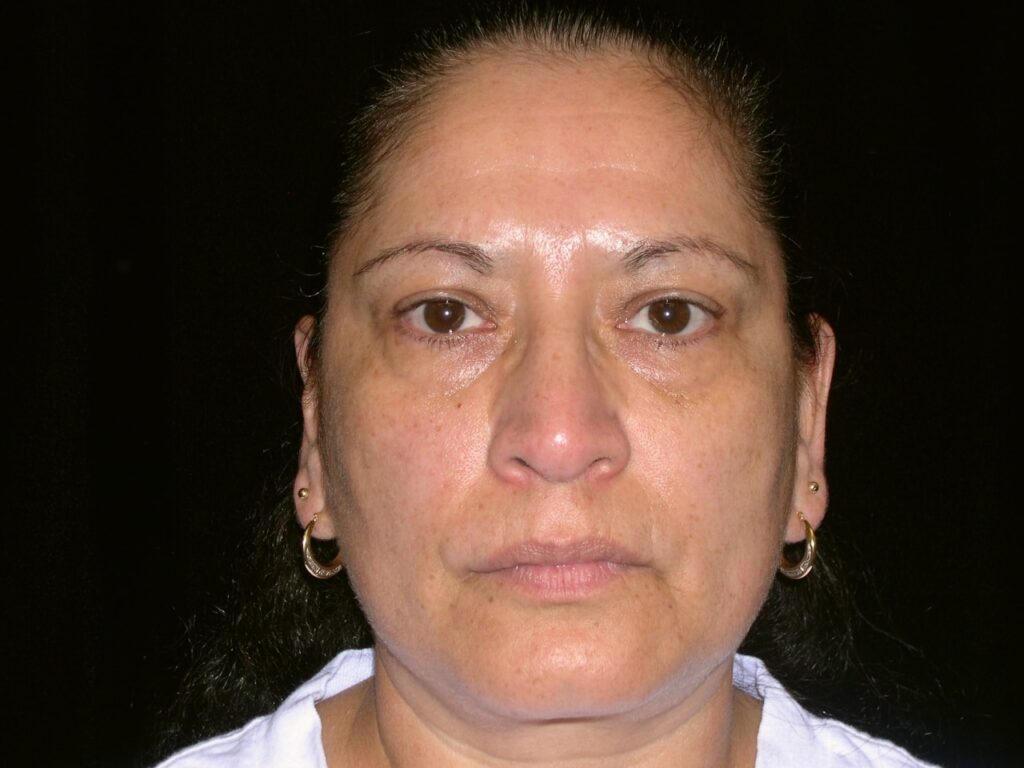
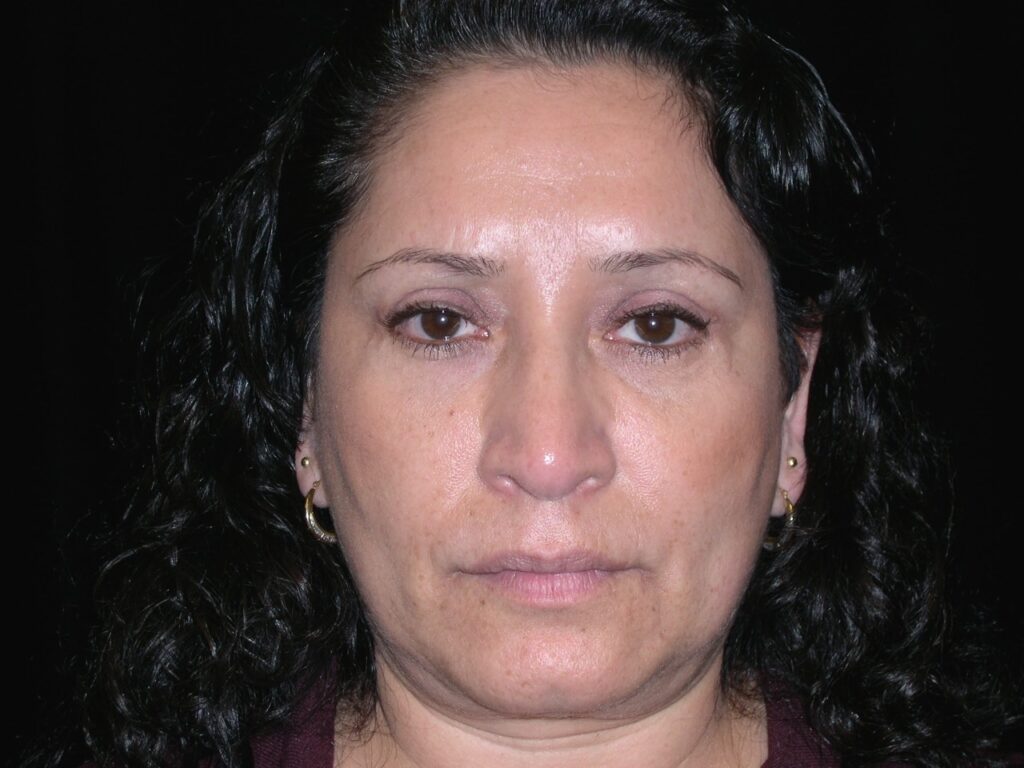
Introduction to Eyelid Surgery
Eyelid surgery, also known as blepharoplasty, is a highly effective surgical procedure designed to rejuvenate the delicate skin around the eyes. Whether performed on the upper eyelid, lower eyelid, or both, blepharoplasty surgery addresses some of the most common signs of aging—such as drooping upper eyelids, excess skin, and fat deposits—that can make you look tired or older than you feel. By carefully removing or repositioning excess skin and fat, eyelid surgery restores a smoother, more youthful contour to the upper eyelids and lower eyelids, helping you achieve a refreshed and alert appearance.
Upper eyelid surgery is particularly beneficial for those experiencing sagging or drooping upper eyelids that may even interfere with peripheral vision. Lower eyelid surgery, on the other hand, targets under-eye bags and puffiness, resulting in a brighter, more rested appearance. For patients seeking comprehensive facial rejuvenation, blepharoplasty can be combined with other procedures, such as a brow lift, facelift, or neck lift, to address multiple areas of concern in a single surgical session.
Whether your goal is to correct functional issues or simply to enhance your natural beauty, eyelid surgery offers a customizable solution that can dramatically improve both your appearance and quality of life. By working with an experienced plastic surgeon, you can develop a personalized treatment plan that addresses your unique needs and delivers natural-looking results.
Key Takeaways
- Eyelid surgery (blepharoplasty) in Marin County removes excess skin, fat, and muscle from upper and lower eyelids (upper or lower, depending on patient needs) to restore a youthful, alert appearance
- Board-certified plastic surgeons like Dr. Delgado offer specialized techniques, including minimally invasive options
- Upper blepharoplasty improves drooping eyelids and vision obstruction, while lower blepharoplasty addresses under-eye bags and dark circles
- Recovery typically takes 7-10 days, with most patients returning to normal activities, though swelling and bruising may persist for 2-3 weeks.
- San Francisco eyelid surgery costs vary based on technique and surgeon expertise, with some medically necessary cases potentially covered by insurance. Eyelid surgery performed for cosmetic reasons is typically not covered by insurance unless it’s deemed medically necessary.
In Marin County’s prestigious cosmetic surgery landscape, eyelid surgery is one of the most transformative procedures for facial rejuvenation. Whether you’re dealing with drooping upper eyelids that obstruct your vision or under-eye bags that make you appear tired, blepharoplasty offers both functional and aesthetic solutions. This comprehensive guide explores everything you need to know about eyelid surgery in Marin County, from choosing the right plastic surgeon to understanding recovery expectations and long-term results.

What is Eyelid Surgery (Blepharoplasty)?
Eyelid surgery, also known as blepharoplasty, is a surgical procedure aimed at rejuvenating the appearance of the upper eyelids, lower eyelids, or both by removing excess skin, fat deposits, and muscle tissue. The procedure is specifically designed to remove excess fat and fat deposits, thereby improving the eyelid contour. This cosmetic procedure addresses the natural aging process that causes eyelid skin to lose elasticity, creating sagging skin, puffiness, loose skin, and wrinkles around the eyes.
The procedure serves dual purposes: cosmetic enhancement and functional improvement. While many patients seek blepharoplasty surgery for aesthetic reasons to achieve a more youthful appearance, others require the surgical procedure to correct drooping upper eyelids that impair their peripheral vision. Blepharoplasty patients often present with concerns such as eyelid drooping, puffiness, and dark circles, and procedures are tailored to their specific needs and anatomical issues. This condition, known as ptosis, can significantly impact daily activities and may qualify for insurance coverage when deemed medically necessary.
Aging, genetics, and environmental factors all contribute to changes in the appearance of the eyelids. Sun exposure, repeated facial expressions, and the natural breakdown of collagen and elastin cause the delicate eyelid skin to stretch and sag over time, resulting in loose skin that contributes to an aged appearance. Fat pads that normally cushion the eyes may shift or protrude, creating the appearance of bags under the eyes or a tired appearance that doesn’t reflect how you actually feel.
Types of Eyelid Surgery in San Marin County
Marin County plastic surgeons, such as Dr. Delgado, offer several specialized approaches to eyelid rejuvenation, each tailored to address specific concerns and anatomical variations, including lower eyelid bags, for an improved appearance.
Upper Blepharoplasty
Upper eyelid surgery focuses on correcting drooping upper eyelids and restoring the natural eyelid crease that may have become hidden by excess skin. During an upper blepharoplasty procedure, the surgeon makes precise incisions along the natural eyelid crease, allowing the removal of redundant skin and excess fat while minimizing visible scarring.
This surgical procedure particularly benefits patients experiencing vision obstruction due to drooping skin that hangs over the lash line. Many patients find that upper eyelid surgery dramatically improves their peripheral vision, while making makeup application easier and more effective. The procedure can be performed under local anesthesia and typically takes one to two hours.
For comprehensive facial rejuvenation, upper blepharoplasty is often combined with a brow lift to address sagging eyebrows that contribute to the heaviness of the upper eyelids. This combination approach, frequently recommended by plastic surgeons, creates more harmonious and natural-looking results by treating the entire upper third of the face.
Lower Blepharoplasty
Lower eyelid surgery targets under-eye bags, dark circles, and excess lower eyelid skin that create a tired or aged appearance. San Francisco plastic. Surgeons employ two primary techniques for lower blepharoplasty: the transconjunctival approach and external incision methods.
The transconjunctival incision
This technique involves making the incision inside the lower eyelid, eliminating external scarring, and reducing the risk of eyelid malposition. This minimally invasive procedure is ideal for patients with good lower eyelid skin quality who primarily need fat repositioning or removal. The external approach, which involves an incision just below the lash line, enables the removal of more extensive lower eyelid skin when necessary.
Modern lower eyelid blepharoplasty
The lower blepharoplasty eyelid surgery
Lower eyelid surgery often emphasizes fat repositioning rather than removal to avoid creating a hollow or “overdone” appearance. Surgeons may also perform canthopexy or canthoplasty to provide additional support to the lower lid and maintain its natural position.
Asian Blepharoplasty (Double Eyelid Surgery)
Double eyelid surgery is a specialized upper blepharoplasty that creates or enhances the eyelid crease in Asian patients. The procedure adjusts muscle attachments and modifies fat placement to deliver natural-looking results that suit the patient’s facial structure.
San Francisco’s diverse population has led to exceptional expertise in Asian blepharoplasty techniques. Skilled plastic surgeons understand the cultural considerations and anatomical variations that require specialized approaches. The procedure is often minimally invasive and performed under local anesthesia, depending on anatomy and desired results. Techniques range from non-incisional methods to full incisional approaches based on individual goals and eyelid structure.
The goal of double eyelid surgery is to create results that look natural and match the patient’s facial features. This approach avoids a “Westernized” appearance that may seem artificial or culturally inappropriate.
Eyelid Crease and Refinement
A well-defined eyelid crease is a hallmark of youthful, expressive eyes. Its refinement is a key part of upper eyelid surgery. The natural eyelid crease usually sits about 7–10 millimeters above the lash line. However, its exact position and shape can vary based on individual anatomy and ethnic background. During upper eyelid surgery, your plastic surgeon will carefully assess your unique eyelid structure. They will create or enhance the natural crease to ensure results that look balanced and authentic.
For patients with drooping upper eyelids, excess skin, or sagging that hides the crease, surgery removes redundant tissue. The surgeon also sculpts the upper eyelid to restore a smooth, natural look. This reestablishes a more open, alert appearance and brings back the crease lost through age-related skin laxity.
In some cases, particularly for those with a monolid or less prominent crease, double eyelid surgery may be recommended. This specialized procedure creates a new, natural-looking eyelid crease to enhance upper eyelid definition with a balanced result. The goal is to refine the eyelid crease in a way that complements your features and avoids an artificial look. It also addresses concerns like drooping upper eyelids and excess skin effectively and conservatively. By focusing on eyelid crease refinement, eyelid surgery can dramatically improve both the aesthetics and function of the upper eyelids.
Leading Marin County Eyelid Surgeon
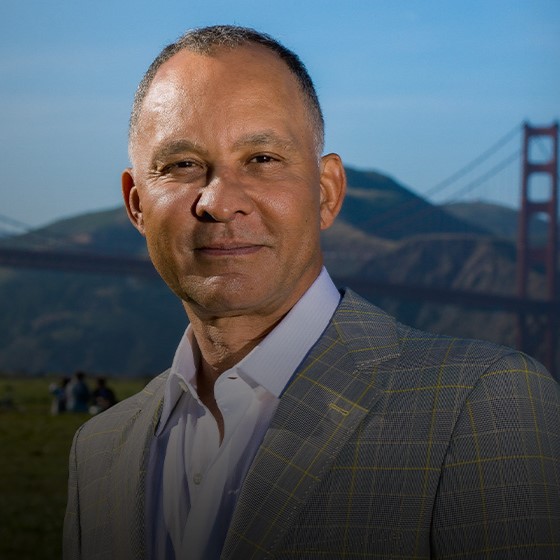
San Francisco boasts some of the nation’s most skilled board-certified plastic surgeons specializing in eyelid surgery. Dr. Delgado, renowned for his expertise in facial plastic surgery, brings extensive training and commitment to natural-looking results. His practice serves patients throughout the San Francisco Bay Area, including Marin, Napa, and Sonoma County.

Ideal Candidates for Eyelid Surgery
Ideal candidates for blepharoplasty include individuals experiencing specific age-related changes around the eyes that impact their appearance or function. Drooping upper eyelids that obstruct vision, persistent under-eye bags that don’t respond to non-surgical treatments, excess eyelid skin that creates a tired appearance, and loose skin are primary indications for surgery.
Most men and women over 35 years old and in good health, though younger patients may benefit from the procedure due to genetic factors or previous trauma. Candidates should have realistic expectations about outcomes and understand that eyelid surgery can dramatically improve appearance, but it cannot stop the aging process entirely.
The evaluation process includes assessment of eyelid skin laxity, tear function, and muscle movement to ensure optimal surgical planning. Patients with dry eye syndrome, thyroid disease, or certain autoimmune conditions may require additional evaluation and treatment before surgery. Those with unrealistic expectations or active substance abuse issues are generally not suitable candidates.
Complex cases involving severe brow ptosis, facial paralysis, or previous unsuccessful eyelid surgery require evaluation by experienced oculoplastic surgeons who can develop comprehensive treatment plans addressing all contributing factors.
The Blepharoplasty Procedure
Pre-Surgery Preparation
Preparation for eyelid lift surgery begins with detailed pre-operative instructions from your plastic surgeon or oculoplastic surgeon. Patients must arrange for transportation to and from the surgical facility and ensure overnight care assistance, as vision may be temporarily impaired immediately after surgery. Patients should arrange for a trusted family member or friend to drive them home after eyelid surgery. Additionally, patients are advised to have someone stay with them for the first night after eyelid surgery.
Medication adjustments are crucial, particularly discontinuation of blood-thinning medications and herbal supplements that could increase bleeding risk. Aspirin, ibuprofen, vitamin E, and fish oil should typically be discontinued two weeks prior to surgery. Patients should also avoid alcohol and smoking, as these can impair healing and increase complication rates.
The surgical planning process involves detailed marking of incision lines and discussion of anesthesia options. Surgeons photograph the eyelids from multiple angles to document pre-operative appearance and guide surgical decision-making during the procedure.
The Day of Your Blepharoplasty Surgery
On the day of surgery, patients can choose from several anesthesia options, depending on the extent of the procedure and personal preference. Local anesthesia with sedation is commonly used for upper blepharoplasty, while more extensive procedures involving both upper and lower eyelids may require general anesthesia for patient comfort and surgical precision.
The surgical techniques vary based on the specific type of blepharoplasty being performed. Upper lid blepharoplasty involves precise incisions along the natural crease, careful removal of excess skin and fat, and meticulous closure to ensure optimal healing. Lower eyelid procedures may use either the transconjunctival incision approach for fat repositioning or external incisions for skin removal.
Surgery duration typically ranges from one to three hours, depending on whether both upper and lower eyelids are addressed and the complexity of the case. Throughout the procedure, the surgical team maintains strict safety protocols to minimize risks and ensure optimal outcomes.
Blepharoplasty Recovery
The immediate post-surgery period requires careful attention to wound care and symptom management. Patients receive specific instructions for applying antibiotic ointments and using cold compresses to reduce swelling and bruising. These measures are most effective when applied consistently during the first 48-72 hours after surgery.
Most patients experience swelling, bruising, tearing, and light sensitivity during the first week of recovery. Initial swelling typically peaks within 2 to 3 days and then gradually subsides. The use of cold compresses, keeping the head elevated while sleeping, and avoiding strenuous activities helps reduce swelling and promote healing. Patients can expect to stay home from work and limit activities for several days after eyelid surgery. Additionally, patients often experience tearing, light sensitivity, and temporary blurring or double vision after eyelid surgery.
Stitches are usually removed after one week for upper lids, though some surgeons use dissolvable sutures that don’t require removal. Most patients can return to work and normal activities after 7-10 days, though some residual swelling and bruising may persist for 2-3 weeks.
Activity restrictions during recovery include avoiding heavy lifting, bending over, and vigorous exercise for at least two weeks. Patients should also protect their eyes from sun exposure and wind during the healing process. Follow-up appointments allow the surgeon to monitor healing progress and address any concerns.

Facial Rejuvenation
Facial rejuvenation is about more than just smoothing wrinkles—it’s about restoring the vibrant, refreshed look that reflects your inner well-being. Eyelid surgery, whether performed on the upper and lower eyelids or as a targeted eyelid lift, is a cornerstone of this process. Because the eyes are often the first area to show signs of aging, addressing issues such as droopy eyelids, under-eye bags, and excess skin can have a profoundly transformative effect on your entire face.
A skilled plastic surgeon will evaluate your unique facial anatomy and recommend a combination of procedures tailored to your goals. For many patients, eyelid surgery combined with a brow lift, lower eyelid lift, or laser resurfacing can provide a more comprehensive facial rejuvenation. These combined approaches not only address sagging skin and signs of aging around the eyes but also enhance the harmony and balance of your facial features.
Whether you’re correcting vision issues or want a younger look, eyelid surgery offers a minimally invasive rejuvenation option. It removes excess skin, firms the eyelid area, and reduces under-eye bags to create subtle, long-lasting results. Your plastic surgeon will guide you through each step and create a safe, effective plan tailored to your goals.
Results and Longevity
Eyelid surgery results become apparent gradually, as initial swelling subsides over 2-3 weeks. The final outcome typically emerges within 2-3 months, when all healing is complete and tissues have settled into their new position. Patients consistently report feeling more confident and receiving compliments about looking rested and alert.
The longevity of blepharoplasty results depends on several factors, including sun protection practices, skincare routine, genetics, and lifestyle choices. While the aging process continues, most patients enjoy their improved appearance for 5-15 years or longer. Upper eyelid results tend to be more durable than lower eyelid outcomes due to anatomical differences.
Many patients choose to enhance their surgical results with non-surgical treatments. Options include Botox for crow’s feet, laser resurfacing to improve skin texture, NovaThreads for lifting and tightening, and dermal fillers to restore volume. These combination approaches, when coordinated by experienced plastic surgeons, can provide comprehensive facial rejuvenation.
Realistic expectations are crucial for patient satisfaction. Eyelid surgery can significantly enhance both appearance and function. However, it won’t erase all signs of aging or achieve unrealistic standards of perfection. The goal is a natural-looking enhancement that complements the patient’s facial features.
Risks and Complications
Like any surgical procedure, blepharoplasty carries certain risks that patients should be aware of before making a decision. Potential complications include lower lid drooping (ectropion), blood accumulation (hematoma), and, extremely rarely, retinal detachment or changes in vision.
Difficulty closing eyes completely (lagophthalmos) can temporarily occur during healing or persist if too much skin is removed. This highlights the importance of selecting experienced surgeons who understand the delicate balance necessary for optimal outcomes. Infection and adverse reactions to anesthesia are also possible, but uncommon.
The most effective way to minimize risks is to select a board-certified plastic surgeon, such as Dr. Delgado, with extensive experience in eyelid surgery. These specialists possess a profound understanding of the intricate anatomy surrounding the eyes and employ techniques that prioritize both safety and aesthetic outcomes.
When complications arise, experienced surgeons have established protocols for management and revision procedures as needed. Most complications are minor and respond well to appropriate treatment. However, patients should be aware of warning signs that may require immediate medical attention.
Cost of Eyelid Surgery in Marin County
The cost of eyelid surgery in the San Francisco Bay Area varies significantly based on the surgeon’s expertise, facility fees, anesthesia costs, and complexity of the procedure. Typical costs for upper blepharoplasty range from $3,000 to $5,000. Lower eyelid surgery usually falls between $4,000 and $7,000. Combined upper and lower procedures may range from $6,000 to $12,000. In the Bay Area, the average cost of upper blepharoplasty ranges from $3,000 to $7,500. Lower blepharoplasty typically starts around $4,000 and can exceed $8,500, depending on the complexity of the procedure.
Several factors can affect the final cost of blepharoplasty. These include the surgeon’s reputation and experience, the location and accreditation of the surgical facility, and whether additional procedures are performed at the same time. Revision surgery or complex reconstructive cases typically cost more due to their technical demands.
Insurance coverage may be available for medically necessary upper blepharoplasty when drooping eyelids significantly impair vision. This requires documentation through visual field testing and photographs demonstrating functional impairment. Purely cosmetic procedures are considered elective and paid out-of-pocket.
Many San Francisco practices offer financing options to help patients manage the cost of their cosmetic procedure. During the initial consultation, patients receive detailed cost estimates that include all associated fees to avoid unexpected expenses.
Financing Options for Eyelid Surgery
Understanding the financial aspect of eyelid surgery is an important part of the decision-making process. Many plastic surgeons recognize that blepharoplasty cost can be a significant investment, and offer a variety of financing options to help make the procedure more accessible. During your initial consultation, be sure to discuss available payment plans and financing solutions tailored to your budget and needs.
Common financing options for eyelid surgery include monthly payment plans, zero-interest financing for qualified applicants, and package deals that combine blepharoplasty with other cosmetic procedures. Some patients may also choose to use credit cards or personal loans to cover the cost of surgery. It’s a good idea to ask your plastic surgeon about any current promotions, discounts, or specials that could help reduce your overall blepharoplasty cost.
Exploring financing options can help you move forward with eyelid surgery or facial rejuvenation without added financial stress. Open communication with your surgeon’s office ensures you understand all costs and choose the payment plan that fits your needs. This makes it easier to achieve the youthful, refreshed look you’re aiming for.
Travel Patients: Places of interest.
Marin County, California, is renowned for its dramatic coastline, ancient redwood forests, charming towns, and extensive protected natural areas. It offers visitors a mix of outdoor adventures, historical sites, and coastal scenery.
If you’re planning a visit, prioritize Muir Woods for redwoods, Point Reyes for coastline and wildlife, and Sausalito for its lively waterfront. Mount Tamalpais offers some of California’s best hiking and panoramic views. For history and family-friendly stops, the Bear Valley Visitor Center and Morgan Horse Ranch in Point Reyes are excellent choices. Angel Island and China Camp offer unique histories and exceptional scenery, while Marin’s towns, such as Mill Valley, Tiburon, and San Rafael, showcase the area’s blend of charm, culture, and access to nature.
Frequently Asked Questions
How long do eyelid surgery results last in Marin County? Eyelid surgery results typically last 10-15 years, though this varies based on individual aging patterns, sun exposure, and lifestyle factors. As aging progresses, most patients remain satisfied with their results for many years. Some may choose minor touch-up procedures to maintain their appearance.
Can I combine eyelid surgery with other facial procedures? Yes, many patients combine blepharoplasty with other procedures, such as facelifts, brow lifts, or non-surgical treatments like Botox and laser resurfacing. Combining procedures can be cost-effective and provide more comprehensive facial rejuvenation, though recovery time may be extended.
What’s the difference between surgical and non-surgical eyelid treatments? Non-surgical options like radiofrequency treatments, ultrasound therapy, and injectable fillers can offer modest improvements for mild concerns. However, they are not effective for treating significant excess skin or fat deposits. Surgical blepharoplasty remains the only definitive solution for moderate to severe eyelid aging and functional problems.
How do I choose the best eyelid surgeon in San Francisco? Look for board certification in plastic surgery or ophthalmology with fellowship training in oculoplastic or facial plastic surgery. Review before-and-after photos, read patient testimonials, and verify that the surgeon holds hospital privileges at accredited facilities. The consultation should be thorough and educational, with clear communication about expectations and risks.
Are there alternatives to traditional blepharoplasty techniques? Modern techniques include laser-assisted surgery and fat repositioning instead of removal. Minimally invasive options, such as the transconjunctival method for lower lids, are also commonly used. However, traditional scalpel techniques remain the gold standard for most cases, particularly when significant skin removal is necessary. Your surgeon will recommend the best approach based on your specific anatomy and goals.
Conclusion
In conclusion, upper and lower eyelid surgery effectively targets excess skin, drooping lids, under-eye bags, and dark circles. By working with a board-certified plastic surgeon, you can create a personalized treatment plan that improves your appearance. It can also resolve functional issues, such as blurred vision and limited peripheral vision caused by sagging upper eyelids.
Eyelid surgery can be performed on its own or as part of a broader facial rejuvenation plan. It delivers natural, long-lasting results that can boost your confidence and improve your overall quality of life. Blepharoplasty has a high success rate, manageable cost, and relatively low risks. These benefits make it one of the most popular and effective facial enhancement options in San Francisco.
If you’re considering eyelid surgery, start by consulting with an experienced plastic surgeon. They can explain your options, outline the recovery process, and help you understand the potential risks and benefits. With expert guidance and a personalized approach, you can achieve a refreshed, youthful look that reflects your inner vitality.