
Silicone Breast Implant Leak Symptoms & Silent Rupture Detection
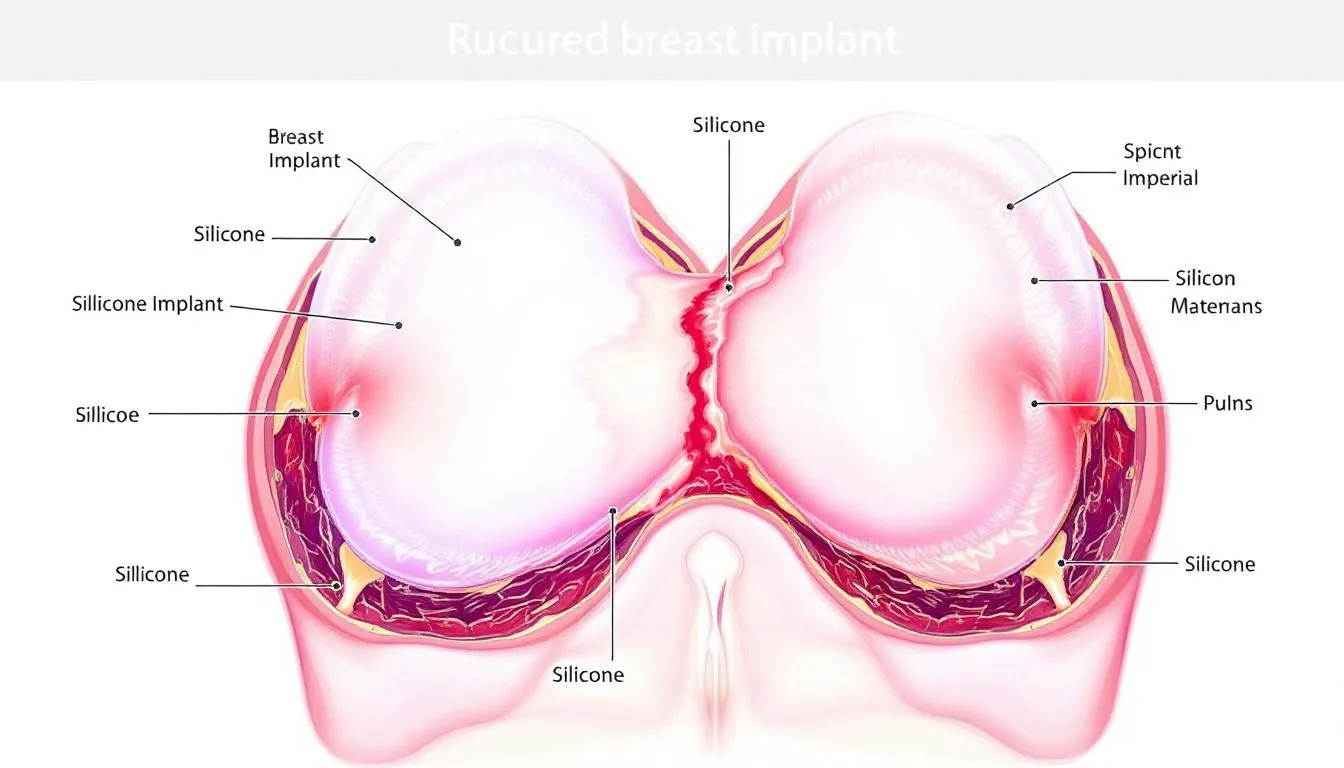
Unlike saline implants that deflate when ruptured, silicone breast implants often leak without any immediate warning signs. When considering saline or silicone implants, it’s important to note that rupture presentation differs significantly between the two types. This phenomenon, known as a “silent rupture,” means thousands of women with silicone breast implants may live with ruptured implants without realizing it. The viscous nature of silicone gel enables it to maintain its initial breast shape, making the detection of a silicone rupture challenging without proper screening.
Understanding silicone breast implant leaks is crucial for anyone who has undergone breast augmentation with silicone implants. Modern cohesive gel implants last significantly longer than earlier versions, but manufacturers do not claim that any breast implant will last a lifetime. The risk of breast implant ruptures increases substantially after the first decade, making awareness and regular monitoring essential for maintaining breast health.
Key Takeaways
- Silicone breast implant leaks are often “silent” with no immediate obvious symptoms, unlike saline implants that deflate quickly.
- Common signs include gradual changes in breast shape, firmness, swelling, pain, and in rare cases, systemic symptoms.
- MRI scans are the gold standard for detecting silicone implant ruptures, with the FDA recommending screening at 3 years post-surgery, then every 2 years
- Leaked silicone gel can migrate to lymph nodes and surrounding tissue, potentially causing long-term complications.
- Surgeons recommend promptly removing ruptured silicone implants to prevent complications and protect breast health.
- Ruptured implants often require additional surgery to remove and replace the damaged implant.
- Modern cohesive gel implants are more durable than older version but are still not lifetime devices.
Introduction to Silicone Implants
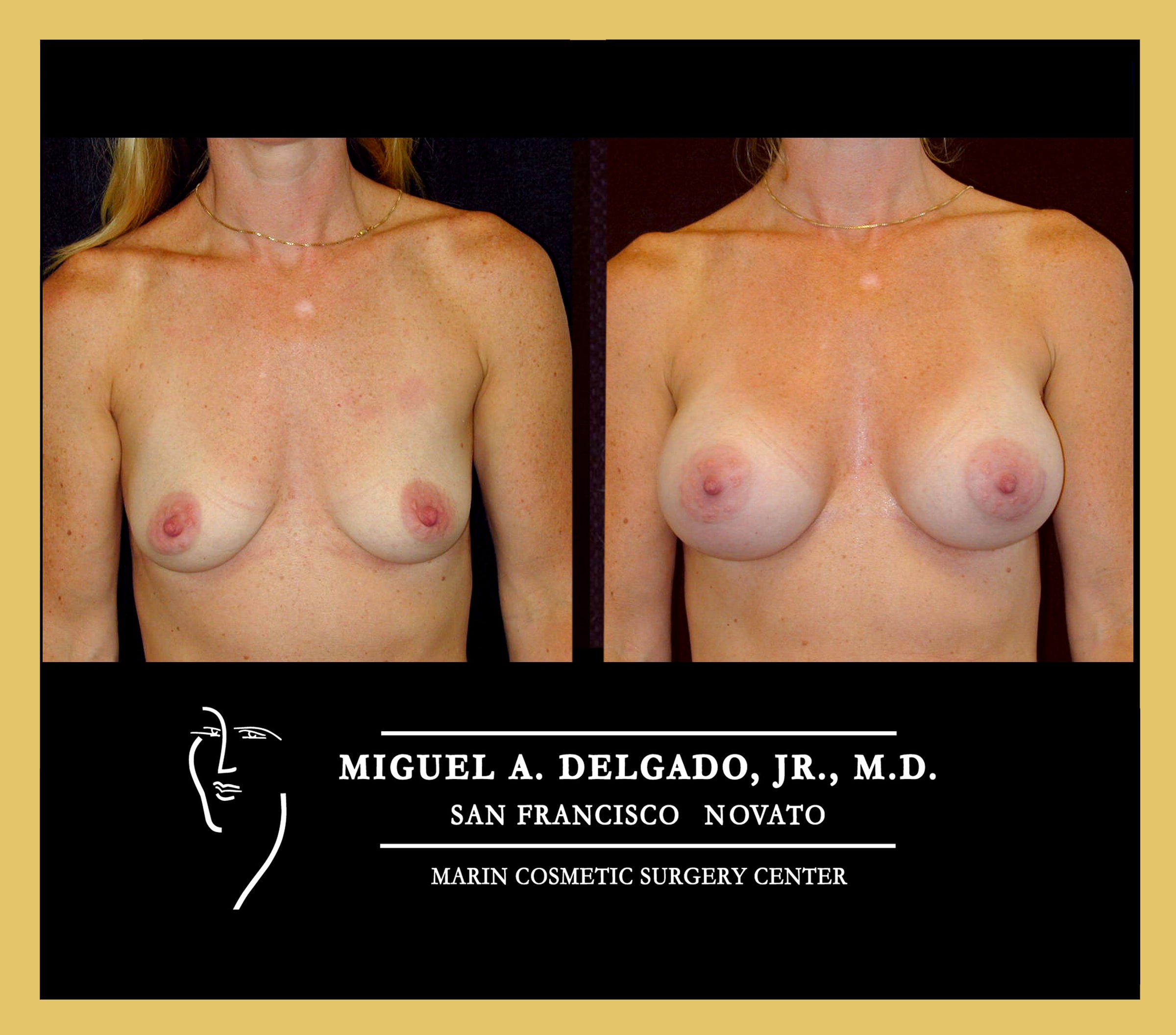
Silicone breast implants have become a popular choice for women seeking breast augmentation or breast reconstruction, thanks to their ability to mimic the look and feel of natural breast tissue closely. These medical devices consist of a silicone outer shell filled with a cohesive silicone gel, designed to provide a soft, natural breast appearance and maintain breast shape over time.
Available in various sizes, shapes, and profiles, silicone implants offer women the flexibility to choose the best option for their body type and aesthetic goals. Choices include round or teardrop-shaped implants, as well as smooth or textured breast implants. Textured breast implants help reduce movement within the breast pocket, but studies have linked them to a higher risk of capsular contracture and, in rare cases, a cancer called anaplastic large cell lymphoma (BIA-ALCL).
Plastic surgeons commonly use silicone breast implants for cosmetic augmentation and reconstruction after mastectomy or injury. The silicone gel filling closely mimics the texture of natural breast tissue, making these implants a popular choice among both patients and surgeons.
Despite their advantages, silicone implants are not without risks. Over time, factors such as natural wear and tear, trauma, or surgical technique can lead to silicone implant ruptures. A ruptured silicone implant may not always cause noticeable symptoms immediately—a phenomenon known as a silent rupture. However, changes in breast shape, breast pain, swelling, or even systemic symptoms like joint pain and fatigue can occur if silicone gel leaks into surrounding tissues.
Since silicone breast implants don’t last a lifetime, regular monitoring plays a crucial role in long-term breast health. Plastic surgeons rely on magnetic resonance imaging (MRI) as the gold standard for detecting silent ruptures. Routine check-ups with a board-certified plastic surgeon help ensure early detection and proper care. If a rupture occurs, surgeons may perform breast implant removal surgery to extract the damaged implant and any affected scar tissue. In many cases, they can place a new implant during the same procedure to restore the breast’s appearance.
For women considering breast augmentation or breast reconstruction, it’s essential to have an open discussion with a board-certified plastic surgeon about the benefits and potential risks of silicone breast implants. Understanding the possibilities of implant rupture, changes in breast shape, and the need for future implant removal or replacement empowers women to make informed decisions about their breast health and long-term well-being.
Understanding Silicone Breast Implant Leaks
A silicone breast implant ruptures when a tear or hole forms in the outer shell, allowing the silicone gel to leak. Unlike saline, which the body absorbs after a rupture, silicone gel is cohesive and thick, so it tends to stay near the rupture site initially.
Medical professionals categorize silicone implant ruptures into two distinct types. An intra-capsular rupture means the leaked silicone remains contained within the fibrous scar tissue capsule that naturally forms around the implant. This type often produces no symptoms and may go undetected for years. An extra-capsular rupture occurs when silicone gel escapes beyond the capsule into surrounding tissues, potentially migrating to lymph nodes and causing more noticeable symptoms.
The “silent” nature of most silicone implant ruptures sets them apart from other medical device failures. Studies indicate silent rupture rates can reach 10-15% in asymptomatic patients with long-term implants. This statistic underscores why the FDA mandates regular screening for anyone with silicone breast implants.
Statistics show that rupture rates are cumulative and age-dependent. Research indicates rupture rates increase significantly after the first decade, with some studies reporting 10-20% rupture rates at 10 years for certain implant types. Most ruptures occur after the expected lifespan of the implant, though early ruptures due to trauma or surgical complications can occur.
Common Causes of Silicone Implant Rupture


The natural aging and weakening of the implant shell are the most common causes of silicone breast implant leaks. After approximately 10 years, the silicone shell begins to deteriorate from constant flexing and body movement. This process is inevitable and affects all breast implants, regardless of manufacturer or surgical technique.
Capsular contracture creates another significant risk factor for implant rupture. When scar tissue around the implant hardens and contracts, it exerts increasing pressure on the implant shell. This constant compression can eventually cause the shell to fail, leading to silicone leaks.
Physical trauma to the chest area poses an immediate rupture risk. Motor vehicle accidents, falls, or direct blows to the chest can compromise the integrity of the implant shell. Even seemingly minor impacts can cause micro-tears that worsen over time.
Manufacturing defects, particularly in older-generation implants, contributed to higher rupture rates in the past. Early silicone breast implants had thinner shells and less cohesive filler material. Modern textured breast implants and cohesive gel designs have greatly lowered this risk, but some manufacturing issues still persist.
Surgical factors during initial breast surgery or revision surgery can also contribute to rupture risk. Improper handling of implants with surgical instruments, overly aggressive pocket creation, or placement techniques may compromise implant integrity. Choosing a board-certified plastic surgeon experienced in breast procedures helps minimize these risks, as plastic surgery expertise is crucial for reducing the likelihood of implant rupture and managing potential complications.
Signs and Symptoms of Silicone Implant Leaks
Gradual changes in breast shape, breast size, or contour often represent the first noticeable signs of silicone breast implant leaks. Unlike the immediate deflation seen with saline implant ruptures, these changes develop slowly over months or years. Women may notice that breast asymmetry becomes more pronounced, or one breast appears more undersized or more misshapen compared to the other.
Increased breast firmness or the development of hard lumps indicates possible gel migration or granuloma formation. The affected breast may feel different during self-examination, with areas of unusual firmness or irregular texture. Patients often notice these changes gradually, sometimes mistaking them for normal aging or weight fluctuations.
Persistent breast pain, tenderness, or discomfort in one or both breasts can signal implant problems. At the same time, some discomfort is normal immediately after breast implant removal surgery or other breast procedures; new or worsening pain months or years after surgery warrants medical evaluation. Pain and tenderness can occur in the breast due to ruptured silicone implants, and this discomfort can interfere with daily activities.
Swelling, inflammation, or redness in the breast area may indicate the body’s response to leaked silicone. These symptoms often appear gradually and may be accompanied by warmth in the affected area. Some women also experience changes in nipple sensation, including numbness, tingling, or altered sensitivity.
Silent Ruptures and Detection Challenges
The viscous nature of modern cohesive gel helps maintain breast appearance even after rupture, creating what medical professionals call silent ruptures. These ruptures can persist for years without noticeable symptoms, making regular screening essential for early detection.
The body’s natural response to silicone involves forming a fibrous capsule around the implant. When an intra-capsular rupture occurs, the capsule contains the leaked gel, preventing immediate changes in breast appearance. Only advanced imaging techniques can reliably detect these silent ruptures.
Comparison studies between silicone and saline implants highlight this detection challenge. While saline implant ruptures are immediately apparent due to rapid deflation, silicone leaks may remain undetected without proper medical surveillance. This difference highlights the importance of adhering to FDA screening guidelines for silicone implants.
Systemic Symptoms and Breast Implant Illness
Some women with ruptured silicone implants report systemic symptoms, including fatigue, joint pain, fever, and muscle aches. Although rare, these symptoms have led some patients and experts to link them to a controversial condition known as breast implant illness. The connection between silicone exposure and these symptoms remains under investigation.
Some patients with silicone breast implant leaks have reported autoimmune-like reactions. Some symptoms associated with breast implant illness include fatigue, memory loss, rash, and joint pain. However, large-scale studies haven’t established a clear causal relationship between silicone implants and autoimmune diseases.
The medical community continues to study the potential connection between leaked silicone and systemic symptoms. Although researchers haven’t proven a definitive cause, women with unexplained symptoms should talk to their healthcare provider about their implant history and consider screening for a possible rupture.
Diagnostic Methods for Silicone Implant Rupture
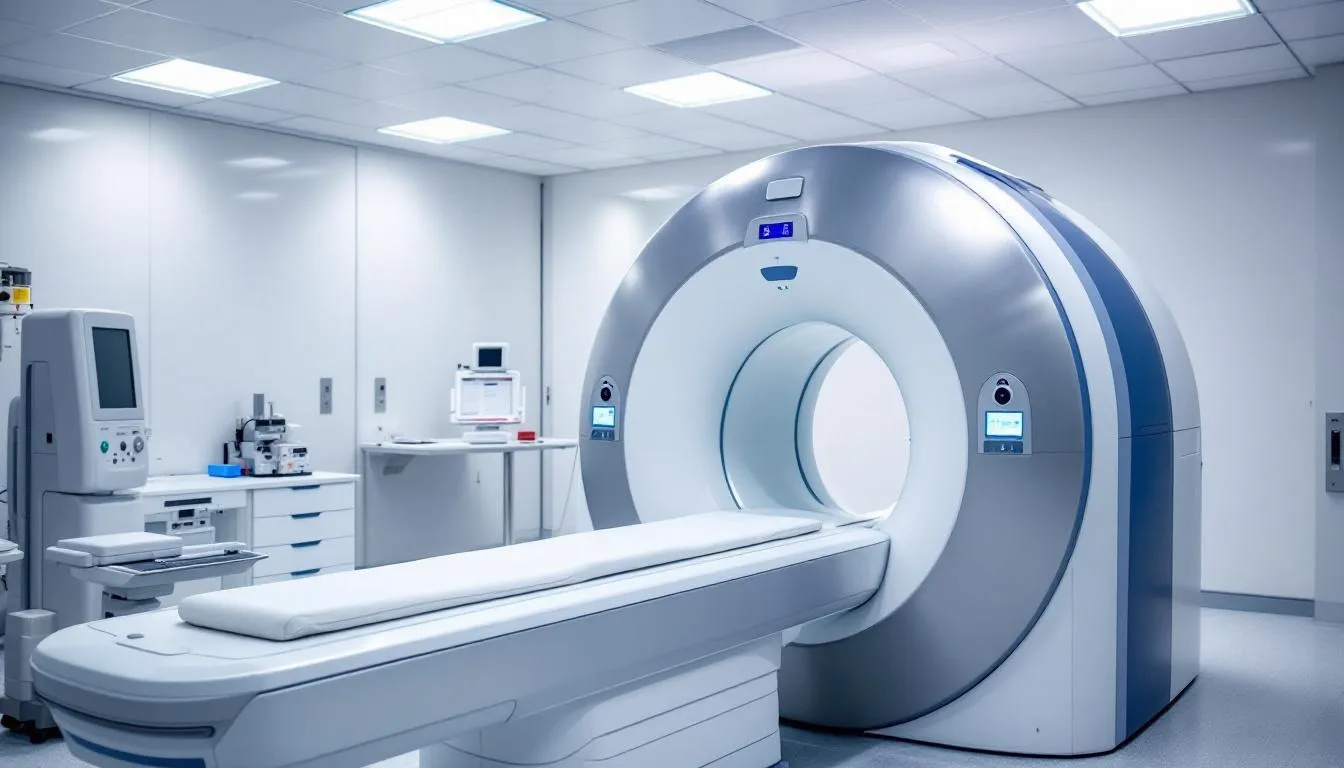
Magnetic resonance imaging (MRI) is the gold standard for detecting silicone breast implant leaks, offering up to 94% accuracy for identifying silent ruptures. MRI technology can distinguish between intact implants and various types of rupture, making it the most reliable diagnostic tool available.
The FDA recommends a specific screening schedule for women with silicone breast implants: the first MRI at five years after breast augmentation, followed by MRI screening every two years thereafter. This protocol aims to detect ruptures before significant complications develop.
Ultrasound has emerged as an FDA-approved alternative for routine screening in asymptomatic patients. While slightly less sensitive than MRI, ultrasound offers several advantages, including lower cost, wider availability, and no exposure to radiation. Many plastic surgeons now use ultrasound for initial screening, reserving MRI for cases where ultrasound results are inconclusive.
A physical examination by a qualified plastic surgeon remains essential, but it has significant limitations in detecting early-stage ruptures. During a physical exam, doctors assess the shape, symmetry, and texture of the breasts. However, silent ruptures often produce no detectable changes during routine examination, emphasizing the need for imaging studies.
The initial consultation plays a crucial role in reviewing a patient’s medical history, discussing individual concerns and goals, and planning the most appropriate diagnostic imaging for suspected implant rupture.
Cost considerations represent a significant barrier to compliance with screening guidelines. MRI scans typically cost $1,000 to $2,000 per study and may not be covered by insurance for routine screening purposes. This expense can lead some women to delay or skip recommended surveillance, potentially allowing complications to develop.
Health Risks and Complications
Migration of leaked silicone gel represents the primary health concern with ruptured implants. In extra-capsular ruptures, silicone can travel to lymph nodes, resulting in a condition known as silicone lymphadenopathy. While not cancerous, this migration can cause lymph node enlargement and complicate future medical evaluations.
Granuloma formation occurs when the body’s immune system responds to leaked silicone by forming small masses of inflammatory tissue. These granulomas can cause lumps, pain, and changes in breast texture. While typically benign, they may require surgical removal and complicate breast cancer screening.
Capsular contracture may develop or worsen following implant rupture. The leaked silicone can trigger increased scar tissue formation, leading to breast distortion, pain, and firmness. Severe contracture often requires surgical intervention to restore normal breast appearance and comfort. In addition, capsular contracture may occur due to infection, hematoma, or seroma; however, its exact cause remains unknown. Capsular contracture is graded on a scale from I to IV, with grades III and IV being considered severe and potentially requiring reoperation.
Delayed removal of ruptured silicone implants can lead to more complicated surgical procedures and greater tissue involvement. The longer silicone remains in contact with surrounding tissues, the more extensive the cleanup required during breast implant removal surgery will be. In cases of extensive silicone migration, careful dissection near the chest wall may be necessary to ensure all affected tissue is addressed. Some patients may need to have their breast implants removed due to complications or health concerns, such as pain, capsular contracture, or risks like BIA-ALCL. Early intervention typically results in better surgical outcomes and fewer complications.
Large-scale studies and regulatory reviews have found no clear evidence linking ruptured silicone implants to breast cancer or primary connective tissue disease. The FDA continues to monitor safety data and maintains that the risk of serious, life-threatening health consequences remains low. However, prompt diagnosis and management are still recommended to minimize potential complications.
Treatment Options for Ruptured Silicone Implants
Breast implant removal, also known as explantation surgery, is a straightforward outpatient procedure designed to remove breast implants. Complete implant removal, known as explantation, represents the definitive treatment for ruptured silicone breast implants. This surgical procedure involves removing not only the damaged implant, but also any leaked silicone gel that can be safely accessed. The complexity of the surgery depends on the extent of gel migration and tissue involvement. Typically, breast implant removal recovery takes approximately two weeks, during which patients may experience temporary pain and swelling.
En bloc capsulectomy is often recommended for cases involving extra-capsular rupture or significant tissue reaction. This technique consists of removing the implant and the surrounding scar tissue capsule intact, thereby minimizing the risk of leaving silicone behind. Board-certified plastic surgeons experienced in revision surgery typically perform this more complex procedure.
Patients have several options for breast reconstruction following implant removal. Some choose immediate replacement with new implants during the same surgery, while others opt for alternative reconstruction methods. Breast lift procedures or fat grafting can help restore breast shape and contour for women who prefer not to have new implants.
Patients undergoing en bloc capsulectomy or extensive tissue cleanup may require longer recovery times compared to simple implant removal.
After breast implant removal, the breasts usually return to their pre-augmentation state, although some women may experience sagging or other changes.
Choosing an experienced surgeon is crucial for optimal outcomes. Plastic surgeons who specialize in breast revision and explantation procedures understand the complexities involved in removing leaked silicone and can better preserve healthy breast tissue during the process.
Prevention and Monitoring Strategies
Adherence to FDA-recommended MRI screening schedules is the most effective strategy for early detection of silicone breast implant leaks. Following the 5-year initial scan, a biennial screening protocol helps identify ruptures before significant complications develop.
Regular self-examination and awareness of breast changes complement professional monitoring. Women should perform monthly breast self-exams, noting any changes in size, shape, texture, or sensation. Any new or concerning findings should prompt immediate consultation with a healthcare provider.
Annual check-ups with a plastic surgeon provide opportunities for professional assessment and patient education. During these visits, surgeons can conduct physical examinations, review compliance with screening protocols, and address any concerns regarding implant integrity or breast health.
Selecting high-quality implants from reputable manufacturers helps minimize the risk of rupture. Modern cohesive gel implants have significantly lower failure rates compared to earlier generations of implants. However, even the best implants should be considered temporary medical devices that require eventual replacement.
Avoiding activities that may increase the risk of rupture represents another preventive strategy. While normal daily activities don’t typically damage implants, contact sports, extreme physical activities, or situations with high trauma risk may warrant special precautions or protective equipment.
Understanding that breast implants are not lifetime devices helps set appropriate expectations. Most plastic surgeons recommend planning for implant replacement every 10-15 years, even in the absence of complications. This proactive approach can prevent rupture-related problems and maintain optimal breast appearance.
When to Seek Medical Attention
Any noticeable changes in breast shape, size, or feel warrant prompt medical evaluation. These changes may develop gradually over months or years, making regular self-examination crucial for early detection. Even subtle asymmetries or texture changes should be discussed with a healthcare provider.
New or persistent breast pain and tenderness, mainly when localized to one breast, requires medical assessment. While some discomfort may result from hormonal changes or physical activity, sustained pain in women with breast implants should be evaluated for possible rupture or other complications.
Signs of inflammation, such as swelling, redness, or warmth in the breast area, may indicate possible complications that require immediate attention. These symptoms may indicate the body’s response to leaked silicone or other implant-related issues that require prompt treatment.
Changes in nipple sensation or breast sensitivity can signal implant complications. Women experiencing new numbness, tingling, or altered sensation should consult with their plastic surgeon to determine if imaging studies are warranted.
Systemic symptoms, such as unexplained fatigue, joint pain, or fever, while rare, may be related to implant complications in some cases. Women experiencing these symptoms should discuss their implant history with healthcare providers and consider a comprehensive evaluation.
Being overdue for routine MRI screening by more than six months represents another reason to seek medical attention. Maintaining compliance with surveillance protocols is essential for the timely detection of silent ruptures and the prevention of complications.
Do Normal Saline Implants Rupture?

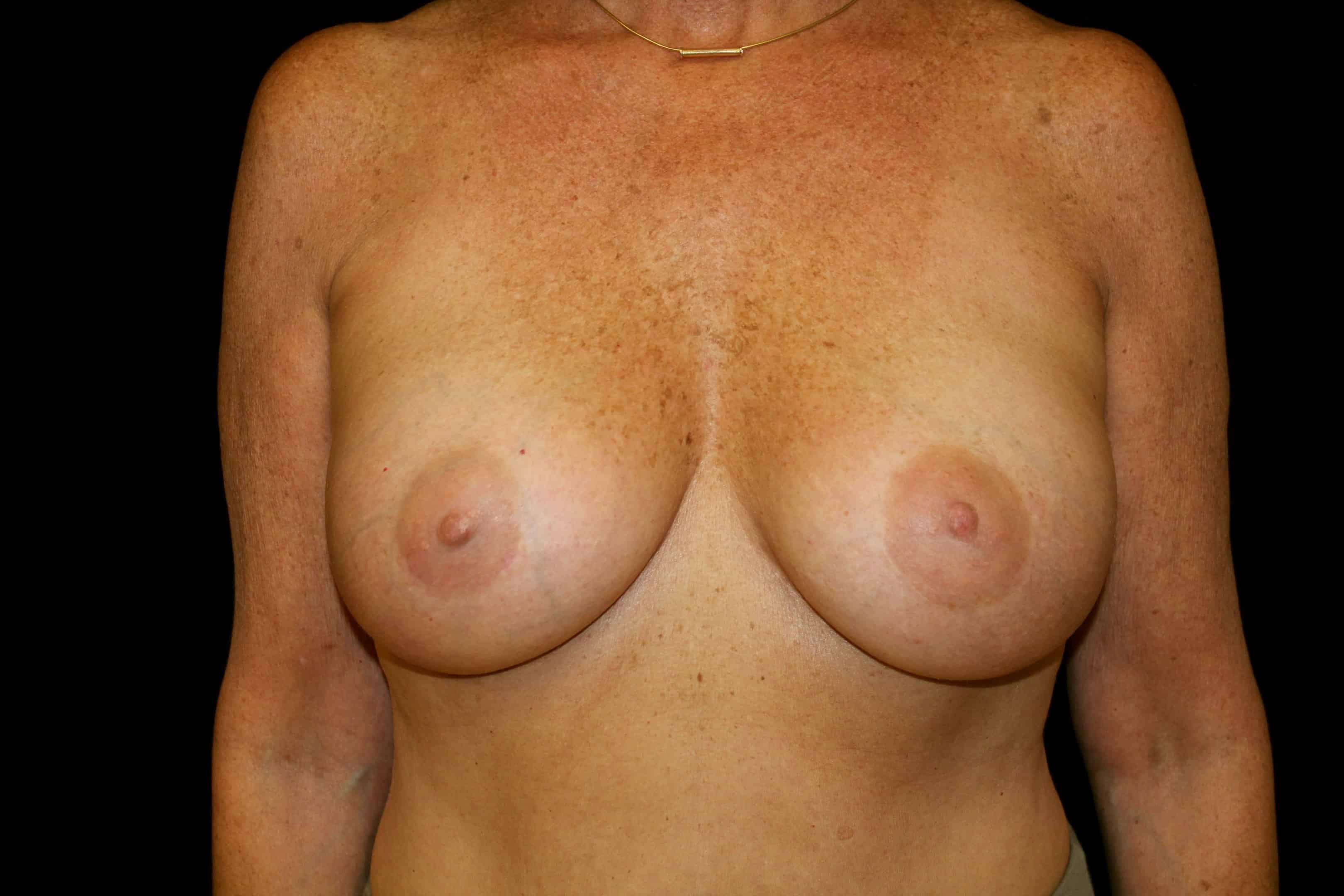
Yes, saline implants can and do rupture, but the experience differs significantly from that of silicone implant ruptures. Saline implant ruptures are typically obvious and immediate, with the affected breast losing volume within hours or days as the body absorbs the sterile saline solution.
How Do You Know if a Saline Implant Ruptures?
A ruptured saline implant becomes immediately apparent through visible deflation of the affected breast. Unlike the silent nature of silicone implant ruptures, saline implant ruptures cause noticeable volume loss, breast asymmetry, and changes in breast shape that are impossible to miss. The deflation usually occurs rapidly, often within 24-48 hours of the rupture.
Is a Rupture of a Saline Implant Dangerous?
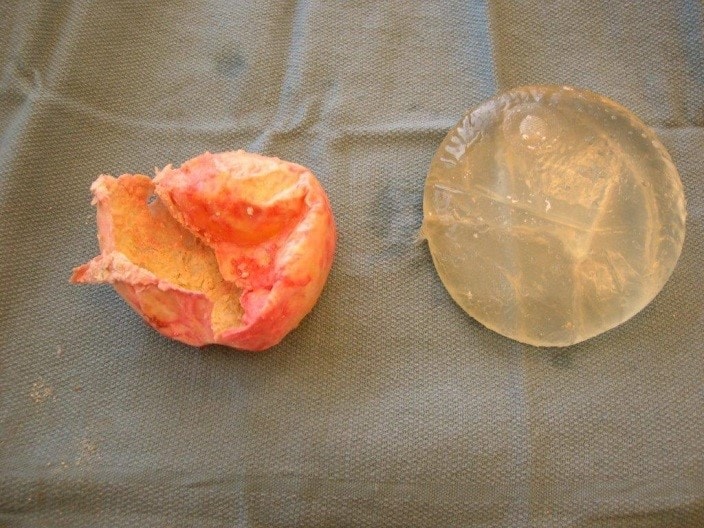
Saline implant ruptures pose minimal health risks, as the saline solution is sterile salt water that is harmlessly absorbed by the body. Unlike silicone gel, which can migrate to surrounding tissues, the saline from a ruptured implant doesn’t cause tissue reactions or long-term health complications.
What Are the Complications of a Normal Saline Breast Implant Rupture?
The primary complications of saline implant rupture are cosmetic rather than medical. The deflated implant shell may cause discomfort or irritation, and leaving it in place can lead to capsular contracture or infection. Some women experience temporary breast pain or sensitivity following rupture, but serious health complications are rare.
What Are the Causes of a Saline Breast Implant Rupture or Leak?
Saline implant ruptures result from similar causes as silicone implant failures: natural wear and tear over time, trauma to the chest area, manufacturing defects, and surgical complications. The valve mechanism used to fill saline implants can also fail, leading to gradual deflation rather than sudden rupture.
How Do You Treat a Rupture Saline Implant?
Treatment for a ruptured saline implant involves surgical removal of the deflated implant shell through a relatively straightforward surgical procedure. Many women choose to have a new implant placed during the same surgery to restore breast volume and symmetry. The method is typically less complex than silicone implant removal, since there’s no gel migration to address.
Dr. Delgado is a Breast Implant and Revision Specialist

Dr. Delgado is an expert breast implant revision surgeon in San Francisco, and this is why. With years of specialized experience in breast implant removal and revision surgery, Dr. Delgado has developed a deep understanding of the complexities involved in managing silicone breast implant leaks and ruptures. His expertise includes delicate surgical procedures, such as en bloc capsulectomy, which consists of the removal of both the ruptured implant and the surrounding scar tissue capsule to minimize the risk of silicone gel remaining in the breast pocket.
Patients trust Dr. Delgado for his comprehensive approach to breast implant revision, which prioritizes both safety and aesthetic outcomes. He works closely with each patient to tailor the surgical plan to their individual needs, whether that involves implant removal alone, replacement with new implants, or additional breast procedures such as breast lifts to restore breast shape and contour.
As a board-certified plastic surgeon, Dr. Delgado stays current with the latest advances in breast surgery techniques and implant technology, ensuring his patients receive the highest quality care. His thorough preoperative consultations include detailed discussions about the risks of implant rupture, the importance of regular imaging screenings like MRI, and the expected recovery process after surgery.
Dr. Delgado’s reputation in San Francisco and beyond is built on his commitment to patient education, safety, and achieving natural-looking results. His skillful handling of complex breast implant complications, including ruptured silicone implants and capsular contracture, makes him a leading choice for women seeking expert breast revision surgery in the region.
Call us today at 415-898-4161 or visit our website to schedule an in-person or virtual consultation.
FAQ for Ruptured Breast Implants.
How long can a ruptured silicone implant be left in place?
While not immediately life-threatening, ruptured silicone implants should be removed as soon as reasonably possible. Delaying removal increases the risk of complications, including gel migration, granuloma formation, and the need for more complex surgical procedures. Most plastic surgeons recommend removal within a few months of diagnosis.
Can you breastfeed with a ruptured silicone implant?
Available studies suggest that breast implants, even ruptured ones, don’t generally interfere with breastfeeding or affect breast milk safety. However, the surgical removal process may impact future breastfeeding ability depending on the surgical approach and extent of tissue involvement.
What is the difference between silicone and saline implant ruptures?
The key difference lies in detectability and health implications. Saline implant ruptures cause immediate, evident deflation, as the body harmlessly absorbs the salt water. Silicone implant ruptures often remain “silent” for years, with cohesive gel potentially migrating to surrounding tissues and causing complications.
How much does MRI screening for implant rupture cost?
MRI screening typically costs $1,000 to $2,000 per scan and may not be covered by insurance for routine surveillance purposes. This cost barrier sometimes leads to delayed screening, though some facilities offer payment plans or reduced rates for routine implant monitoring.
Are newer-generation silicone implants less likely to rupture?
Modern cohesive gel implants, featuring improved shell designs, have significantly lower rupture rates compared to earlier generations. However, no implant is guaranteed to last a lifetime, and rupture rates still increase with the age of the implant, regardless of the generation.
What happens to leaked silicone gel in the body?
Leaked silicone gel is typically walled off by the body’s natural inflammatory response. However, it can migrate to lymph nodes, causing granuloma formation and triggering local tissue reactions. The gel cannot be broken down or absorbed by the body like a saline solution.
Can a ruptured silicone implant be repaired, or must it be removed?
Ruptured silicone implants cannot be repaired and must be surgically removed. The compromised implant shell and any leaked gel require complete removal to prevent ongoing complications. Replacement with a new implant can be performed during the same surgical procedure if desired.
How soon should a ruptured silicone implant be removed?
Most plastic surgeons recommend removing ruptured silicone implants within a few months of diagnosis to prevent complications. While not a medical emergency, prompt removal helps minimize gel migration, reduces surgical complexity, and prevents potential long-term tissue reactions.
Understanding silicone breast implant leaks empowers women to take control of their health and make informed decisions about their care. Regular monitoring, awareness of symptoms, and prompt medical attention when concerns arise are essential for maintaining breast health with silicone implants. If you have silicone breast implants and haven’t had screening in the past two years, schedule a consultation with a board-certified plastic surgeon to discuss your monitoring options and ensure your continued health and safety.