
Introduction
FUPA stands for fat upper pubic area, referring to excess fat above the pubic bone. The mons pubis is a natural fatty cushion that protects the pubic bone. This article explains what a FUPA is, why it develops in women, its effects, and the available treatment options. A prominent FUPA can impact body image, comfort, and hygiene, and understanding treatment options can help women make informed decisions about their health and appearance.
What Is a FUPA on a Woman?
FUPA is a mound of excess fat that collects above the pubic bone in a woman’s upper pubic area and can extend from the lower abdomen. For adults who want expert evaluation and body-contouring treatment, it is often a frustrating aesthetic issue that can also affect comfort, hygiene, and body image.
Causes of FUPA
For some women, FUPA can occur just from gaining body weight or by a “C” section scar; in other cases, it follows significant weight loss that leaves excess skin after major body changes. Genetics, body fat distribution, hormonal changes with aging, fat storage patterns, and weight fluctuations can also lead to fat accumulation in the lower abdomen and pubic region, because the body stores fat differently from person to person, and body composition affects where fullness develops. Other women who have had a Mommy Makeover or a tummy tuck with liposuction in their abdominal area may find that their surgeon was reluctant to travel too far south, leaving them with fullness in their pubic area that they find uncomfortable. Another possible cause of the pubic mound is weight gain after a tummy tuck, which can affect results. If only fat cells above the mons pubis have been removed, fat may shift to the FUPA.
Effects of FUPA
A prominent FUPA can affect body image, cause daily discomfort, and in severe cases, lead to chafing or hygiene issues. However, some fat should exist there because the mons pubis is a natural fatty cushion that protects the pubic symphysis, the joint between the pubic bones where the two pelvic bones meet. It takes the expertise of a board-certified plastic surgeon to strike the right balance.
Case Presentation: Addressing a Prominent FUPA With Comprehensive Body Contouring
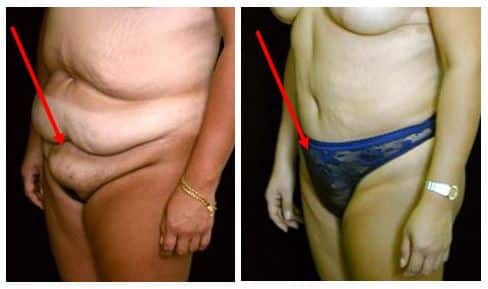
When patients present with a prominent FUPA, they are often dealing with a combination of stubborn, localized fat and loose skin that is resistant to traditional diet and exercise.
In this case presentation, Dr. Miguel Delgado treated a patient with a significant FUPA by combining three powerful body-contouring techniques into a single, cohesive surgical plan: a Tummy Tuck (Abdominoplasty), Liposuction, and a Pubic Lift (Monsplasty).
The Patient’s Concerns and Clinical Assessment
Before surgery, the patient presented with excess fat accumulation above the pubic bone that created a noticeable bulge, heavily impacting her clothing options, comfort, and self-confidence.
Additionally, the patient experienced loose skin and weakened abdominal muscles in the lower belly. A standalone procedure would not have been enough to achieve a smooth result:
- Liposuction alone would have emptied the fat but left a deflated, sagging “apron” of skin over the pubic area.
- A Tummy Tuck alone would have flattened the upper and lower abdomen but risked making the untreated pubic bulge look even more prominent by comparison.
To create a balanced, continuous, and flat profile, Dr. Delgado designed a multi-layered approach.
The Treatment Plan and Surgical Techniques
- Liposuction of the Upper Pubic Region: Dr. Delgado began by performing targeted pubic liposuction. Using a specialized, thin cannula, he meticulously sculpted the mons pubis and the surrounding lower abdominal area. This step broke down and removed the stubborn fat cells that made up the bulk of the FUPA, instantly reducing the mound’s volume.
- Tummy Tuck (Abdominoplasty): Next, Dr. Delgado addressed the abdomen’s structural foundation. He repaired and tightened the underlying abdominal muscles (diastasis recti) to pull the core tight. He then pulled down the abdominal skin matrix, removing the excess, stretched-out skin from the lower belly.
- Pubic Lift (Monsplasty): To ensure the newly flattened abdomen transitioned seamlessly into the lower pelvic region, Dr. Delgado performed a pubic lift. He excised the excess, sagging skin at the very top of the pubic area and anchored the underlying tissue to a higher, firmer position. This eliminated any vertical sagging, lifted the entire mons pubis region, and placed the final incision low enough to be easily hidden by standard swimwear or underwear.
Surgical Outcome and Longevity
By combining a tummy tuck, targeted liposuction, and a strategic pubic lift, Dr. Delgado successfully eliminated the FUPA and re-established a flat, naturally contoured lower torso.
Beyond the dramatic visual improvement, the procedure relieved the physical discomfort of skin chafing, leaving the patient with a highly rejuvenated, cohesive, and confident new contour.
Sometimes the area responds well to lifestyle changes, but exercise alone cannot target fat loss in the FUPA specifically; a healthy diet can help women lose weight and reduce overall body fat, but it cannot selectively remove fat from one spot. In most cases, fat loss requires a calorie deficit rather than spot reduction, so women often need to lose weight overall instead of expecting change only in this area. For women who do not see improvement with diet and exercise, or who want a more lasting change, treatment may include liposuction of the upper pubic region or surgical excision to reduce excess fat and, when needed, loose tissue. Dr. Miguel Delgado, a board-certified plastic surgeon, can evaluate which option fits their anatomy and goals.
What to Do About a Fat Upper Pubic Area
Treatment will vary depending on the cause and severity of the condition, and options may include both non-surgical and surgical treatments.
Surgical Treatments
For many patients, surgical options may be the answer for fat removal in the mons pubis and lower abdomen, helping eliminate FUPA when diet and exercise are not enough. Common surgical procedures include:
- Liposuction: Targeted removal of fat from the mons pubis and lower abdomen using a thin tube called a cannula.
- Tummy Tuck (Abdominoplasty): Removes fat, tightens abdominal muscles, and addresses excess abdominal skin.
- Monsplasty (Pubic Lift): Removes fatty tissue and excess skin from the upper portion of the mons pubis; recovery typically takes one to two weeks.
- Surgical Excision: Removes fat and excess skin after significant weight changes, especially when sagging or loose skin will not retract after liposuction.
Non-Surgical Treatments
Non-surgical options can also help reduce FUPA, including:
- CoolSculpting: FDA-approved cryolipolysis that can freeze stubborn fat cells in the pubic area, though results depend on the amount of excess fat.
- Radiofrequency Therapy: May help tighten skin and burn fat.
- EMSculpt: Builds muscle mass in the abdominal and pubic region.
Non-surgical treatments may reduce pubic fat in selected cases, but they may not be enough for larger bulges or loose skin.
Exercise and Lifestyle Approaches
Cardio and overall fat-loss strategies can help people trying to get rid of their FUPA, but spot reduction is not possible. Most people need to lose weight overall rather than targeting just one area. Reducing belly fat and overall body fat may reduce fullness in the area, but you cannot target fat in the upper pubic area alone. Strengthening the lower abdominal muscles can improve muscle tone in the area. Adding high-intensity interval training can also support fat loss as part of a cardio routine. Recommended exercises include:
- Leg raises
- High planks
- Knee tucks
- Bicycle crunches
A classic Pilates exercise can also help strengthen the core, even though it will not specifically melt fat in this area.
These moves can strengthen the lower abdominal muscles and deeper core muscles, but they do not specifically target stubborn or unwanted fat in this area. Surface fullness here is different from visceral fat, which relates to broader abdominal fat patterns and health risks.
This condition is not exclusive to women; men in consultation for gynecomastia surgery have requested additional procedures such as a tummy tuck and reduction of their FUPA.
Schedule a Tummy Tuck Consultation in San Francisco
To schedule a consultation today, call us at (415) 898-4161, fill out our online contact form, or email us at info@dr-delgado.com for an evaluation if your FUPA is causing you problems.

Miguel Delgado, M.D.
Miguel A. Delgado, Jr., MD, holds the two credentials most coveted by plastic surgeons practicing in the United States, namely certification by the American Board of Plastic Surgery and membership in the American Society of Plastic Surgery. Dr. Delgado is a world-recognized specialist in the treatment of male breast enlargement, also called gynecomastia. He takes great pride in his plastic surgery specialty and constantly strives to stay abreast of the latest, most advanced techniques to offer his patients the best options available.
Facial Rejuvenation | Body Contouring | Breast Enhancement | Male Specific Procedures | Skin Care Products | Non-Invasive Procedures