14 Min Read
- Key Takeaways
- 1. What Is a Deep Plane Facelift, and How Is It Different from a Traditional Facelift?
- 2. Am I a Good Candidate for a Deep Plane Facelift?
- 3. What Areas of My Face Will a Deep Plane Facelift Improve?
- 4. Will I Still Look Like Myself, or Will I Look "Pulled"?
- 5. How Long Will My Deep Plane Facelift Results Last?
- 6. What Is Recovery Really Like After a Deep Plane Facelift?
- 7. What Are the Risks and Potential Complications, and How Are They Managed?
- 8. Can a Deep Plane Facelift Improve My Neck and Jawline, or Will I Need a Separate Neck Lift?
- 9. Can a Deep Plane Facelift Be Combined with Eyelid Surgery, Brow Lift, or Fat Transfer?
- 10. How Do I Choose the Right Surgeon for Deep Plane Facelift Surgery?
- Preparing for Your Facelift Consultation in the Bay Area or East Bay
- FAQ

If you’re researching facial rejuvenation and weighing your options, you’ve likely come across the term “deep plane facelift.” It’s one of the most discussed facelift procedures available today, but separating fact from marketing hype requires asking the right questions. This guide walks you through the ten most important questions to ask your surgeon before surgery.
Key Takeaways
- A deep plane facelift repositions deeper structures—muscle, connective tissue, and ligaments—rather than just tightening skin. This restores cheek, jawline, and neck definition with more durable, natural results compared to surface-level techniques.
- Choosing the right surgeon in the San Francisco Bay Area or East Bay is the single most important factor in your outcome, safety, and long-term results. Look for board certification, high facelift volume, and a philosophy centered on patient safety.
- Most healthy patients in their late 40s through 70s with visible sagging skin, jowling, or neck laxity, but who still have reasonable skin elasticity, may be good candidates for this procedure.
- A personalized surgical plan is essential for optimal outcomes. Every patient benefits from a tailored approach rather than a one-size-fits-all operation.
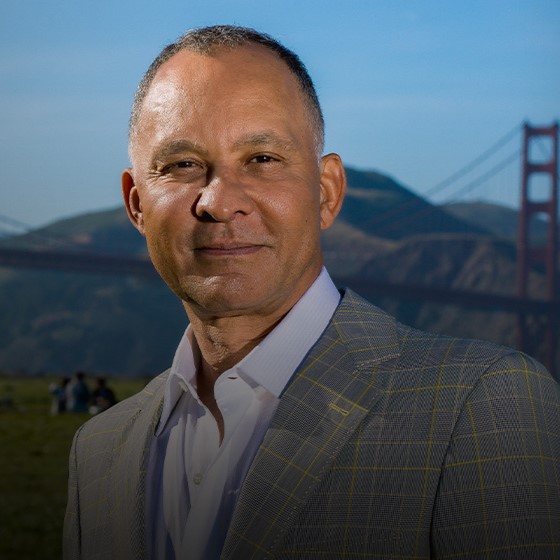
- Dr. Miguel Delgado offers deep plane facelift surgery, neck lift, and mini facelift procedures in San Francisco and Marin County with a strong focus on realistic expectations, patient safety, and preserving each person’s unique facial identity.

1. What Is a Deep Plane Facelift, and How Is It Different from a Traditional Facelift?
A deep plane facelift is a surgical procedure in which the surgeon releases the retaining ligaments that tether facial tissues to bone and lifts the skin together with the SMAS (superficial musculoaponeurotic system) as a single composite flap. The surgical technique repositions muscle and connective tissue back to a more youthful position rather than simply pulling skin tighter.
In contrast, a standard SMAS facelift targets the superficial musculoaponeurotic system by folding, plicating, or trimming it, but typically leaves deeper ligaments intact. That means more tension falls on the skin, which can produce a lateral “pulled” look over time. Facelifts can be classified as full or partial procedures; deep plane techniques fall into the full category because they address the midface, lower face, and neck in one operation.
Because deep plane techniques preserve blood supply beneath the skin flap, they often produce more natural results with less risk of skin compromise. However, this approach is more technically demanding—often four to six hours versus two to three for simpler lifts—and experience with facial anatomy is crucial for successful outcomes. Surgeons need advanced training to work safely around facial nerve branches.
Patients should ask the surgeon to describe exactly what they do in the operating room: which ligaments they release, how much of the SMAS they mobilize, and whether they address the neck. Without that technical jargon translated into plain language, it’s hard to know what you’re actually getting.
2. Am I a Good Candidate for a Deep Plane Facelift?
A one-on-one consultation determines candidacy by reviewing your health history, medications, lifestyle, and facial anatomy. Patient selection is crucial—not everyone is suited for a deep plane facelift.
Who Is a Good Candidate?
Common features of strong candidates include:
- Visible jowling or softening of the jawline
- Sagging cheeks or deepening nasolabial folds
- Banding, fullness, or loose skin in the neck
- Enough skin elasticity to redrape smoothly after lifting
- Age range typically between the late 40s and mid-70s
Ideal candidates are non-smokers (or willing to stop at least six weeks before and after surgery), have controlled blood pressure, have no major uncontrolled medical conditions, and are in overall good health. Lifestyle factors such as smoking can significantly affect surgical outcomes by restricting blood flow and increasing complication risk. Good skin elasticity helps maintain facelift results longer.
Factors that may delay or rule out surgery include:
- Recent major weight changes
- Clotting disorders
- Poorly controlled diabetes
- Unrealistic expectations about what the procedure can achieve
It is important to have realistic expectations regarding the surgery results. A facelift restores; it doesn’t reinvent.
Ask your surgeon directly: “If I were your family member, would you recommend this now, or would you wait?” A conscientious surgeon like Dr. Delgado will answer honestly, even if that means suggesting you hold off.
3. What Areas of My Face Will a Deep Plane Facelift Improve?
The deep plane facelift primarily targets three zones where age-related descent is most visible: the midface, lower face, and neck. A mid-facelift specifically addresses sagging in the cheek region, and the deep plane approach naturally incorporates this correction.
You can expect improvement in:
- Cheeks – lifted, with restored projection
- Nasolabial folds – reduced depth
- Jawline – sharper definition, reduced jowls
- Neck – smoother transition from face to neck, improved angle
What it does not reliably treat alone includes:
- Fine lines around the mouth
- Skin texture
- Sun damage
- Upper eyelid hooding
- Significant brow descent
These concerns may require additional facial rejuvenation procedures such as lasers, skin resurfacing, or eyelid surgery.
Bringing photos from ten to twenty years ago helps your surgeon show which features can realistically be restored versus which are better addressed through skin care or injectables. For patients across the East Bay, Marin County, and San Mateo who travel into San Francisco, combining a deep plane facelift with targeted treatments can address both structure and skin quality for comprehensive yet natural facial rejuvenation.

4. Will I Still Look Like Myself, or Will I Look “Pulled”?
This is often the very first concern people raise. Patients often worry about looking like themselves post-surgery, and the fear of appearing “done” keeps many from pursuing facelift surgery at all. Patients want reassurance that they’ll look refreshed, not altered.
The deep plane approach addresses this directly. By lifting deeper support layers and preserving facial volume and natural motion, the technique avoids the over-tight, wind-tunnel appearance associated with older methods. The goal is to restore facial harmony, not create a new face.
Key elements that preserve your identity include:
- Natural hairline and ear position maintained
- Normal smile dynamics preserved
- Conservative skin tension at closure
- Careful vector planning by the surgeon
Surgeons should be able to provide before-and-after photos of similar patients so you can assess whether their aesthetic matches your preference for subtle results. Patients report improved quality-of-life scores after facial rejuvenation, and friends often notice a refreshed appearance without realizing it was surgery. Long-term experiences, such as facelift results ten years later, often highlight looking naturally younger. Dr. Delgado’s aesthetic philosophy is to have colleagues and friends say, “You look rested and healthy,” rather than guessing that you had facial plastic surgery.
5. How Long Will My Deep Plane Facelift Results Last?
No facelift can stop the aging process, but deep plane facelifts provide longer-lasting results than traditional methods because they reposition and secure deeper structures in a more youthful position.
Most patients can realistically achieve refreshed contours that look significantly improved for eight to twelve years, though this varies with genetics, lifestyle, and skin quality. Facelift surgery provides a more youthful foundation for aging, so you’ll tend to look younger than you otherwise would at any future age compared to never having had surgery. Facelift results do not stop the aging process, and patients may choose revision procedures later in life as aging continues. Revisions may also be necessary for unsatisfactory results or complications.
Maintenance tips for extending your facelift results include consistent sun protection, avoiding smoking or vaping, maintaining stable weight, using medical-grade skin care, and occasional non-surgical treatment.
6. What Is Recovery Really Like After a Deep Plane Facelift?
Recovery is very manageable for most patients but involves real downtime due to swelling and bruising, so plan accordingly and clear your social commitments.
Here’s what to expect during the recovery period:
| Timeframe | What to Expect |
| First 48–72 hours | Tightness, swelling, possible drainage |
| Days 5–7 | Most sutures removed, bruising starts to fade |
| Days 10–14 | Most bruising faded, makeup can conceal remaining discoloration |
| Weeks 2–3 | Most patients return to normal activities and non-physical work |
| Months 3–6 | Continued settling, subtle refinement |
| Months 6–12 | Final results visible; scars can take 12 to 18 months to fully fade |
Temporary numbness around the ears and cheeks is normal and resolves as nerves recover. Swelling and bruising reduce over several weeks, and healing continues for several months after surgery. Recovery typically takes several months for full results to appear, though patients often feel confident returning to life much sooner.
Post-operative care is critical for successful recovery. The facility where the surgery is performed should be accredited and provide detailed aftercare instructions, scheduled follow-ups, and after-hours support. Ask logistical questions during your consultation: how long to be off work, when you can drive, exercise, or fly, and what support you should arrange at home. Recovery time varies by person, but most patients find the process straightforward with proper planning.

7. What Are the Risks and Potential Complications, and How Are They Managed?
All surgery carries risk. A high-quality consultation should include a transparent discussion of both common side effects and rare but serious complications. Common risks include hematoma, infection, and facial nerve weakness.
Possible complications include:
- Hematoma
- Seroma
- Temporary nerve injury
- Epidermolysis
- Infection
- Hypertrophic scarring
- Skin necrosis
- Overall complication rate
Surgeon experience matters enormously.
Patient safety is maximized through pre-operative medical clearance, stopping blood-thinning medications, careful blood pressure control, meticulous technique, and operating in an accredited facility with board-certified anesthesia providers. During consultations, ask about the surgeon’s specific experience with deep plane facelifts, their personal complication rates, and how they handle problems if they arise.
Dr. Miguel Delgado operates in fully equipped facilities in San Francisco and Marin County, with protocols focused on minimizing risk and addressing complications promptly, including for patients seeking facelift surgery specifically tailored for men.
8. Can a Deep Plane Facelift Improve My Neck and Jawline, or Will I Need a Separate Neck Lift?
A modern deep plane facelift usually includes significant work along the jawline and upper neck. In many cases, it functions like a combined lower facelift and neck lift in one operation, with platysma plication to address neck muscle laxity.
A separate, more formal neck lift may be recommended when there is very heavy submental fat, severe skin laxity under the chin, thick platysmal banding, or deeper neck issues requiring additional dissection. Addressing the lower face and neck together typically gives the most harmonious, natural results and avoids a mismatch between a rejuvenated face and an aging neck.
Ask your surgeon to show neck-focused before-and-after photos. Many patients from Alameda County, Contra Costa, Richmond, Berkeley, or other parts of the East Bay combine a deep plane facelift with tailored neck work in a single surgery to minimize total recovery time.
9. Can a Deep Plane Facelift Be Combined with Eyelid Surgery, Brow Lift, or Fat Transfer?
Combining procedures is common and can provide balanced facial rejuvenation, but it must be planned carefully to maintain safety and manageable recovery.
Typical combinations include:
- Upper and/or lower eyelid surgery for bags or hooding
- Limited brow lift when brow descent is significant
- Fat transfer to restore facial volume in the midface, temples, or under the eyes
Addressing volume loss is essential. Structural fat grafting complements the lift by restoring youthful contours that lifting alone cannot replace. Ask about total operative time, increased risks when combining procedures, and whether staging certain treatments, like aggressive laser resurfacing, is safer after initial healing.
Dr. Delgado often creates a personalized plan that may include eyelid surgery, neck refinement, or conservative fat transfer during the same session as the deep plane facelift when appropriate. A personalized surgical plan is essential for optimal outcomes.
10. How Do I Choose the Right Surgeon for Deep Plane Facelift Surgery?
Surgeon selection is likely the most important decision you’ll make—more critical than the exact technique or branded name of the operation. The right surgeon determines your safety, results, and experience throughout the entire process.
Key credential questions to ask:
- Board certification: Surgeons should be certified by the American Board of Plastic Surgery
- Training: Surgeons need five to eight years of advanced training post-medical school
- Volume: Look for surgeons with over 250 facelifts performed in their career
- Hospital privileges: Surgeons should have hospital privileges for safety and quality assurance
- Focused expertise: During consultations, ask about the surgeon’s specific experience with deep plane facelifts and how many they perform annually
Make sure your plastic surgeon personally performs the operation, operates in accredited facilities, and works with board-certified anesthesiologists. Evaluate the fit by considering how clearly the surgeon explains the procedure, their realistic (not exaggerated) promises, their willingness to say “no” when cosmetic surgery is not in your best interest, and the professionalism of their staff during your visits.
Dr. Miguel Delgado is a trusted option for patients in San Francisco, Marin, and the greater Bay Area. His board certification, emphasis on natural results, deep experience with facelift surgery across Silicon Valley and beyond, and availability for virtual or in-office consultations make him a strong choice for anyone considering this life-changing procedure.
Preparing for Your Facelift Consultation in the Bay Area or East Bay
Coming to the consultation prepared will help you get clear answers to all ten questions and feel confident about your decision.
What to Bring to Your Consultation
- A written list of questions from this article
- Photos from ten to twenty years ago
- A complete list of medications and supplements
- Any previous operative reports if you’ve had facial plastic surgery before
Rather than asking for a named procedure, describe what specifically bothers you—neck bands, jowls, midface descent, deep folds—so the surgeon can tailor the plan. Patients from San Francisco, Santa Clara, San Jose, Marin County, Napa Valley, and across the East Bay community can schedule in-person or virtual consultations with Dr. Delgado to review candidacy, recovery, and costs in detail, including options for facelift and neck lift procedures in Napa Valley.
Ready to take the next step? Contact Dr. Miguel Delgado’s office to schedule a complimentary consultation and explore whether a deep plane facelift or an alternative facial rejuvenation approach is right for you. Whether you’re in the city, the South Bay, Santa Rosa, or anywhere across Northern California, expert guidance is one conversation away, with access to a full range of plastic surgery procedures in Santa Rosa.
FAQ
How much does a deep plane facelift cost in the Bay Area?
Costs in San Francisco and the broader San Francisco Bay Area vary based on surgeon experience, facility fees, anesthesia, and whether additional procedures like a neck lift, eyelid surgery, or fat transfer are included. Deep plane facelift pricing is typically higher than simpler facelift procedures because of the technical demands and longer operating times. Dr. Delgado’s team provides a detailed, written quote after an individualized consultation rather than giving one-size-fits-all prices online.
How soon before a major event should I schedule my deep plane facelift?
Schedule surgery at least three to six months before important events such as weddings, reunions, or professional milestones. While many patients feel socially ready by three to four weeks, subtle swelling and stiffness can continue to improve over several months, and you’ll want to enjoy your final, settled result at the event.
Is a deep plane facelift always better than less invasive options?
Not necessarily. “Better” depends on the degree of aging, your goals, tolerance for downtime, and budget. Milder aging may respond well to injectables, skin-tightening devices, or mini lifts. A responsible surgeon may recommend non-surgical treatment or a limited procedure when a full deep plane facelift isn’t necessary. Achieving the right result matters more than using the most advanced technique.
Can I return home the same day after surgery?
Most healthy patients have facelift surgery as an outpatient procedure and return home or to a nearby hotel the same day with a responsible adult. Some patients traveling from outside the immediate Bay Area may choose to stay locally overnight. Dr. Delgado’s team can advise on appropriate arrangements.
What if I’ve already had a facelift—can I still have a deep plane facelift revision?
Revision facelift surgery is possible, and deep plane techniques can sometimes improve on earlier, more superficial lifts. However, facial anatomy is more complex after prior surgery due to scar tissue and altered tissue planes. Choose an experienced surgeon with substantial revision experience, and review your operative history and scars carefully before planning a second procedure.